

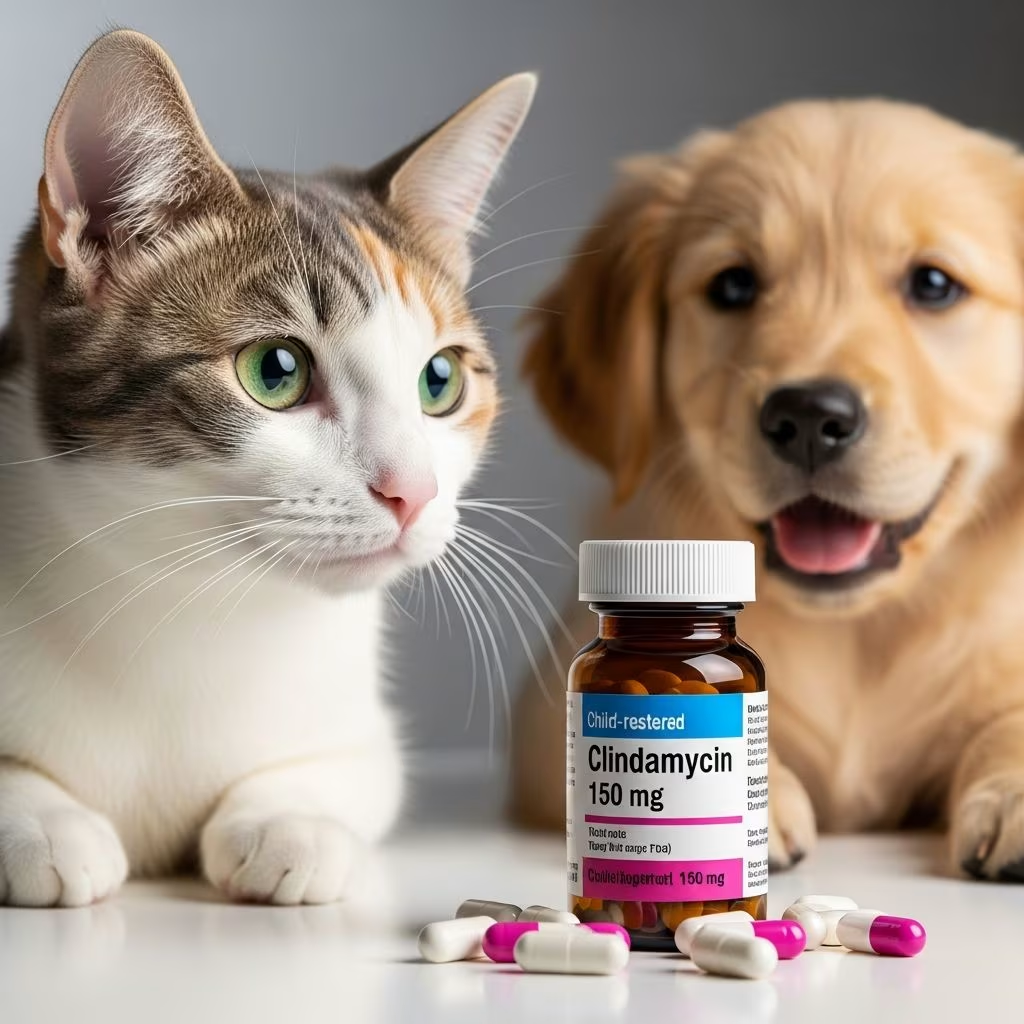
Understanding Clindamycin for Dogs and Cats
Clindamycin, commonly marketed under brand names such as Antirobe® and Cleocin®, is a broad-spectrum antibiotic belonging to the lincosamide medication class. This medication plays a vital role in veterinary medicine, offering effective treatment for various bacterial infections in both dogs and cats. Understanding how clindamycin works, when it should be used, and how to properly administer it can help pet owners ensure their animals receive optimal care when battling bacterial infections.
This antibiotic functions by preventing bacteria from reproducing, which gradually eliminates the infection. At higher dosages, clindamycin can also directly kill bacteria, making it a powerful tool in a veterinarian’s arsenal against bacterial disease. Pet owners should work closely with their veterinarian to determine whether clindamycin is the appropriate choice for their pet’s specific condition.
Common Uses of Clindamycin in Pets
Clindamycin is prescribed for a wide range of bacterial infections in both dogs and cats. Its versatility makes it one of the most commonly recommended antibiotics in veterinary practice.
Primary Indications for Treatment
– Skin infections and pyoderma (bacterial skin disease)- Infected wounds and abscesses- Bone infections (osteomyelitis)- Dental infections and other oral cavity infections- Pneumonia and respiratory infections- Toxoplasmosis (in cats)- Anaerobic bacterial infections (bacteria that thrive without oxygen)
Clindamycin is particularly effective against anaerobic bacteria, which are organisms that grow in environments without oxygen. These bacteria are commonly found in deep wounds, abscesses, and periodontal disease. The medication’s ability to penetrate bone tissue makes it especially valuable for treating osteomyelitis, a serious bone infection that can be difficult to manage with other antibiotics.
Limitations and Ineffectiveness
It is important to note that clindamycin is not effective against certain types of infections. The medication does not work against parasitic infections such as intestinal worms or mites, nor does it treat viral or fungal infections. Veterinarians must perform appropriate diagnostic testing to confirm a bacterial infection before prescribing clindamycin.
Dosage Guidelines for Dogs
The proper dosage of clindamycin is essential for ensuring therapeutic effectiveness while minimizing the risk of adverse effects. Dosing must be carefully calculated based on the pet’s weight and the specific condition being treated.
Standard Dosing for Dogs
– Oral administration: 5 mg per pound (11 mg/kg) every 12 hours, or 10 mg per pound (22 mg/kg) every 24 hours- Range: 5.5 to 33 mg per kg of body weight every 12 hours, depending on infection severity- Dental infections: 2.5 to 15 mg/lb (5.5 to 33 mg/kg) every 12 hours for a maximum of 28 days- Bone infections (osteomyelitis): 5 to 15 mg/lb every 12 hours for a minimum of 28 days
For example, a 50-pound dog with a skin infection might receive 250 mg (5 mg × 50 lbs) every 12 hours, while a dog with a bone infection might require a higher dose of 750 mg (15 mg × 50 lbs) every 12 hours. The duration of treatment varies based on the infection type and the pet’s response to therapy.
Dosage Guidelines for Cats
Cats typically require lower doses of clindamycin compared to dogs, though the dosing range can be quite broad depending on the infection severity.
Standard Dosing for Cats
– Range: 2.5 mg per pound (5.5 mg/kg) every 12 hours to 10 mg per pound (22 mg/kg) every 24 hours- Recommended daily dose: 5 to 15 mg/lb daily (11 to 33 mg/kg daily)- Infected wounds and dental infections: 5 to 15 mg/lb once every 24 hours
Feline patients may show different absorption and elimination rates compared to dogs. The elimination half-life of clindamycin in cats is approximately 7.5 hours, compared to 5 hours in dogs. This difference may influence how frequently doses are administered and how quickly therapeutic levels are achieved.
Available Formulations and Administration
Clindamycin is available in multiple formulations to accommodate different pet needs and veterinary preferences.
Medication Forms
– Tablets- Capsules- Flavored oral liquid (ANTIROBE AQUADROPS)- Flavored chews- Injectable formulations (intravenous or subcutaneous)
Proper Administration Technique
The method of administration is critical for preventing serious complications. Clindamycin pills should always be given with a small amount of water immediately after administration. This practice is essential to prevent esophageal injury, which can occur when a dry pill remains lodged in the esophagus. In severe cases, this complication can lead to scarring and permanent restriction of the esophagus, affecting the pet’s ability to swallow properly.
Alternatively, giving clindamycin with food can also help minimize esophageal irritation. Some veterinarians recommend following the pill with a small treat or meal to ensure it travels to the stomach rather than remaining in the esophagus.
Absorption and Pharmacokinetics
Understanding how clindamycin is processed by the body helps explain why proper dosing and administration are so important.
Clindamycin is rapidly absorbed from the gastrointestinal tract following oral administration. Peak serum concentration levels are reached approximately 75 minutes to 1 hour and 15 minutes after oral dosing in dogs. Therapeutic serum levels of at least 0.5 µg/mL can be maintained with oral doses as low as 2.5 mg/lb given every 12 hours.
The elimination half-life in dogs averages approximately 5 hours, while in cats it is approximately 7.5 hours. This extended half-life in cats means the medication remains active in their system longer, allowing for potentially less frequent dosing in some cases. There is minimal to no bioactivity accumulation after multiple doses in healthy animals, indicating the medication is efficiently eliminated from the body.
Potential Side Effects
While clindamycin is generally well tolerated by most pets, some animals may experience adverse effects during treatment.
Common Side Effects
– Vomiting- Diarrhea- Loss of appetite- Gastrointestinal upset
These gastrointestinal effects are the most frequently reported side effects and are typically mild. They often resolve without intervention once treatment is completed.
Serious Side Effects
While rare, serious complications can occur:
– Esophageal injury: Inflammation, scarring, and potential stricture formation if the pill is not followed by water- Severe allergic reactions: Including anaphylaxis (though uncommon)- Colitis: Inflammation of the colon can occur with certain antibiotics
Pets experiencing severe vomiting, difficulty swallowing, severe diarrhea, or signs of an allergic reaction should receive immediate veterinary attention. Pet owners should contact their veterinarian if side effects are severe or persistent.
Missed Doses and Overdose Precautions
Proper medication management is crucial for successful treatment outcomes.
If a Dose is Missed
If a dose of clindamycin is forgotten, administer it as soon as possible. However, if the time for the next scheduled dose is approaching (typically within a few hours), skip the missed dose and resume the regular dosing schedule. Never give a double dose to compensate for a missed dose, as this can result in toxicity and cause harm to your pet.
Completing the Full Course
Even if your pet appears to be feeling better, it is essential to complete the entire prescribed course of clindamycin unless specifically directed otherwise by your veterinarian. Prematurely stopping treatment can result in relapse of the infection or the development of antibiotic-resistant bacteria. Antibiotic resistance is a growing concern in veterinary medicine, and completing full treatment courses is one way pet owners can help prevent this serious problem.
Duration of Treatment
The length of clindamycin therapy depends on several factors, including the type of infection, severity, response to treatment, and development of any adverse effects.
– Dental and wound infections: Typically 7-28 days- Bone infections (osteomyelitis): Minimum of 28 days, sometimes longer depending on response- Other bacterial infections: Duration varies based on clinical response
Your veterinarian will determine the appropriate treatment duration for your specific pet. Some infections require extended therapy to ensure complete eradication of the pathogenic bacteria.
Storage and Stability
Proper storage ensures the medication maintains its potency throughout the treatment course. Clindamycin should be stored at room temperature in a dry location away from direct sunlight. Keep the medication in its original container and away from moisture and extreme temperatures.
Frequently Asked Questions About Clindamycin
Q: Can I give clindamycin with food?
A: Yes, giving clindamycin with food is actually recommended as it helps minimize esophageal irritation. Always follow the pill with water or a small meal to ensure it reaches the stomach.
Q: How long does it take for clindamycin to work?
A: Peak serum levels are reached within 1-1.25 hours after oral administration. However, clinical improvement in symptoms may take several days to weeks depending on the infection type and severity.
Q: Is clindamycin safe for pregnant pets?
A: Safety in gestating bitches or breeding males has not been definitively established. Your veterinarian should be informed if your pet is pregnant or you are planning to breed your animal before starting clindamycin.
Q: What should I do if my pet experiences severe diarrhea on clindamycin?
A: Severe or persistent diarrhea should be reported to your veterinarian immediately. While mild gastrointestinal upset is common, severe cases may indicate a more serious condition and warrant discontinuation or adjustment of the medication.
Q: Can clindamycin be used for viral or fungal infections?
A: No, clindamycin is only effective against bacterial infections. It will not treat viral, fungal, or parasitic infections. Proper diagnosis is essential before starting treatment.
Q: How do I know if clindamycin is working?
A: Your veterinarian will monitor your pet’s response to therapy. Signs of improvement may include reduced swelling at infection sites, improved appetite, increased energy, and resolution of clinical symptoms. If no improvement is seen within the expected timeframe, your veterinarian may recommend alternative treatments.
References
- Clindamycin (Antirobe®, Cleocin®) for Dogs and Cats — PetPlace. Accessed November 28, 2025. https://www.petplace.com/article/drug-library/drug-library/library/clindamycin-antirobe-cleocin-for-dogs-and-cats
- Clindamycin for Dogs: Uses, Dosage, Side Effects — GoodRx. Accessed November 28, 2025. https://www.goodrx.com/pet-health/dog/clindamycin-for-dogs
- Dosages of Lincosamides — Merck Veterinary Manual. Accessed November 28, 2025. https://www.merckvetmanual.com/multimedia/table/dosages-of-lincosamides
- Antirobe® Clindamycin Capsules (Clindamycin Hydrochloride) — FDA DailyMed. Accessed November 28, 2025. https://dailymed.nlm.nih.gov/dailymed/fda/fdaDrugXsl.cfm?setid=39c00714-331d-49b1-a675-653b82b10c98
- Clindamycin Use for Periodontal Disease in Dogs — Veterinary Medicine. April 2017. https://vetmeds.org/wp-content/uploads/2017/06/April-2017-Vet-Talk.pdf



