
Clicker Training for Dogs
Unlock your dog's potential with clicker training: a science-backed method for precise, positive reinforcement and faster learning.
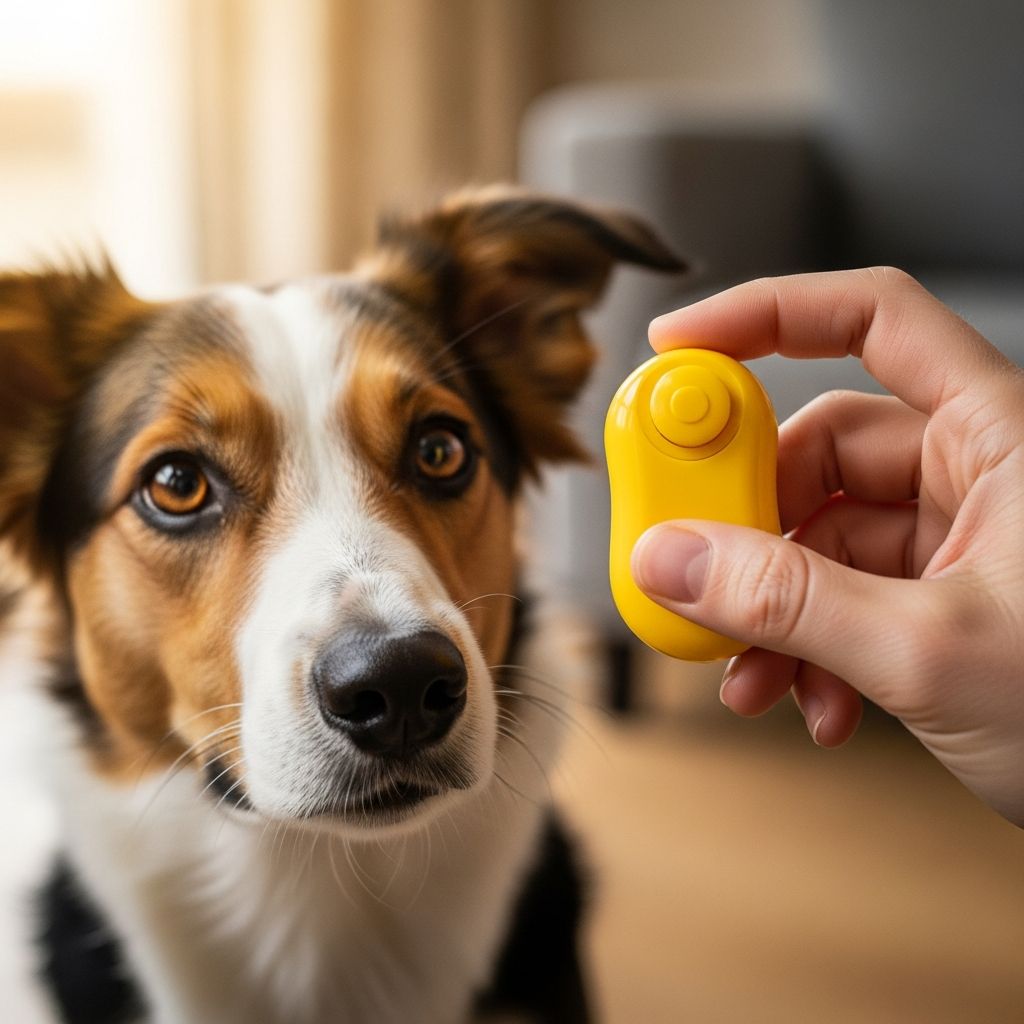
Clicker training represents a transformative approach to teaching dogs new behaviors through precise positive reinforcement. By pairing a distinct clicking sound with rewards, owners can mark exact moments of desired actions, leading to quicker comprehension and enthusiastic participation from their pets.
Understanding the Fundamentals of Clicker Training
At its core, clicker training relies on operant conditioning, where the click serves as a secondary reinforcer. This method, popularized in animal training, allows handlers to communicate instantly when a dog performs correctly, bridging the gap between action and reward more effectively than verbal praise alone.
The clicker, a small handheld device producing a sharp, consistent sound, becomes meaningful only after repeated association with treats. This “charging” process conditions the dog to anticipate a reward upon hearing the click, making it a powerful tool for shaping complex behaviors.
Key Benefits for Dogs and Owners
- Precision Timing: The click pinpoints the exact behavior, avoiding confusion from delayed rewards.
- Positive Focus: Emphasizes rewarding good actions rather than punishing mistakes, building confidence.
- Versatility: Suitable for puppies, adults, rescues, and even guide dogs for refining skills.
- Stronger Bonds: Creates joyful learning sessions that enhance the human-canine relationship.
- Efficiency: Short, frequent sessions accelerate learning through neural pathway reinforcement.
Studies and expert observations confirm that dogs trained with markers like clickers show higher motivation and retention rates compared to traditional methods.
Essential Equipment You’ll Need
Starting requires minimal investment: a quality clicker with a clear, two-toned sound; high-value, small treats like chicken bits or soft kibble; and a quiet space. Avoid overusing kibble initially—opt for irresistible rewards to build strong associations.
| Item | Purpose | Tips |
|---|---|---|
| Clicker | Marks behavior | Choose one with adjustable volume for sensitive dogs |
| Treats | Reinforces click | Size of a pea; vary types to maintain interest |
| Treat Pouch | Quick access | Wear on belt for seamless sessions |
| Training Mat | Consistent spot | Optional for stay or relaxation exercises |
Step-by-Step Guide to Get Started
Begin with foundational steps to ensure success. Progress gradually, maintaining patience and consistency.
Step 1: Charge the Clicker
Sit with your dog in a distraction-free area. Click the device and immediately offer a treat—within one second. Repeat 10-20 times per session, 3-5 sessions daily. Watch for ear perking or eager anticipation, signaling the association is forming.
Step 2: Teach Basic Behaviors
Once charged, target simple actions like “sit.” Observe natural occurrences or gently lure with a treat above the nose. Click precisely as the hindquarters lower, then treat. Practice until reliable before adding a verbal cue like “sit”.
Step 3: Introduce Cues
With behaviors consistent (80-90% success), say the cue just before the action, then click and treat only on cued responses. Use hand signals alongside words for multi-sensory learning.
Step 4: Build Duration and Distance
Gradually require longer sits or distance from you. Click for incremental improvements, fostering reliability in varied environments.
Advanced Techniques for Skill Mastery
Move beyond basics with these methods:
- Shaping: Reward successive approximations toward a goal, like paw lifts building to “shake”.
- Capturing: Mark spontaneous good behaviors, such as calm lying down during meals.
- Luring: Guide with a treat to prompt actions, fading the lure over time.
- Chaining: Link behaviors into sequences, like sit-stay-recall, clicking each link.
For loose-leash walking, click slack-leash moments, ignoring pulls to encourage desired positioning.
Common Mistakes and How to Avoid Them
Even experienced trainers falter initially. Here’s how to sidestep pitfalls:
- Timing Errors: Click during, not after, the behavior. Practice with a helper if needed.
- Multiple Clicks: One click per reward instance; multiple treats for exceptional efforts.
- Overlong Sessions: Limit to 5 minutes, 5 times daily for optimal retention.
- Inconsistent Rewards: Always follow clicks with treats to preserve trust.
- Distraction Overload: Progress environments gradually from quiet rooms to parks.
Addressing Challenging Behaviors
Clicker training excels at redirecting issues without confrontation. For jumping, click four-on-the-floor paws. Housetraining? Mark outdoor elimination instantly. Barking reduces by clicking quiet intervals. This proactive stance prevents unwanted habits by filling time with positives.
Tailoring Training to Your Dog’s Age and Breed
Puppies thrive with frequent, playful sessions building focus. Seniors benefit from mental stimulation, easing cognitive decline. High-energy breeds like Border Collies excel in shaping games; hounds may need scent-integrated rewards. Adapt treats and pace to individual motivation levels.
Integrating Clicker with Everyday Life
Weave training into routines: click polite greetings, mat settles during TV time, or crate entries. This seamless approach yields polite, adaptable companions without formal lessons. For service roles, refine precision on targets like doors or stairs.
Fading the Clicker for Long-Term Success
Once behaviors solidify, reduce clicker use, transitioning to verbal praise, petting, or life rewards like walks. Intermittent reinforcement prevents extinction, maintaining responses.
Frequently Asked Questions (FAQs)
Is clicker training suitable for all dogs?
Yes, from rescues to working dogs, its positive nature suits fearful or aggressive pets, reducing stress.
How long until results show?
Basics emerge in days with consistency; complex tricks take weeks.
Can I use my voice instead of a clicker?
A consistent “yes” works, but clickers offer superior precision.
What if my dog fears the clicker?
Start at low volume or use a softer marker like a click pen.
Do I need professional help?
Self-train basics; consult certified trainers for issues.
Conclusion: Empower Your Dog Today
Clicker training fosters not just obedience but a partnership built on mutual understanding. Commit to short daily practices, celebrate progress, and watch your dog flourish.
References
- Clicker Training Basics: 6 Steps — Instructables. 2023-01-15. https://www.instructables.com/Overview-of-training-types/
- Puppy Clicker Training Step-By-Step — Purina. 2024-05-20. https://www.purina.com/articles/dog/puppy/training/puppy-clicker-training
- Mark & Reward Dog Training Using Clickers — American Kennel Club (akc.org). 2024-11-10. https://www.akc.org/expert-advice/training/clicker-training-your-dog-mark-and-reward/
- Fifteen Tips for Getting Started with the Clicker — ClickerTraining.com. 2022-08-05. https://clickertraining.com/15tips/
- How to Clicker Train Your Dog — Endura Flap. 2023-03-12. https://enduraflap.com/blogs/pet-doors/clicker-train-your-dog
- A Step-by-Step Guide to Using the Pro-Training Clicker — StarMark Academy (PDF). 2011-03-01. https://www.starmarkacademy.com/wp-content/uploads/2011/03/Pro-Training-Clicker-Guide-2011.pdf
- Clicker Techniques, Part One: The Power of the Click — Guide Dogs (guidedogs.com). 2024-02-28. https://www.guidedogs.com/resources/client-resources/guide-dog-class-lecture-materials/clicker-techniques-part-one
Similar Articles








Read full bio of medha deb




