

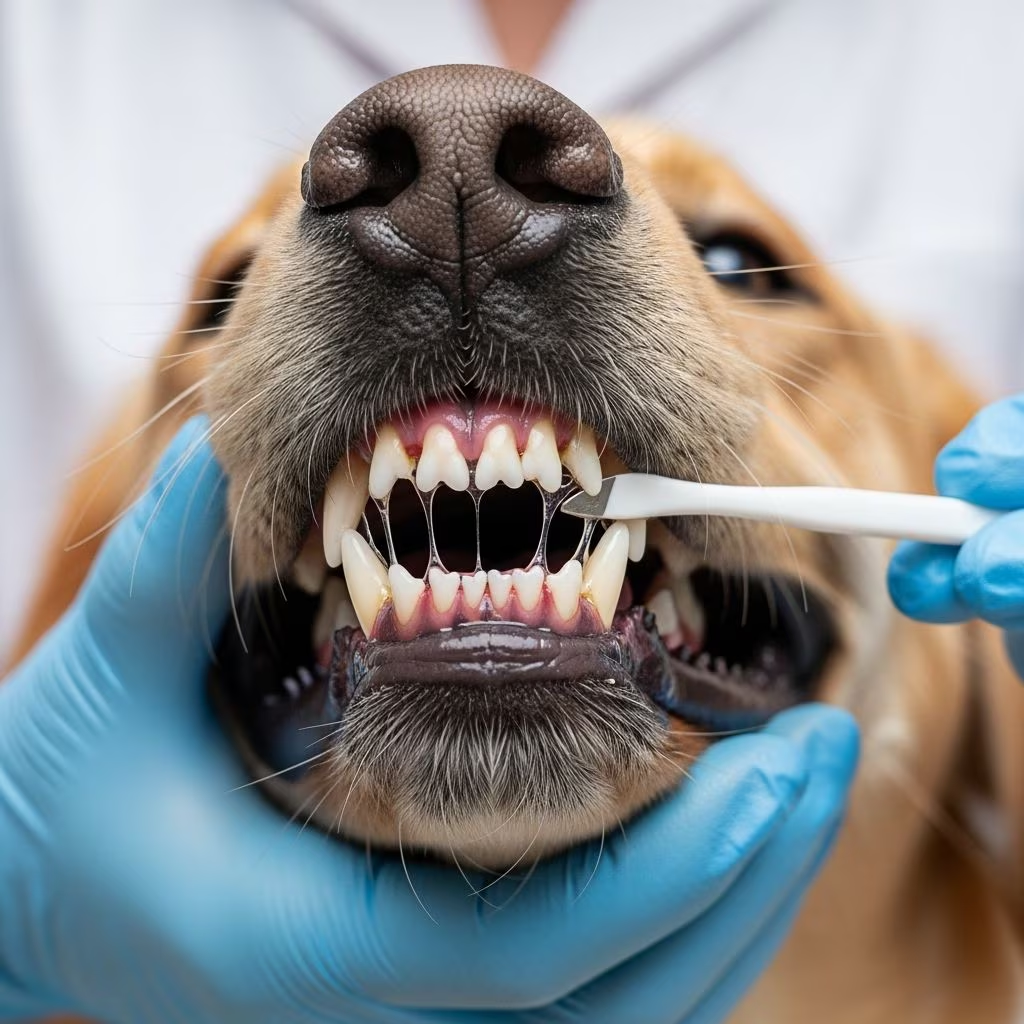
Dogs often develop sticky, gooey buildup in their mouths from plaque, tartar, excessive saliva, or infections. Addressing these issues promptly prevents discomfort, bad breath, and serious health complications like gum disease or systemic infections.
Understanding the Sticky Mess in Your Dog’s Mouth
The \”goo\” in a dog’s mouth typically refers to plaque, tartar, thickened saliva, or inflammatory discharge. Plaque is a soft, sticky film of bacteria that forms on teeth within hours of eating, hardening into tartar if not removed. Excessive saliva, or hypersalivation (ptyalism), can mix with this buildup, creating a slimy mess that leads to foul odors and potential infections.
Common contributors include poor dental hygiene, diet, breed predispositions (like flat-faced dogs), and underlying medical conditions. Regular inspection reveals yellow-brown tartar, red inflamed gums, or drooling beyond normal levels.
Primary Causes of Oral Goo Buildup
Several factors lead to goo accumulation:
- Plaque and Tartar: Bacteria thrive on food particles, producing acids that erode enamel and form sticky layers.
- Hypersalivation: Triggered by nausea, foreign objects, toxins, dental pain, or excitement. Medical issues like kidney failure or gastrointestinal problems exacerbate it.
- Infections: Bacterial overgrowth, fungal stomatitis from Candida, or viral issues like distemper cause inflammation and pus-like discharge.
- Trauma or Irritants: Chewing sharp plants, chemicals, or houseplants like Dieffenbachia leads to sores and excess saliva.
- Salivary Gland Issues: Mucoceles (saliva-filled cysts) or sialadenosis (non-inflammatory swelling) produce gooey leaks or swelling.
Breeds with lip folds, like Bulldogs, trap moisture, fostering bacterial growth and dermatitis.
Signs Your Dog Needs Mouth Goo Intervention
Watch for these red flags:
- Persistent bad breath (halitosis)
- Excessive drooling or pawing at the mouth
- Red, swollen, or bleeding gums
- Difficulty eating or reluctance to chew toys
- Visible tartar, loose teeth, or facial swelling
- Lip smacking, retching, or nasal discharge
If paired with lethargy, weight loss, or vomiting, seek veterinary care immediately, as these signal systemic problems.
Home Strategies for Daily Oral Maintenance
Prevent goo buildup with consistent routines:
- Brushing: Use enzymatic dog toothpaste and a soft brush 3-4 times weekly. Start slowly to build tolerance.
- Dental Chews: VOHC-approved products mechanically scrape plaque.
- Water Additives: Antimicrobial solutions reduce bacteria without brushing.
- Dietary Choices: Kibble designed to scrub teeth; avoid soft, sticky foods.
- Wipe Rags: Daily gauze wipes on gums and teeth for quick cleanups.
For lip folds, clean daily with benzoyl peroxide shampoo and dry thoroughly.
| Method | Frequency | Benefits |
|---|---|---|
| Brushing | 3-4x/week | Removes 70-80% plaque |
| Chews | Daily | Reduces tartar by 50% |
| Additives | Daily | Antibacterial action |
Advanced Cleaning Techniques
Professional dental cleanings under anesthesia scale tartar below the gumline, polish teeth, and extract damaged ones. Frequency depends on risk: high-risk dogs (small breeds, seniors) need annual procedures.
For stubborn goo, vets apply fluoride sealants or prescribe prescription diets. Home irrigation tools flush debris but require training to avoid injury.
Treating Excessive Saliva and Related Goo
Hypersalivation demands root-cause diagnosis. Remove foreign objects like sticks or bones endoscopically if needed.
For infections, antibiotics target bacteria; antifungals combat Candida overgrowth, often linked to immunosuppression.
Salivary mucoceles require surgical gland removal to prevent recurrence and airway risks. Sialadenosis responds to neurologic medications.
Health Risks of Ignoring Mouth Goo
Untreated goo leads to periodontitis, tooth loss, and bacteria entering the bloodstream, causing heart, liver, or kidney damage. Dogs swallow bacteria daily, risking GI upset.
Human risks from dog saliva include Capnocytophaga infections, especially post-bites or licks on open wounds. Immunocompromised individuals face sepsis, with 24-30% fatality rates despite antibiotics.
Up to 74% of dogs carry Capnocytophaga harmlessly, but it evades human immunity.
Veterinary Diagnostics for Goo Issues
Exams include oral inspection, radiographs for hidden abscesses, bloodwork for systemic disease, and cultures for infections.
Biopsies rule out cancer or immune disorders. Salivary function tests assess xerostomia (dry mouth).
Prevention Blueprint for a Goo-Free Mouth
- Annual vet dental checks.
- Daily hygiene integration.
- Monitor diet and chews.
- Track symptoms via journal.
- Breed-specific care (e.g., fold cleaning).
Puppies benefit from early training; seniors need gentler tools.
FAQs on Dog Mouth Goo
What causes sudden gooey drooling?
Foreign bodies, nausea, heatstroke, or pain. Vet evaluation rules out emergencies.
Is dog saliva safe for wounds?
Antibacterial peptides aid minor healing, but bacteria risk infection. Bandage and consult vet.
How often should I clean my dog’s teeth?
Brush 3-4 times weekly; professional every 6-12 months based on risk.
Can diet fix oral goo?
Dental diets reduce plaque by 30-50%, but combine with brushing for best results.
What if goo persists after home care?
Schedule a vet visit for anesthesia cleaning or medical therapy.
Product Recommendations Table
| Category | Examples | Key Features |
|---|---|---|
| Toothpaste | Enzymatic poultry flavor | Plaque-dissolving enzymes |
| Chews | VOHC-approved rawhide alternatives | Tartar reduction |
| Additives | Oral rinses | Daily bacteria control |
| Brushes | Finger brushes | Gentle on gums |
Maintaining your dog’s oral health prevents goo-related issues, ensuring a happier, healthier companion. Consistent care yields long-term benefits.
References
- Disorders of the Mouth in Dogs — Merck Veterinary Manual. 2023. https://www.merckvetmanual.com/dog-owners/digestive-disorders-of-dogs/disorders-of-the-mouth-in-dogs
- Canine Saliva as a Possible Source of Antimicrobial Resistance — PMC (NCBI). 2022-11-28. https://pmc.ncbi.nlm.nih.gov/articles/PMC9686479/
- Capnocytophaga canimorsus from Dog Saliva Exposure Causing Septic Shock — PMC (NCBI). 2024. https://pmc.ncbi.nlm.nih.gov/articles/PMC12035970/
- About Capnocytophaga — Centers for Disease Control and Prevention (CDC). 2024. https://www.cdc.gov/capnocytophaga/about/index.html
- Dog Saliva: 9 Facts You Should Know — PetMD. 2023. https://www.petmd.com/dog/general-health/dog-saliva-9-fast-facts-you-should-know



