

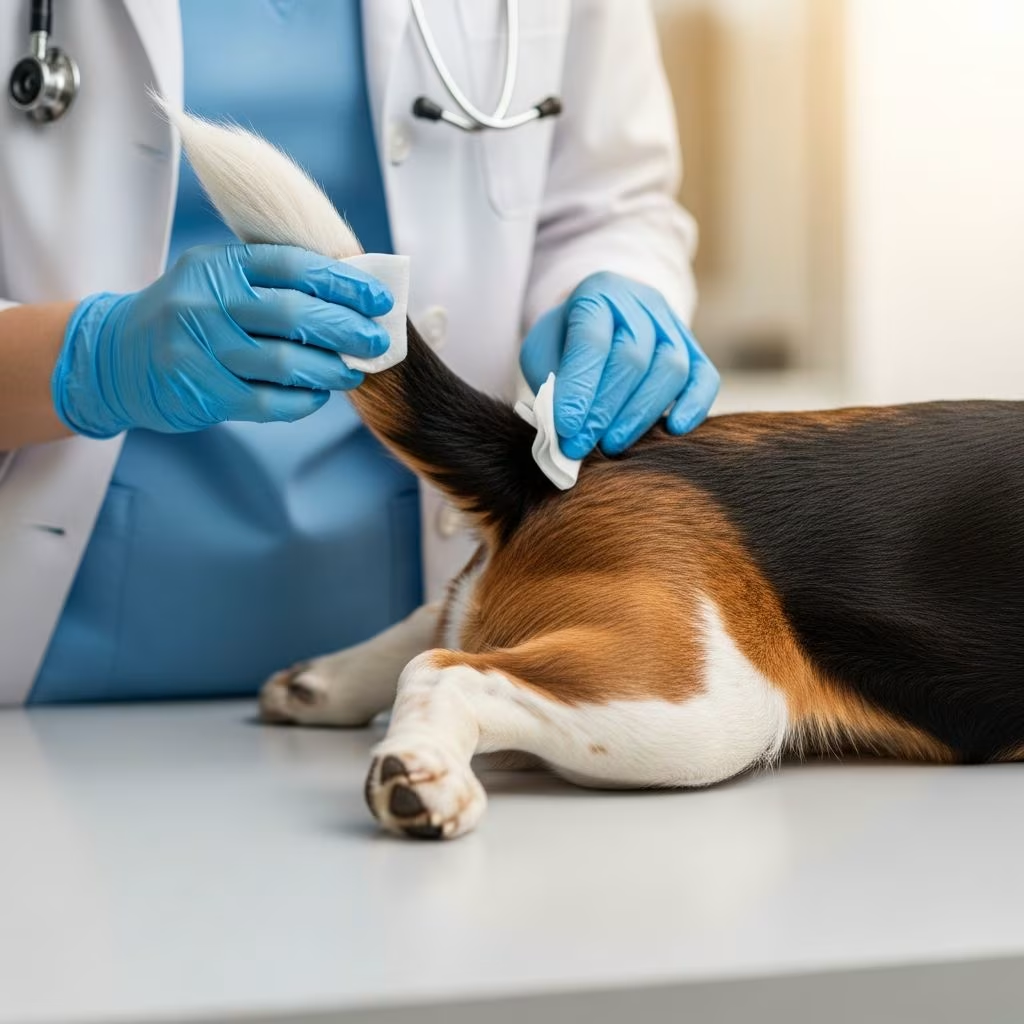
Hardened stool lodged near a dog’s anus is a common yet distressing issue for pet owners. This condition, often stemming from constipation, can cause significant discomfort, straining, and even pain for your furry companion. Prompt action is essential to alleviate suffering and prevent complications like infections or anal gland problems. This comprehensive guide draws from veterinary expertise to outline recognition, safe removal techniques, underlying causes, treatments, and proactive prevention measures.
Recognizing the Signs of Fecal Impaction in Dogs
Fecal impaction occurs when dry, hard stool becomes lodged in the rectum or around the anus, making defecation difficult or impossible. Early detection allows for simpler resolution. Watch for these key indicators:
- Repeated straining without producing stool, often accompanied by whining or restlessness.
- Visible hard, dry feces protruding from or matted around the anal area.
- A distended or swollen abdomen due to backed-up waste.
- Lethargy, loss of appetite, or vomiting as the condition worsens.
- Scooting across the floor or excessive licking of the rear to relieve irritation.
If these symptoms persist beyond 24-48 hours, professional veterinary intervention is crucial to avoid escalation.
Why Does Hard Stool Get Stuck in Dogs?
Understanding the root causes empowers owners to address and prevent recurrence. Constipation leading to impaction typically arises from:
- Dehydration: Insufficient water intake hardens stool, reducing its moisture content and mobility.
- Dietary Issues: Low-fiber diets, sudden food changes, or indigestible items like bones contribute to firm stools.
- Lack of Exercise: Sedentary lifestyles slow intestinal motility, allowing stool to compact.
- Medical Factors: Conditions such as anal gland disorders, prostate enlargement in males, tumors, or neurological issues impair normal defecation.
- Medications or Parasites: Certain drugs or worm infestations can disrupt gut function.
Puppies, seniors, and large breeds are particularly susceptible due to immature digestive systems, age-related slowdowns, or physical strain.
Safe At-Home Strategies for Initial Relief
Before attempting any manipulation, ensure your dog’s comfort and safety. Never force removal if the dog is in pain, as this risks injury. Start with gentle, non-invasive approaches:
Increase Hydration
Dehydration is a primary culprit. Encourage drinking by adding low-sodium broth to water or offering wet food. Filtered water may appeal more than tap.
Boost Fiber Intake
Fiber absorbs water, softening stool. Safe additions include:
| Remedy | Dosage Guideline | Benefits |
|---|---|---|
| Canned Pumpkin (plain, not pie filling) | 1 tsp per 10 lbs body weight, mixed in food | High soluble fiber and moisture; aids regularity. |
| Psyllium (e.g., Metamucil, unflavored) | 1/2 tsp per 10 lbs, with plenty of water | Bulks stool gently; consult vet first. |
| Wheat Bran | 1 tsp sprinkled on food | Insoluble fiber promotes movement. |
Monitor for diarrhea, indicating excess.
Exercise and Massage
A brisk 20-30 minute walk stimulates peristalsis. Gently massage the abdomen clockwise to encourage passage, avoiding direct anal pressure.
Natural Lubricants
A teaspoon of coconut or olive oil in food acts as a mild laxative, lubricating the tract without toxicity risks.
These steps often resolve mild cases within 24 hours. If no improvement, halt and contact a vet.
Professional Veterinary Interventions
For stubborn impactions, vets employ targeted methods. Expect diagnostics like physical exams, X-rays, or bloodwork to identify causes.
- Manual Extraction: Under sedation, a gloved finger dislodges feces safely. Common and effective for accessible buildup.
- Enemas: Warm saline or lubricant solutions administered rectally by professionals flush out blockages. Home enemas risk perforation or electrolyte imbalance—never attempt.
- Medications: Laxatives like polyethylene glycol (PEG 3350) or dioctyl sodium sulfosuccinate (DSS) soften stool. Intestinal stimulants (e.g., cisapride) enhance motility post-obstruction check.
- Fluid Therapy: IV or subcutaneous fluids rehydrate severe cases.
- Surgery: Rare, for obstructions or megacolon involving colon resection.
Hospitalization may be needed for monitoring.
Addressing Underlying Health Issues
Treatment targets causes:
- Deworming: Parasites like roundworms contribute; pyrantel pamoate clears them.
- Probiotics: Restore gut flora (e.g., FortiFlora) post-resolution.
- Prescription Diets: High-fiber formulas like Hill’s Gastrointestinal Biome support long-term health.
- Anal Gland Expression: Vets manually release impacted glands if involved.
Seniors or chronic cases may require ongoing supplements like psyllium.
Preventing Future Episodes of Stuck Stool
Proactive habits maintain smooth digestion:
- Consistent high-quality, fiber-rich diet with ample moisture.
- Unlimited fresh water access; consider fountains for appeal.
- Daily exercise tailored to age and breed.
- Regular vet checkups for early detection of issues like hypothyroidism or tumors.
- Avoid bones, rawhides, or foreign objects that bind stool.
Track bowel habits; normal frequency is 1-2 times daily, varying by diet and size.
Potential Complications and When to Seek Emergency Care
Untreated impaction risks obstipation (complete blockage), toxicity, or rectal tears. Red flags include:
- Bloody stool or prolapse.
- Extreme lethargy, collapse, or fever.
- No defecation >72 hours with straining.
Rush to an emergency vet; delays can be life-threatening.
FAQs on Dog Fecal Impaction
Q: Can I use human laxatives for my dog?
A: No—many are toxic. Only vet-prescribed options are safe.
Q: How long before constipation becomes dangerous?
A: 48-72 hours warrants a vet visit; sooner for puppies/seniors.
Q: Is milk helpful for constipated dogs?
A: Small amounts of goat/cow milk may aid due to lactose, but avoid in lactose-intolerant dogs to prevent diarrhea.
Q: Does apple cider vinegar work?
A: A teaspoon in food may mildly help via acidity, but evidence is anecdotal—vet approval needed.
Q: What about yogurt or probiotics?
A: Plain Greek yogurt or vet-recommended probiotics support gut health effectively.
Long-Term Digestive Wellness for Your Dog
Beyond acute fixes, foster resilience with routine weigh-ins, dental checks (as poor oral health links to gut issues), and stress reduction. Behavioral training curbs psychogenic constipation from anxiety. By integrating these practices, your dog enjoys pain-free, regular bowel movements, enhancing overall vitality.
References
- Constipation in Dogs — VCA Animal Hospitals. 2023. https://vcahospitals.com/know-your-pet/constipation-in-dogs
- How to Treat Constipation in Dogs — Pico Rivera Veterinary Specialists. 2023-03-15. https://www.picoriveravet.com/site/blog/2023/03/15/treat-constipation-dogs
- Dog Constipation: Treatment and When To Call Your Vet — PetMD. 2023. https://www.petmd.com/dog/symptoms/dog-constipation
- Why is My Dog Constipated & What to Do — Rancho Cucamonga Veterinary Hospital. 2023-09-15. https://www.ranchovet.com/site/blog/2023/09/15/dog-constipated–what-to-do
- 10 Home Remedies for Dog Constipation — Wedgewood Pharmacy. 2023. https://www.wedgewood.com/blog/10-home-remedies-for-dog-constipation/
- Home Remedies for Dog Constipation — AKC Pet Insurance. 2023. https://www.akcpetinsurance.com/blog/home-remedies-for-dog-constipation



