

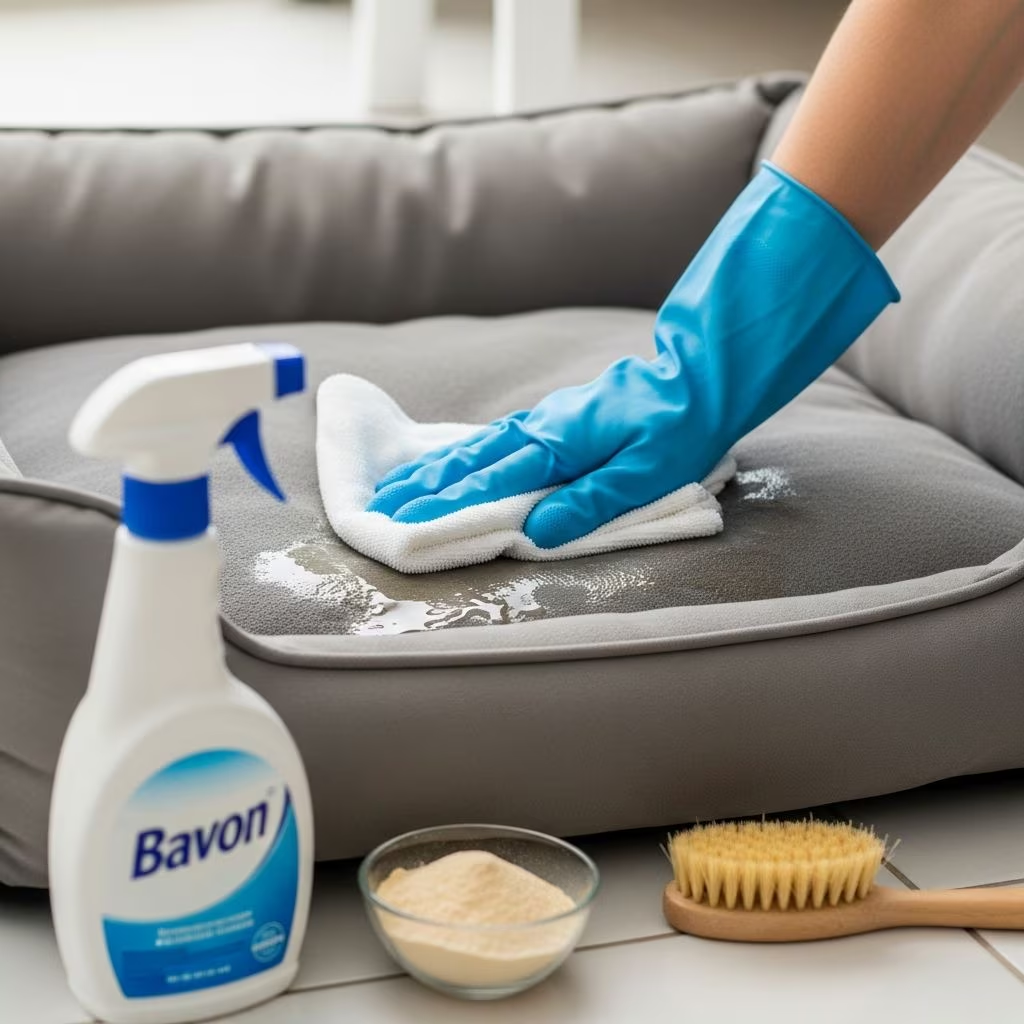
Dog beds often bear the brunt of accidents, leaving behind stubborn urine stains and persistent odors that can make your home unpleasant. Acting quickly with the right techniques ensures thorough removal of urine from various bed materials, preventing bacterial growth and recurring smells. This guide provides detailed, practical steps tailored to different bed types, drawing on reliable cleaning principles to keep your pet’s sleeping area spotless and safe.
Why Urine Cleanup Matters for Pet Health and Home Comfort
Urine contains uric acid crystals that embed deeply into fabrics and foam, fostering bacteria and mold if not addressed promptly. Delaying cleanup allows odors to intensify and stains to set, potentially irritating your dog’s skin or respiratory system. Regular maintenance also extends the bed’s lifespan, avoiding costly replacements. Fresh urine is easiest to handle, so immediate action minimizes penetration into porous materials like memory foam.
Essential Tools and Materials for Effective Cleaning
Stock up on these items before starting to streamline the process:
- Absorbent cloths or paper towels for initial blotting
- White vinegar, baking soda, and mild pet-safe detergent
- Spray bottle for solution application
- Vacuum with upholstery attachment
- Enzyme-based pet cleaner for tough odors
- Fans or dehumidifier for drying
These household staples neutralize acids, absorb moisture, and eliminate organic residues without harsh chemicals that could harm pets.
Immediate Response: Handling Fresh Urine Spots
The first step is always blotting to extract as much liquid as possible. Place thick layers of paper towels or cloths over the spot and press firmly—standing on them briefly accelerates absorption. Avoid rubbing, which pushes urine deeper. Replace saturated towels until no more liquid transfers, then lightly rinse with cool water and blot again. This prevents the urine from soaking into the bed’s core.
Custom Cleaning Methods by Dog Bed Material
Dog beds vary in construction, requiring adapted approaches to avoid damage.
Foam and Memory Foam Beds
Foam absorbs urine rapidly, so focus on minimal wetting. After blotting, mix equal parts white vinegar and warm water in a spray bottle. Mist the area generously but avoid soaking, letting it sit 10-15 minutes to dissolve crystals. Blot dry, then sprinkle baking soda liberally and allow it to dwell overnight. Vacuum thoroughly the next day. For persistent smells, apply an enzyme cleaner, wait 15 minutes, and blot. Air dry with fans for 24 hours to prevent mold.
Fabric and Removable Cover Beds
Separate the cover if possible and machine-wash on a gentle cycle with pet-safe detergent. For the inner mattress, follow the foam method but test vinegar on a hidden spot first. Springs in some beds allow better airflow, shortening dry times to 12 hours. Always check care labels to confirm washability.
| Bed Type | Best Initial Solution | Drying Time | Key Caution |
|---|---|---|---|
| Foam/Memory Foam | Vinegar spray + baking soda | 24 hours | Avoid over-wetting |
| Fabric Cover | Pet detergent wash | 12-24 hours | Check label |
| Spring Core | Enzyme + vacuum | 12 hours | Ensure ventilation |
Non-Removable or Bolstered Beds
For beds with sewn-in cushions, spot-treat sections individually. Use a stiff brush to work baking soda into crevices after spraying, then vacuum. Enzyme cleaners excel here, breaking down proteins in crevices where odors hide.
Advanced Techniques for Lingering Odors and Stains
If basic steps fail, escalate with targeted treatments. Hydrogen peroxide (3% solution) can lift fresh stains on light fabrics—dab sparingly with a dropper, followed by vinegar to neutralize. Never use on foam, as it may degrade cells. Steam cleaning is counterproductive, as heat bonds uric acid permanently. Instead, repeat enzyme applications, allowing full drying between rounds. For extreme cases, sunlight exposure naturally disinfects and deodorizes after initial treatment.
Prevention Strategies to Minimize Future Accidents
Proactive measures reduce cleanup frequency. Invest in waterproof mattress protectors that zip over the bed, blocking liquids for easy wiping. Train with consistent potty routines and praise, using belly bands for indoor dogs. Designate outdoor relief areas and monitor water intake before bedtime. Regular vacuuming removes dander buildup, which exacerbates odors when wet.
- Weekly spot-checks and baking soda sprinkles maintain freshness
- Water-resistant liners save time and preserve bed integrity
- Behavioral training addresses root causes like anxiety or age-related issues
Safe Drying Practices to Avoid Mold and Damage
Complete dryness is non-negotiable—moist environments breed bacteria. Position beds in sunny, airy spots or use high-velocity fans. Dehumidifiers accelerate the process in humid climates. Test dryness by pressing deep into the foam; it should feel room temperature and neutral-scented. Rushing re-use risks health issues for your pet.
Frequently Asked Questions
How quickly should I clean a fresh urine spot on a dog bed?
Address it within minutes by blotting to limit absorption and odor setting.
Can baking soda alone remove dog urine smells?
It absorbs odors effectively after liquid removal but pair with vinegar or enzymes for complete neutralization.
Is vinegar safe for all dog bed fabrics?
Yes for most, but test on colored materials to prevent fading; dilute further if concerned.
What if the odor returns after cleaning?
Deep urine penetration requires enzyme cleaners, which target uric acid crystals soap misses.
How often should I fully wash a dog bed?
Monthly for light use, bi-weekly for heavy shedders or frequent accidents, always air-drying fully.
Long-Term Maintenance for a Hygienic Pet Space
Beyond spot cleaning, incorporate rotation of beds to distribute wear and full washes seasonally. Use pet-safe sprays weekly for odor control. Monitor for signs of wear like thinning foam, replacing as needed to maintain hygiene. These habits ensure a comfortable, odor-free haven for your furry companion.
References
- How to Clean Urine from Foam Dog Bed: A Comprehensive Guide — UAH Pet. 2023-05-15. https://www.uahpet.com/blogs/post/how-to-clean-urine-from-foam-dog-bed-a-comprehensive-guide
- How to Get Dog Pee Out of Carpet: Smells and Stains on Fabric — American Kennel Club (AKC). 2024-02-10. https://www.akc.org/expert-advice/home-living/dog-urine-stains/
- Cleaning 101: How to Wash a Dog Bed — Wayfair. 2023-11-20. https://www.wayfair.com/sca/ideas-and-advice/organization/cleaning-101-how-to-wash-a-dog-bed-T90
- How To Clean Urine From a Mattress: 7 Steps + Stain Removal Tips — Purple. 2024-08-05. https://purple.com/blog/how-to-clean-pee-mattress
- How to Clean Dog Pee from Bed — FunnyFuzzy. 2023-09-12. https://funnyfuzzy.com/blogs/pet-encyclopedia/how-to-clean-dog-pee-from-bed



