

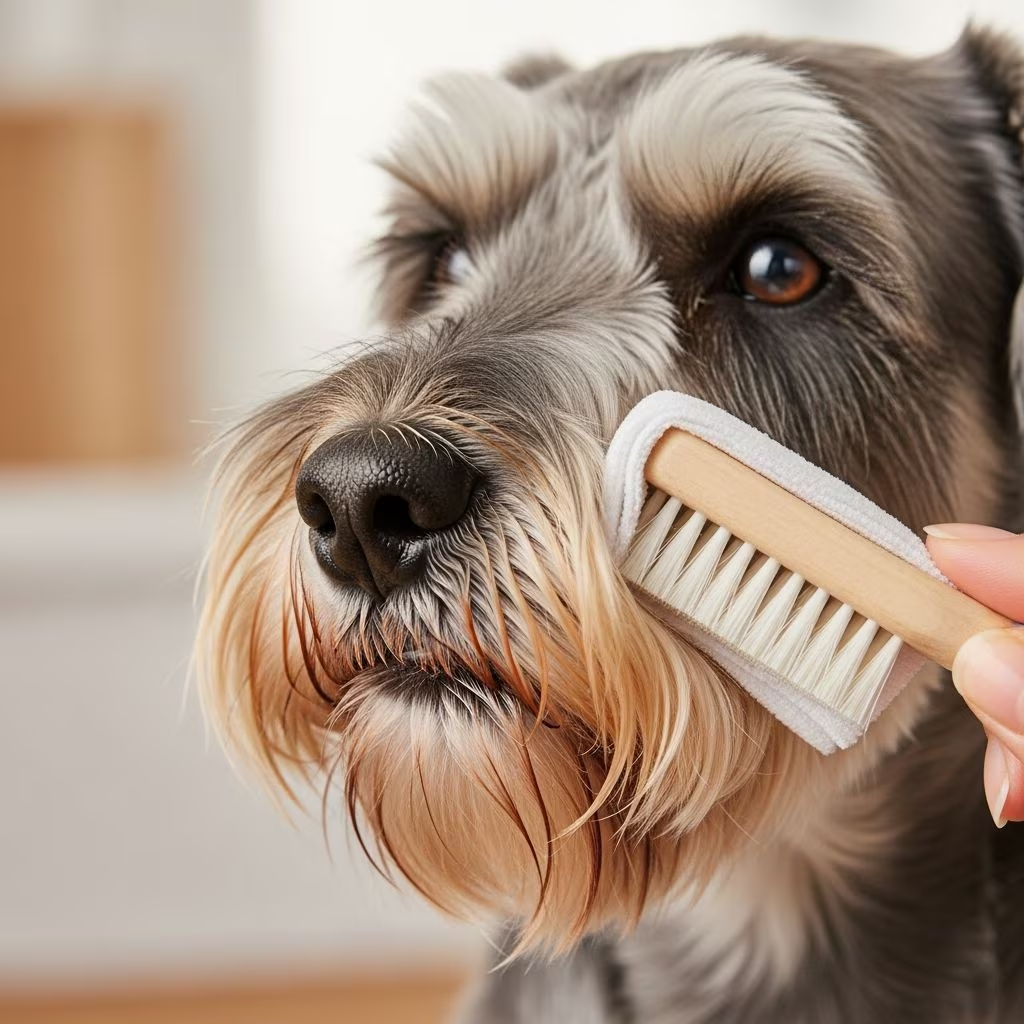
Understanding Dog Beard Stains: Causes and Solutions
Facial stains on dogs, particularly around the beard and muzzle area, are a common concern for pet owners who want to maintain their dog’s appearance. These unsightly reddish or brownish stains often appear on white or light-colored coats and can be challenging to eliminate. Understanding the underlying causes of these stains is the first step toward finding an effective solution that works for your specific dog.
The discoloration typically results from the oxidation of porphyrins, which are naturally occurring compounds in a dog’s tears, saliva, and skin secretions. When these substances come into contact with the hair around the eyes and mouth, they can cause noticeable staining over time. Factors such as diet, water quality, and individual dog genetics can influence the severity of these stains, making some dogs more prone to facial discoloration than others.
Angels’ Eyes: A Proven Solution for Beard Stains
One of the most effective and widely recommended products for addressing facial stains in dogs is Angels’ Eyes. This specialized supplement works by targeting the root cause of staining rather than simply masking the problem. The product contains compounds that bind to the circulating substances responsible for porphyrin staining, preventing them from discoloring the hair.
How to Use Angels’ Eyes Effectively
Angels’ Eyes comes in powdered form and is remarkably easy to incorporate into your dog’s daily routine. Simply sprinkle approximately one teaspoon of the powder onto your dog’s food with every meal. For dogs that are finicky about the taste or refuse to eat their food when the powder is mixed in, you can dissolve it in their water bowl as an alternative administration method.
Results typically become visible within a few weeks of consistent use. Many pet owners report noticing a significant reduction in staining during this timeframe. Once you begin to see improvements, you can reduce the frequency of application to approximately four times per week while maintaining the benefits. This flexible dosing allows you to find the optimal balance between effectiveness and cost.
Complementary Products and Grooming Strategies
While Angels’ Eyes addresses the internal causes of staining, combining it with external care methods produces superior results. Eye Envy, another product from the same manufacturer, offers a comprehensive cleaning kit designed specifically for maintaining facial areas. This kit includes a liquid cleanser, powder treatment, and specialized pads for targeted daily care around the eyes and beard region.
Daily Cleaning Routines
Establishing a consistent daily cleaning regimen helps manage existing stains while preventing new discoloration from setting in. Several effective options are available for maintaining your dog’s beard throughout the day:
Witch Hazel Treatment: A simple daily wash with witch hazel has proven effective for many dog owners. This natural astringent helps cleanse the area without harsh chemicals and can be applied gently with a soft cloth or cotton pad.
Baby Wipes: Fragrance-free Pampers baby wipes have become a favorite among grooming professionals and pet owners alike. These gentle wipes effectively remove daily buildup of saliva and debris from the beard and under-eye areas. Specialized pet wipes are also available on the market as an alternative option.
Whitening Shampoos: Incorporating a whitening dog shampoo into your regular bathing routine significantly enhances the appearance of your dog’s coat and facial hair. When bathing your dog, focus the whitening shampoo on the face and beard area while also washing the entire body. However, exercise caution to prevent the lather from entering your dog’s eyes, as this could cause irritation or create additional complications.
Professional Grooming Integration
Working with your groomer to trim away stained hair allows clean, white hair to grow in its place. This strategic trimming accelerates the overall improvement process. Ask your groomer to focus on removing discolored hair from the beard and facial regions, creating space for fresh, unstained growth to emerge. Combined with internal treatment through Angels’ Eyes and daily external cleaning, this approach produces the most dramatic results.
Grooming Techniques for Beard Maintenance
Basic Beard Trimming Steps
Maintaining a neat and tidy beard requires proper technique and appropriate tools. Begin by thoroughly brushing or combing out the beard hair on the chin area to remove any tangles or mats that could interfere with cutting.
Initial Trimming: Using quality grooming scissors, make straight cuts at your desired length. Continue trimming gradually with the scissors until your dog’s beard achieves the neat, tidy appearance you prefer.
Blending and Refinement: Once satisfied with the overall length, use thinning shears to blend the cut line seamlessly into the face. Apply the thinning shears one snip at a time while gradually moving around the area to create a natural, well-blended appearance rather than a harsh demarcation line.
Removing Loose Hair: Loose hairs tend to remain lodged in the coat after trimming. Use a fine-tooth comb to carefully remove these stray hairs, ensuring a clean, polished final result.
Safety Considerations for Facial Grooming
Grooming the facial area requires extra caution to prevent injury. Always use grooming scissors with rounded ends to protect your dog’s eyes and sensitive skin. Trim carefully around the eye region to avoid any accidental cuts or irritation. When working around the mouth and nose areas, maintain a steady hand and proceed slowly. Never rush the process, as patience significantly reduces the risk of mishaps.
Advanced Beard Grooming Techniques
Creating Different Beard Styles
Different beard styles require slightly different approaches. For a rounded beard appearance, brush all hair forward and trim away more length from the underside. For a more rectangular or squared-off look, trim less from underneath while still performing some blending work for a refined appearance.
The V-Cut Technique: This valuable technique helps manage excessive hair underneath the beard. Pull your dog’s snout upward gently and comb the hair downward against the neck area. Then make a V-shaped cut, which clears significant volume without cutting into the front beard. This method efficiently removes problematic bulk while maintaining the beard’s overall integrity.
The Lip Line Management: Comb all hair away from the lip line, moving hair from the bottom lip downward and from the top lip upward. Using curved shears held backwards so the curved section faces the dog’s face (not the pointed ends), carefully trim along the entire lip line. This technique prevents food and saliva from matting the beard and keeps the mouth area clean and hygienic.
Preventative Measures and Long-Term Care
Dietary Considerations
Nutrition plays a role in coat health and stain prevention. A high-quality diet supports overall skin and hair health. Some pet owners report that certain water types or dietary components can influence staining severity. If your dog experiences significant staining despite proper care, consult your veterinarian about potential dietary adjustments that might help.
Regular Maintenance Schedule
Establishing a consistent grooming schedule prevents stains from becoming deeply embedded in the hair. Weekly grooming sessions with daily cleaning keep the beard area manageable and minimize stain accumulation. Monthly professional grooming helps maintain overall coat health and allows your groomer to monitor and address any emerging issues.
Comparing Stain Management Methods
| Method | Cost Level | Time Commitment | Effectiveness | Best For |
|---|---|---|---|---|
| Angels’ Eyes Supplement | Moderate | Daily feeding | High (internal treatment) | Addressing root cause |
| Daily Wit Hazel Wash | Low | 5 minutes daily | Moderate (maintenance) | Daily upkeep |
| Whitening Shampoo | Moderate | Weekly bathing | Moderate-High | Overall coat brightening |
| Professional Grooming | High | Monthly appointments | High (trimming stained hair) | Immediate improvement |
| Baby Wipes Cleaning | Low | 5 minutes daily | Low-Moderate (temporary) | Quick daily cleaning |
Frequently Asked Questions
Q: How long does it take to see results from Angels’ Eyes?
A: Most dog owners notice visible improvement within a few weeks of consistent daily use. Results continue to improve over time as new, unstained hair grows in to replace discolored hair.
Q: Can I use human whitening products on my dog’s beard?
A: No, always use products specifically formulated for dogs. Human products may contain ingredients that are unsafe for pets if ingested or if they contact the mouth and eyes.
Q: Is it safe to trim my dog’s beard at home?
A: Yes, with proper techniques and appropriate tools. Use rounded-end scissors, work carefully around the eyes and mouth, and consider consulting grooming tutorials or professionals if you’re unsure about proper technique.
Q: What causes beard stains in some dogs but not others?
A: Individual variation in porphyrin production, diet, water quality, and genetics all influence staining severity. Some dogs are naturally more prone to visible facial staining regardless of care.
Q: Can I combine multiple stain-removal methods?
A: Yes, combining methods often produces the best results. Using Angels’ Eyes internally while also doing daily cleaning and professional grooming creates a comprehensive approach to stain management.
Q: How often should I groom my dog’s beard?
A: Weekly maintenance grooming with daily cleaning is ideal. Monthly professional grooming appointments help maintain optimal coat health and address stubborn stains.
Q: Are there any side effects from Angels’ Eyes?
A: Angels’ Eyes is generally well-tolerated by dogs. If your dog experiences any adverse reactions, consult your veterinarian. Some dogs may initially be resistant to the taste, in which case mixing it with water is a good alternative.
References
- Cleaning A Dog’s Beard Stains — Chewy. 2024. https://www.chewy.com/education/dog/grooming/cleaning-a-dogs-beard-stains
- Pet Grooming Guide: Safely Trim Face & Head — Wags 2 Riches Grooming. 2024. https://wags2richesgrooming.com/pet-grooming-guide-safely-trim-face-head/
- American Kennel Club Grooming Standards — The American Kennel Club. 2024. https://www.akc.org/



