

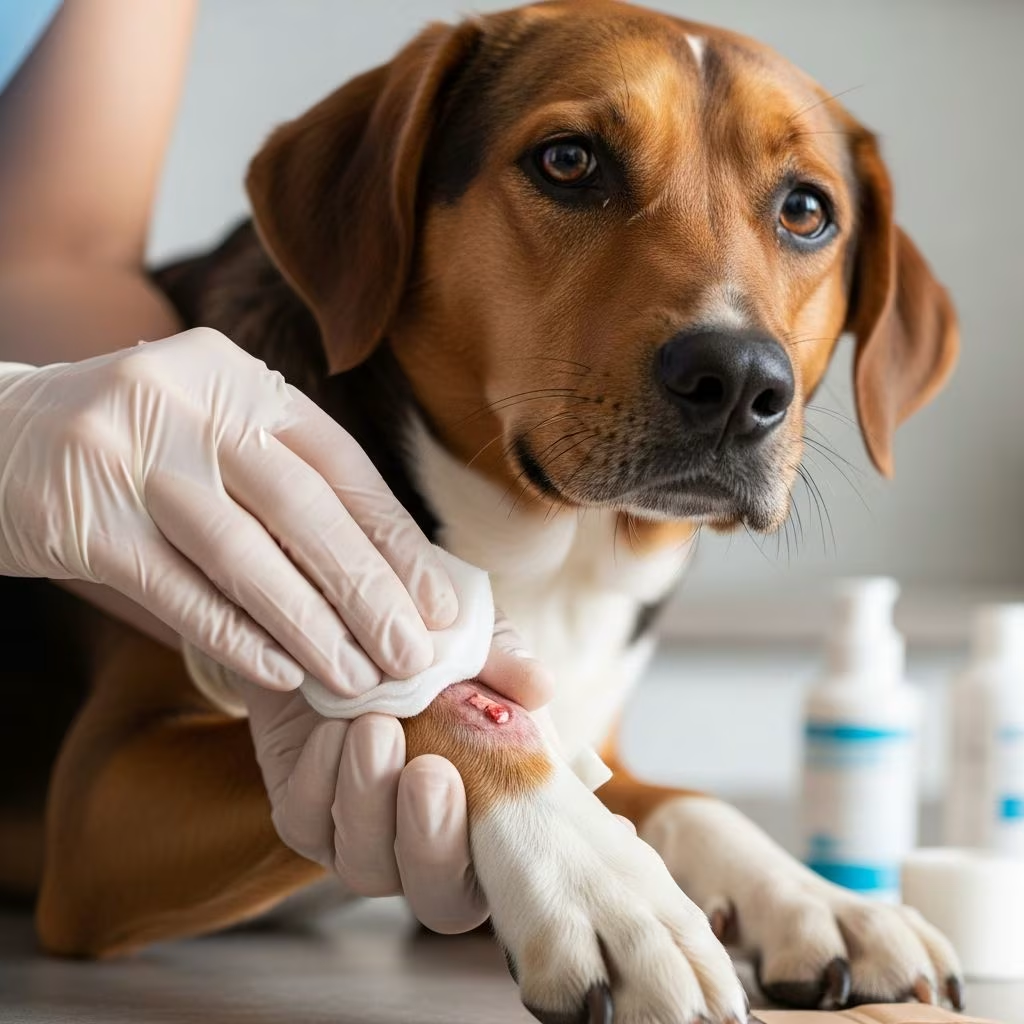
Dogs frequently encounter scrapes, cuts, and punctures during play, walks, or accidents. Knowing how to properly clean these wounds can prevent infections and speed up recovery. This comprehensive guide outlines tools, techniques, and precautions based on veterinary recommendations, empowering pet owners to provide immediate care confidently.
Understanding Types of Dog Wounds
Canine injuries vary in severity and require tailored responses. Superficial abrasions involve only the skin’s outer layer, while deeper lacerations or punctures penetrate muscle or organs. Puncture wounds from bites or sticks pose high infection risks due to embedded bacteria. Recognizing the type guides your initial actions.
- Abrasions: Surface scrapes from rough surfaces like pavement.
- Lacerations: Jagged tears often from sharp objects.
- Punctures: Narrow entries that trap debris internally.
- Burns or hot spots: Inflammatory areas from licking or allergies.
Assess by observing depth, bleeding, and location. Paw pads, legs, and mouths are common sites due to high activity.
Assembling Your Dog Wound Care Kit
A well-stocked first aid kit ensures you’re prepared for minor emergencies. Focus on pet-safe, non-toxic items to avoid further harm.
| Item | Purpose | Key Features |
|---|---|---|
| Pet-safe antimicrobial wipes | Clean minor injuries | Bacteria and fungi prevention |
| Wound spray or ointment | Antibacterial application | Medical-grade honey base |
| Styptic powder | Stop bleeding | Contains numbing agent like benzocaine |
| Gauze pads and bandages | Cover and protect | Sterile, non-stick |
| Blunt-tipped scissors/clippers | Trim fur, cut bandages | Safe for pet skin |
| Disposable gloves | Maintain hygiene | Latex or nitrile |
| Saline solution | Gentle flushing | Homemade: 1 tsp salt per 2 cups water |
Store in a waterproof container accessible at home and in your car. Replace expired items annually.
Step-by-Step Process for Wound Cleaning
Follow this sequence methodically to minimize pain and contamination. Always prioritize safety for both you and your dog.
- Secure and calm your dog: Use a leash or muzzle if needed to prevent bites from pain-induced stress.
- Don disposable gloves: Protects against bacteria transfer.
- Examine the wound: Check for embedded objects like glass or thorns. Remove superficial debris with tweezers; leave deep items for vets.
- Trim surrounding fur: Use clippers to create a 1-2 inch clean margin. Apply lubricant gel first to catch loose hairs.
- Control bleeding: Apply firm pressure with clean gauze for 5-10 minutes. Use styptic powder for nails or small cuts.
- Flush the area: Rinse with warm saline, chlorhexidine (2%), or povidone-iodine solution. Avoid hydrogen peroxide or alcohol, as they damage tissue.
- Clean thoroughly: Gently wipe with antimicrobial wipes or mild soap-water mix. For paws, soak in a bowl.
- Apply treatment: Thin layer of antibiotic ointment or hydrocortisone cream for inflammation.
- Bandage if appropriate: Gauze over ointment, then cotton padding and elastic wrap. Not too tight—check circulation every 15 minutes.
- Prevent licking: Use an e-collar (cone) immediately.
Repeat cleaning 2-3 times daily initially, monitoring progress.
Safe Cleaning Solutions and What to Avoid
Choose gentle antiseptics to flush bacteria without irritating healing tissue. Warm tap water suffices for initial rinses.
- Recommended: Saline (1 tsp salt/Epsom in 500ml water), 2% chlorhexidine, dilute povidone-iodine.
- For paws: Epsom soaks or soapy water baths.
- Avoid: Hydrogen peroxide (delays healing), alcohol (burns tissue), undiluted iodine (toxic).
Near eyes, opt for povidone-iodine to prevent corneal damage.
Signs Your Dog’s Wound Requires Veterinary Attention
Not all injuries heal at home. Escalate if you notice these red flags, indicating infection or deeper damage.
- Persistent bleeding beyond 10 minutes.
- Swelling, redness, or heat increase after 24 hours.
- Pus, foul odor, or excessive discharge.
- Lethargy, fever, or loss of appetite.
- Wound deeper than 1/4 inch, gaping, or exposing fat/muscle.
- Foreign objects deeply embedded.
- Difficulty walking or using the limb.
Seek emergency care for bite wounds, large punctures, or head/chest/abdomen injuries.
Bandaging Techniques for Optimal Healing
Proper bandaging shields the wound while allowing airflow. Change daily first 3 days, then every 2-3.
Layering order:
- Primary: Non-stick gauze with ointment.
- Secondary: Absorbent padding (cotton roll).
- Outer: Conforming gauze or elastic bandage.
Secure without constriction—fingers should slip under easily. For torsos, use stockinette or t-shirts. Remove if wet or soiled.
Post-Care Monitoring and Recovery Timeline
Observe twice daily. Healthy healing shows pink tissue granulation, reduced swelling by day 3-5, and closure by week 1-2 for minors.
Support recovery with:
- Rest in a quiet area.
- Nutrient-rich diet for tissue repair.
- E-collar consistently.
Scar management: Keep moisturized post-healing.
Preventing Future Dog Injuries
Proactive habits reduce risks:
- Regular nail trims to avoid tears.
- Inspect paws after walks.
- Supervise play with other dogs.
- Use booties on rough terrain.
- Train recall to avoid hazards.
Maintain updated vaccines, especially rabies for bite prevention.
Frequently Asked Questions (FAQs)
Can I use human first aid products on my dog?
Stick to pet-specific items. Human Neosporin is okay sparingly, but avoid those with zinc or painkillers toxic to dogs.
How often should I change a bandage?
Daily for first 3 days, then every 2-3 days or if soiled. Always reclean before rebandaging.
What if my dog licks the wound despite the cone?
Try a full-body suit or inflatable collar. Consult vet for anti-lick sprays.
Is honey safe for wounds?
Medical-grade Manuka honey ointments yes, due to antibacterial properties. Never raw honey.
When can my dog resume normal activity?
After full closure and vet approval, typically 7-14 days for minor wounds.
References
- Dog Wound Care: How to Clean and Treat Wounds — PetMD. 2023. https://www.petmd.com/dog/general-health/dog-wound-care-how-to-clean-treat-dog-wounds-at-home
- Care of Open Wounds in Dogs — VCA Animal Hospitals. 2024. https://vcahospitals.com/know-your-pet/care-of-open-wounds-in-dogs
- Complete Guide To Dog Wound Care — PC Companion Vets. 2023-10-15. https://www.pccompanionvets.com/site/blog/2023/10/15/complete-guide-dog-wound-care
- Step-By-Step Wound Care for a Dog at Home — Bond Vet. 2024. https://bondvet.com/blog/step-by-step-wound-care-for-a-dog-at-home-and-when-to-call-the-vet
- Dog Wound Care: Complete Guide — Holland Veterinary Hospital. 2024-03-22. https://www.hollandvethospital.com/site/blog/2024/03/22/dog-wound-care
- Dog Wound Care — Meadow Vista Veterinary. 2023-06-29. https://www.meadowvistavet.com/site/blog/2023/06/29/dog-wound-care



