

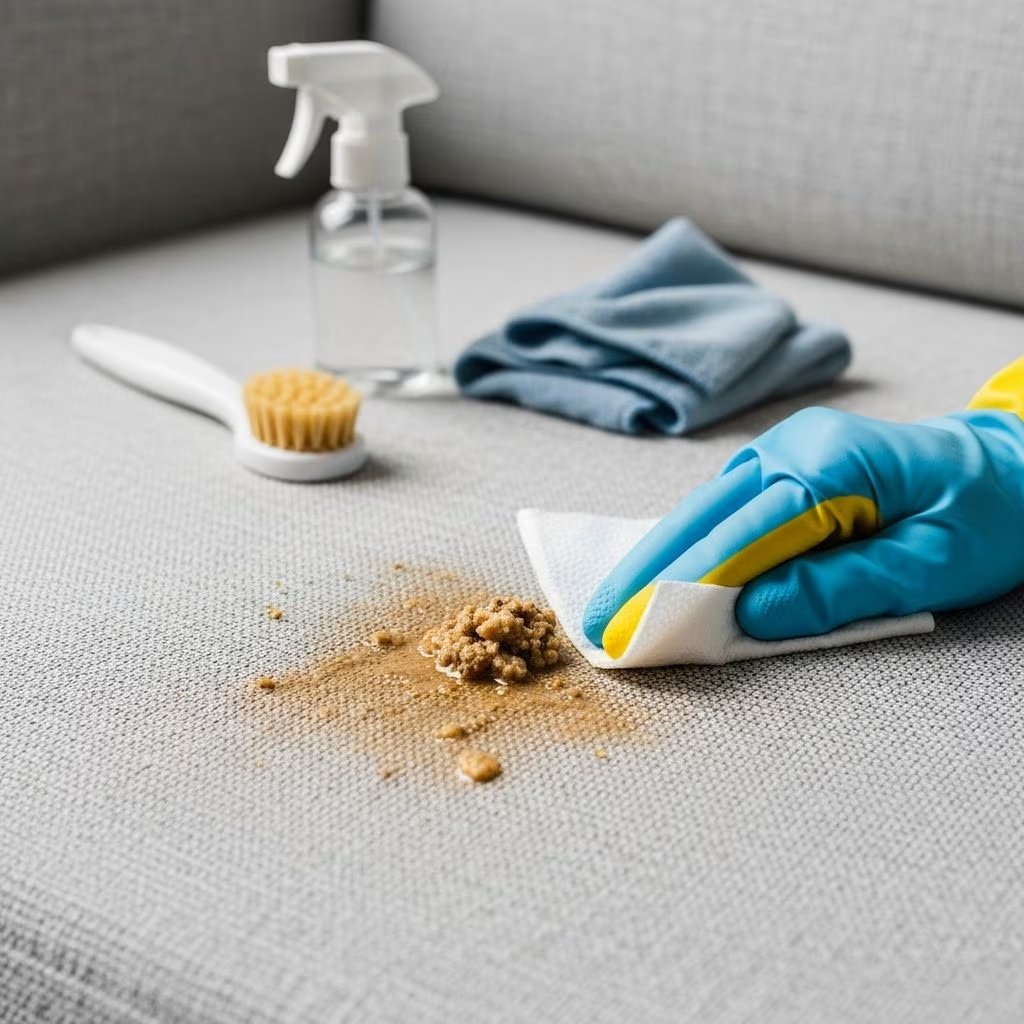
Dealing with dog vomit on your couch can be distressing, but prompt action with the right techniques restores your furniture quickly. This guide provides detailed, safe methods tailored for various upholstery types, ensuring no lasting damage or smells remain.
Why Quick Cleanup Matters for Your Furniture
Dog vomit contains acids and proteins that penetrate fabric fibers rapidly, leading to persistent stains and odors if not addressed immediately. Acting within minutes prevents the mess from setting, protecting your investment in quality upholstery. Fresh incidents are far easier to handle than dried ones, which require more intensive treatments.
Essential Supplies for Effective Cleanup
Gather these items before starting to streamline the process:
- Gloves for protection against bacteria
- Paper towels or microfiber cloths
- Spoon, spatula, or cardboard for scooping
- Enzyme-based pet cleaners
- White vinegar, baking soda, dish soap
- Spray bottle and vacuum cleaner
- Fan or sunlight for drying
Having these ready minimizes spread and contamination.
Step-by-Step Guide for Fresh Vomit Removal
Follow these precise steps for optimal results on fresh messes.
- Scoop Solids Gently: Use a spoon or cardboard to lift chunks without rubbing, disposing in a sealed bag to avoid re-contamination.
- Blot Excess Moisture: Press paper towels firmly to absorb liquids, replacing as they saturate. Avoid wiping to prevent pushing residue deeper.
- Apply Cold Water Rinse: Lightly spray or dab with cold water or club soda to dilute remaining proteins without soaking the cushion.
- Deploy Enzyme Cleaner: Saturate the spot with a pet-specific enzymatic product, allowing 15-20 minutes dwell time to break down organic matter.
- Blot and Extract: Remove cleaner with fresh towels, working from edges inward.
- Deodorize and Dry: Sprinkle baking soda, let sit 30 minutes, then vacuum. Air dry with ventilation.
This sequence, recommended by cleaning professionals, tackles stains at the molecular level.
Handling Stubborn or Dried Vomit Stains
For set-in messes, rehydrate first with cool water spray to loosen particles. Then apply enzyme cleaner generously, as it excels at digesting crystallized proteins. Repeat blotting and drying cycles if needed. For extreme cases, hydrogen peroxide (test first) can lift discoloration after enzymes.
Household Solutions for Common Upholstery
| Method | Best For | Steps | Pros | Cons |
|---|---|---|---|---|
| Enzyme Cleaner | All fabrics, pet odors | Spray, wait 15-20 min, blot, dry | Breaks down proteins effectively | May require multiple uses |
| Baking Soda | Odor absorption | Spray water, sprinkle, vacuum after hours | Cheap, natural deodorizer | Less effective on stains alone |
| Vinegar + Water (1:1) | Light stains | Spray, blot, follow with baking soda | Disinfects, cuts acids | Vinegar smell temporary |
| Dish Soap + Water | Waterproof upholstery | Mix, scrub gently, rinse, dry | Removes grease | Not for delicate fabrics |
Choose based on fabric label: ‘W’ for water-safe, ‘S’ for solvent-only, ‘WS’ for both, ‘X’ for vacuum only.
Tailored Approaches by Fabric Type
Leather and Vinyl Surfaces
Wipe solids, then clean with mild soap solution. Condition afterward to prevent cracking. Avoid excess water.
Fabric Couches
Prioritize blotting and enzymes. For removable covers, machine wash if labeled safe.
Microfiber Upholstery
Use rubbing alcohol diluted for stains after initial cleanup, as it repels liquids naturally.
Advanced Tools for Deep Cleaning
Portable carpet cleaners with pet formulas extract deeply embedded residue. Use on low-suction settings to avoid delamination. Steam cleaners work post-enzyme treatment but test for colorfastness.
Preventing Future Incidents
- Train consistent potty routines and monitor diet changes.
- Use protective throws on high-risk furniture.
- Address health issues like motion sickness promptly with vets.
- Keep cleaners stocked for immediate response.
FAQs
Is enzyme cleaner safe for all couches?
Yes, most pet-safe versions are, but spot-test hidden areas first to check for discoloration.
Can I use bleach on vomit stains?
No, bleach damages fabrics and fails against proteins; stick to enzymes or vinegar.
How long does odor linger if not cleaned properly?
Indefinitely, as bacteria thrive in residues, worsening smells over time.
What if the stain returns after drying?
Reapply enzyme cleaner; incomplete protein breakdown causes recurrence.
Are natural remedies as good as commercial products?
They help mildly but lack enzymes for full odor elimination on pet messes.
Safety Considerations During Cleanup
Wear gloves to shield from pathogens. Keep pets away until dry. Ventilate to disperse fumes. For large volumes or frequent vomiting, consult a vet for underlying issues.
Long-Term Fabric Care Post-Cleanup
Vacuum weekly, professionally clean annually. Apply fabric protectors to repel future accidents. Sun exposure naturally sanitizes removable cushions.
References
- How To Clean Dog Vomit from Carpets, Step by Step — Rover.com. 2023-05-15. https://www.rover.com/blog/how-to-clean-dog-vomit/
- How to Clean Dog Vomit From a Couch: 5 Ideas & Tips — Dogster. 2024-02-10. https://www.dogster.com/lifestyle/how-to-clean-dog-vomit-from-couch
- How to Clean Vomit from Carpet — BISSELL. 2025-01-20. https://www.bissell.com/en-us/blog/how-to-clean-vomit-from-carpet/



