

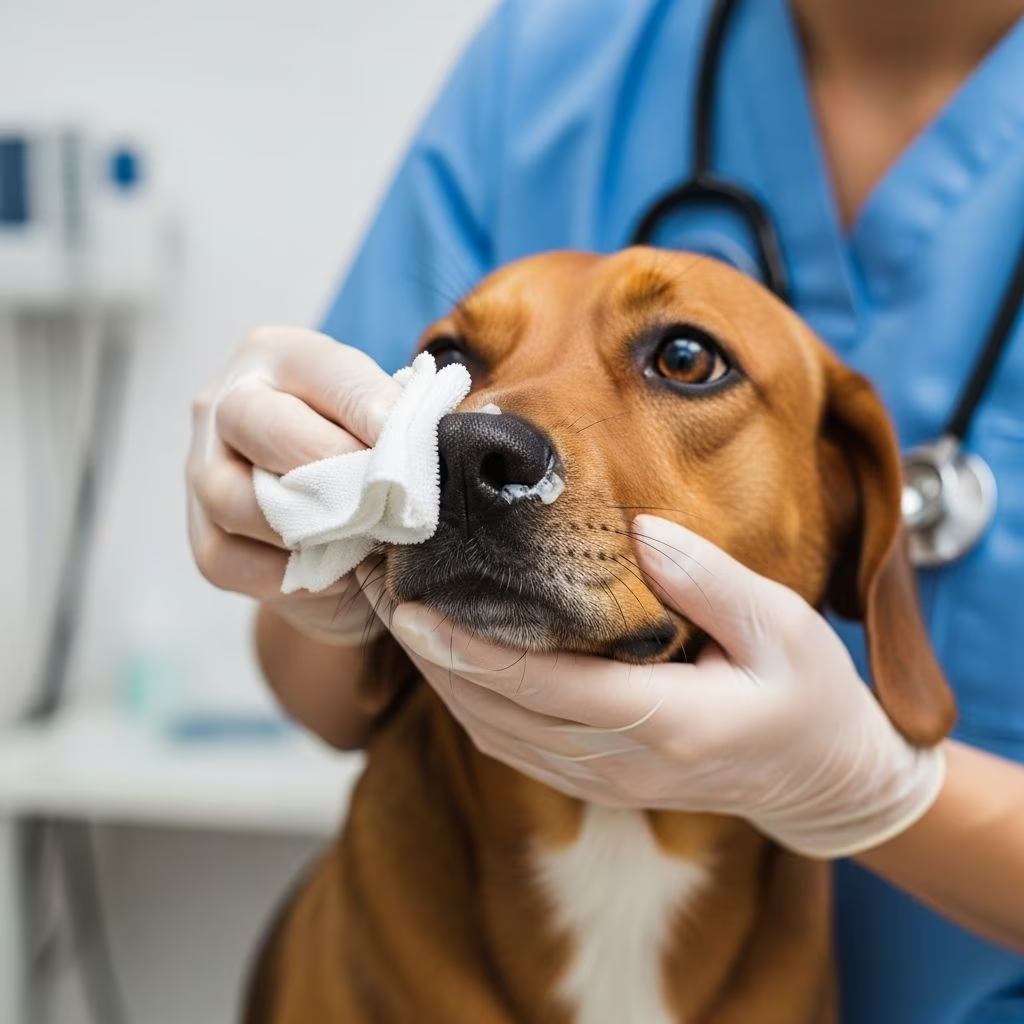
A dog’s nose naturally produces mucus to keep nasal passages moist and trap particles, but excess discharge can signal issues needing attention. Proper cleaning maintains comfort and hygiene while helping identify underlying problems early.
Understanding Canine Nasal Mucus
Dogs rely on their sense of smell for navigation, so a clear nose is vital. Mucus serves as a protective barrier, but overproduction leads to visible drips or crusts around nostrils. Clear discharge often stems from minor irritants, while colored or thick mucus points to infections or allergies. Regular monitoring prevents escalation.
Essential Tools for Safe Nose Cleaning
Gather gentle, pet-safe supplies before starting to avoid irritation. Key items include:
- Soft cotton balls or unscented tissues for wiping exterior discharge.
- Pet-safe saline solution or homemade mix (1/4 tsp non-iodized salt in 1 cup warm water) for flushing.
- Warm damp cloth for softening crusts.
- Syringe or nasal spray bottle for controlled application.
- Treats to keep your dog calm and rewarded.
Humidifiers add environmental moisture, easing congestion without direct contact.
Step-by-Step Guide to Cleaning Your Dog’s Nose
Follow these gentle steps for effective, stress-free cleaning:
- Prepare the area: Work in a quiet space. Warm a cloth and hold it over the nose for 1-2 minutes to loosen dried mucus.
- Inspect visually: Check nostrils for debris like grass seeds without probing deeply.
- Wipe exterior: Dab gently with a soft tissue or cotton ball soaked in warm water. Never rub harshly.
- Apply saline flush: Tilt head slightly back, insert syringe tip shallowly into one nostril, and slowly inject 1-2 ml saline. Let it drain from the other nostril or mouth.
- Repeat and reward: Do the other side, then offer praise and treats. Allow natural head shaking to expel residue.
Perform daily if discharge persists, but limit flushes to twice daily to prevent over-moisturizing.
Home Remedies to Ease Nasal Congestion
Support cleaning with these vet-recommended remedies:
- Steam inhalation: Run a hot shower and sit with your dog in the steamy bathroom for 10 minutes to loosen mucus.
- Hydration boost: Ensure constant fresh water access; thin mucus naturally.
- Humidifier use: Maintain 40-60% room humidity to soothe dry passages.
- Honey addition: Mix 1/2 tsp raw local honey into food for its antimicrobial benefits (avoid in puppies under 1 year).
- Broth vapors: Let cool steam from plain chicken broth rise near the nose.
These methods complement cleaning but do not replace veterinary diagnosis.
Common Causes of Dog Nose Discharge
Nasal mucus varies by cause. Here’s a breakdown:
| Cause | Discharge Type | Other Symptoms |
|---|---|---|
| Allergies | Clear, watery | Sneezing, itching, paw licking |
| Infections (bacterial/viral) | Yellow/green, thick | Fever, lethargy, cough |
| Foreign objects | One-sided, bloody | Pawing at nose, sneezing |
| Nasal mites | Bloody, crusty | Nosebleeds, irritation |
| Tumors (rare, older dogs) | Bloody, persistent | Weight loss, facial swelling |
Track changes in color, amount, and duration for accurate vet reporting.
When to Seek Veterinary Help Immediately
Not all discharge resolves with home care. Contact a vet if:
- Discharge lasts over 3-5 days or worsens.
- Present with blood, pus, or foul odor.
- Accompanied by breathing difficulty, appetite loss, or eye issues.
- One nostril only affected, suggesting obstruction.
Vets may perform rhinoscopy, imaging (CT/MRI), or professional saline flushes under sedation for diagnosis and treatment.
Veterinary Procedures for Stubborn Cases
Advanced care includes:
- Rhinoscopy: Endoscope visualization to remove blockages.
- Nasal lavage: High-volume saline flush under anesthesia to clear deep mucus or tumors.
- Imaging: X-rays or CT scans to detect foreign bodies or masses.
- Medications: Antibiotics, antifungals, antihistamines, or steroids based on cause.
For allergies, testing leads to desensitization shots; parasites like mites respond to ivermectin.
Preventing Recurring Nose Issues in Dogs
Proactive steps reduce episodes:
- Regular vet check-ups and vaccinations.
- Allergen control: Dust weekly, use air purifiers, hypoallergenic diets.
- Prevent foreign body inhalation during play in grass or dirt.
- Maintain dental health to avoid sinus spread infections.
- Monitor seniors closely for age-related drips.
Breeds like Brachycephalics (Pugs, Bulldogs) are prone due to anatomy; tailored care helps.
FAQs on Dog Nose Mucus Care
Q: Can I use human saline spray on my dog?
A: Pet-safe versions are best; human ones may contain additives. Homemade saline works well.
Q: Is bloody nose discharge always serious?
A: Often from trauma or mites, but tumors possible in older dogs—see vet promptly.
Q: How often should I clean my dog’s nose?
A: As needed for visible discharge, up to twice daily. Overdoing irritates skin.
Q: What if my puppy has a runny nose?
A: Puppies dehydrate fast; vet evaluation rules out distemper or parvo.
Q: Does coconut oil help dry noses?
A: Small amounts moisturize exteriors for allergy-related dryness, but address root cause.
Long-Term Management for Chronic Cases
Dogs with ongoing issues benefit from holistic plans. Allergy sufferers thrive on elimination diets identifying triggers like proteins or pollen. Environmental tweaks, such as frequent bedding washes and flea preventives, minimize irritants. Supplements like omega-3 fatty acids support immune balance, reducing inflammation. Track symptoms in a journal: note discharge traits, weather, diet changes, and activity. Share with vets for precise interventions. In senior dogs, drips may link to dental disease or cognitive decline; comprehensive exams catch these. Consistent routines build resilience, ensuring your companion sniffs happily.
References
- Clean a Dog’s Runny Nose | Safe Nose Care Tips — Fitwarm. 2023. https://www.fitwarm.com/blogs/news/cleaning-dogs-runny-nose-guide
- Saline Nasal Flush for Dogs — DogCancer.com. 2022-10-15. https://www.dogcancer.com/articles/diagnosis-and-medical-procedures/saline-nasal-flush-for-dogs/
- Nasal Foreign Bodies In Dogs – Symptoms, Treatment, Prevention — BeyondPets. 2024. https://beyondpets.com/pet-health-plus/nasal-foreign-bodies-in-dogs/
- Nasal Discharge in Dogs: Causes, Symptoms, Diagnosis, Cures — Total.Vet. 2023-05-20. https://total.vet/dog-nasal-discharge/
- Nose Dripping in Senior Dogs: Causes, Care & Comfort — Downtown Animal Care Center. 2024-08-15. https://www.downtownanimalcarecenter.com/site/blog/2024/08/15/nose-dripping-senior-dogs



