

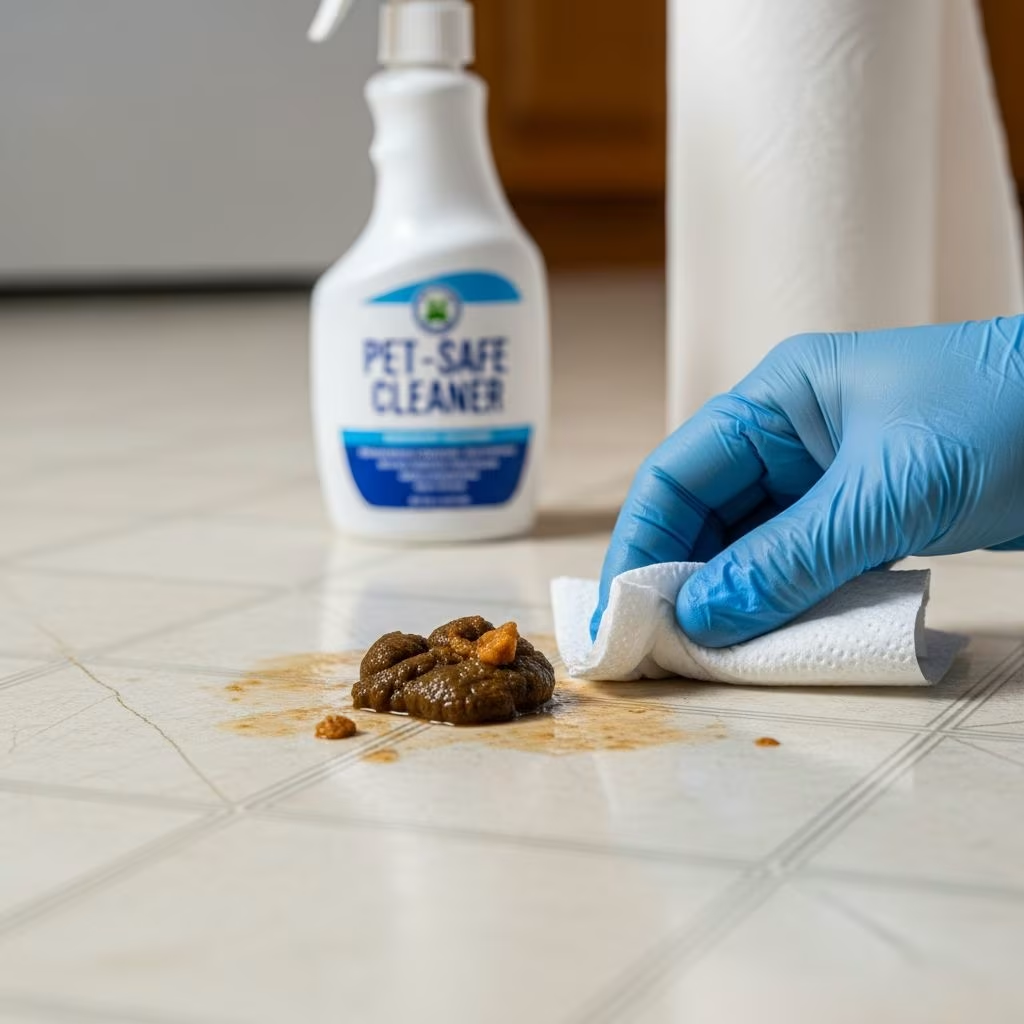
Dog diarrhea requires prompt and careful cleanup to maintain hygiene and protect household health. Proper techniques minimize bacterial spread and odors while addressing underlying pet wellness needs.
Understanding Dog Diarrhea Basics
Diarrhea in dogs involves loose, watery stools passing rapidly through the gastrointestinal tract. This condition arises from various triggers, demanding immediate attention to cleanup and potential veterinary evaluation.
Common Triggers Behind Loose Stools
Dogs experience diarrhea from dietary indiscretion, such as consuming garbage or inappropriate human foods, which disrupts intestinal balance. Infections from bacteria like Salmonella or viruses including parvovirus also contribute, often leading to severe symptoms in unvaccinated animals.
Parasites such as Giardia, hookworms, roundworms, whipworms, and coccidia frequently cause foul-smelling, mucusy stools, particularly in puppies or dogs exposed to contaminated water.
Chronic issues like inflammatory bowel disease (IBD), exocrine pancreatic insufficiency (EPI), colitis, or small intestinal bacterial overgrowth (SIBO) result in persistent loose stools, weight loss, and nutritional deficits.
Other factors include sudden food switches, toxin ingestion like chocolate, stress, medications, or pancreatitis, which inflames the pancreas and produces fatty, greasy stools.
Health Risks of Unattended Messes
Unchecked diarrhea spreads pathogens, posing risks to other pets, humans, and the affected dog through dehydration or electrolyte imbalances. Puppies and seniors face heightened dangers from rapid fluid loss.
Essential Supplies for Effective Cleanup
Gather tools before starting: disposable gloves, paper towels or absorbent cloths, enzymatic pet cleaners, plastic bags, disinfectant sprays, and a poop scooper for solid remnants. These items ensure safe, thorough removal without direct contact.
- Gloves: Nitrile or latex to block bacteria and prevent skin irritation.
- Absorbents: Paper towels for initial blotting; avoid cloth towels that harbor germs.
- Enzymatic Cleaners: Break down proteins and odors invisible to regular soaps.
- Disinfectants: Pet-safe options like diluted bleach (1:32 ratio) for hard surfaces.
- Trash Bags: Double-layered for secure disposal away from living areas.
Step-by-Step Guide to Removing Fresh Diarrhea
Act swiftly on fresh messes to simplify removal and reduce staining. Isolate the area to prevent paw tracking.
- Secure the Scene: Keep the dog away using a leash or crate; confine to a clean space.
- Initial Pickup: Wear gloves, scoop bulk with paper towels or scooper into a bag.
- Blot Excess: Press dry paper towels firmly to absorb moisture without rubbing, which spreads residue.
- Apply Cleaner: Saturate with enzymatic solution; let sit 10-15 minutes to digest organic matter.
- Wipe and Rinse: Blot again, then rinse with water if on non-porous surfaces.
Handling Diarrhea on Various Surfaces
| Surface Type | Cleanup Method | Prevention Tips |
|---|---|---|
| Hard Floors (Tile, Wood) | Scoop, enzymatic spray, mop with disinfectant | Use washable rugs; train to outdoor potty |
| Carpets/Upholstery | Blot don’t rub, sprinkle baking soda, vacuum after drying | Apply pet repellents; frequent vacuuming |
| Outdoor Grass/Yard | Hose off, natural deodorizers like lime | Designate potty zones; daily scooping |
| Furniture/Bedding | Remove covers, machine wash hot; spot treat | Waterproof throws; elevate pet beds |
Advanced Techniques for Stubborn Stains and Odors
For dried or recurrent messes, use hydrogen peroxide (3%) mixed with dish soap on light fabrics, testing first. Steam cleaners with pet-safe solutions lift deep residues. UV black lights reveal hidden spots for targeted treatment.
Vinegar solutions (1:1 water) neutralize odors on hard surfaces, but avoid on marble or grout. Professional carpet cleaning suits heavy contamination.
Preventing Future Diarrhea Episodes
Proactive measures reduce recurrence. Transition foods gradually over 7-10 days; opt for high-quality, limited-ingredient kibble.
- Regular deworming and fecal exams detect parasites early.
- Probiotics support gut microbiome during stress or diet changes.
- Vaccinations guard against parvovirus and distemper.
- Secure trash; supervise walks to avoid scavenged items.
Home Remedies to Ease Mild Cases
For short-term, non-bloody diarrhea, withhold food 12-24 hours, then introduce bland meals: boiled chicken and white rice in small portions 4-6 times daily. Plain canned pumpkin (1-4 tbsp based on size) adds fiber. Probiotics or yogurt soothe digestion. Monitor for 48 hours; no improvement warrants vet visit.
When Diarrhea Signals a Vet Emergency
Seek immediate care for blood, black tarry stools, vomiting, lethargy, pale gums, or persistence beyond 48 hours. Puppies, seniors, or dogs with pre-existing conditions need prompt evaluation including fecal tests, bloodwork, imaging, or fluids.
Frequently Asked Questions (FAQs)
What causes most cases of dog diarrhea?
Dietary indiscretion, parasites, and infections top the list, often resolving with home care but requiring vet checks for chronic issues.
Is dog diarrhea contagious to humans?
Some bacterial or parasitic types like Salmonella or Giardia can transmit; thorough cleanup and handwashing prevent spread.
How long before worrying about puppy diarrhea?
Any duration in puppies signals urgency due to dehydration risks; contact vet within 24 hours.
Can stress trigger loose stools in dogs?
Yes, anxiety induces colitis with mucus; calming aids and routine help.
What’s the best diet post-diarrhea?
Bland foods transitioning to prescription or high-fiber options as advised.
Long-Term Management Strategies
Chronic sufferers benefit from hydrolyzed protein diets, enzyme supplements for EPI, or anti-inflammatories for IBD. Regular vet monitoring tracks progress. Track stool quality via apps or journals to identify patterns.
References
- Why Does My Dog Have Diarrhea? 3 Common Causes — Insight Vet Wellness. 2023. https://insightvetwellness.com/gastrointestinal/why-does-my-dog-have-diarrhea-3-common-causes/
- Dog Diarrhea: How To Identify, Diagnose, and Treat It — PetMD. 2024. https://www.petmd.com/dog/symptoms/dog-diarrhea
- Dog Diarrhea: Causes, Treatment and When to Worry — GoodRx. 2024. https://www.goodrx.com/pet-health/dog/dog-diarrhea
- Dog Diarrhea: Signs, Symptoms, and Treatments — American Kennel Club. 2024. https://www.akc.org/expert-advice/health/dog-diarrhea/
- Diarrhea | Cornell University College of Veterinary Medicine — Cornell Vet. 2023. https://www.vet.cornell.edu/departments-centers-and-institutes/riney-canine-health-center/canine-health-topics/diarrhea



