

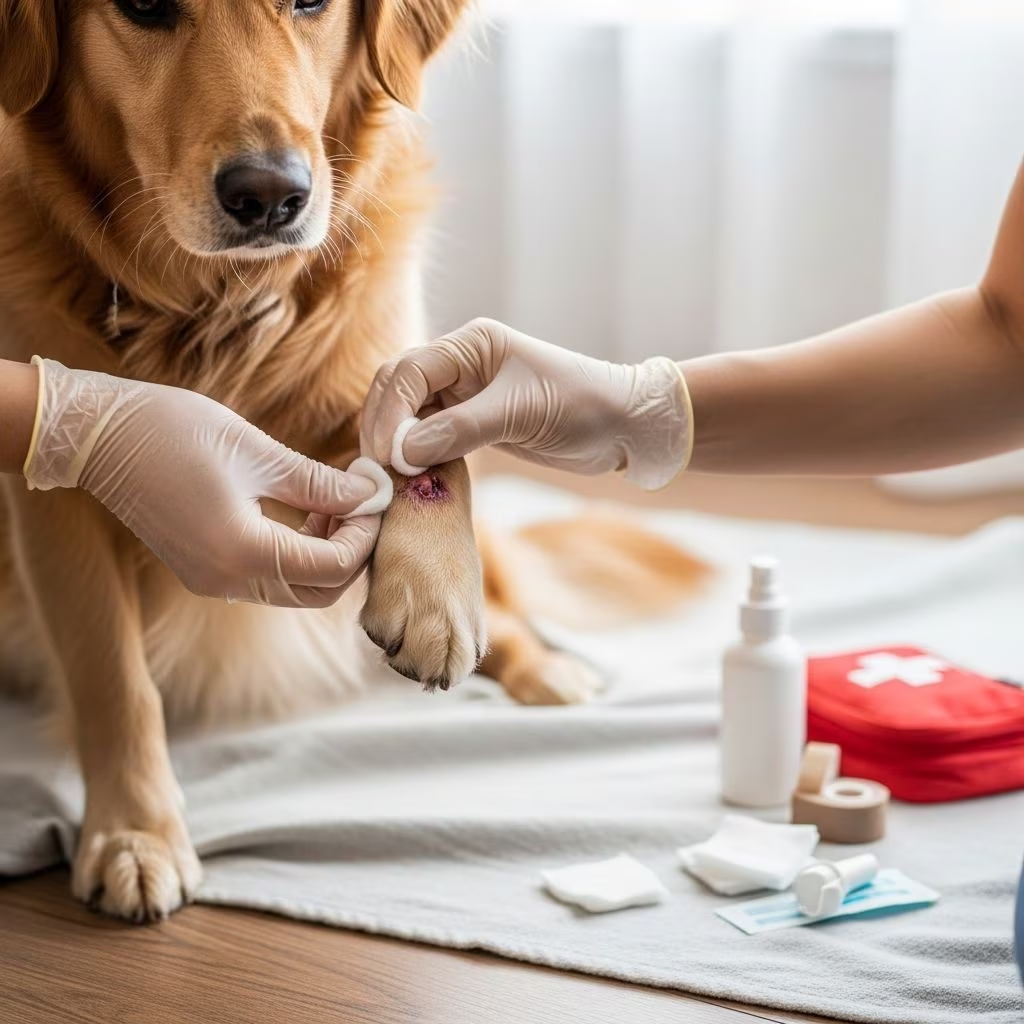
Proper wound management for dogs can prevent complications and support natural healing processes. This guide provides detailed instructions for handling minor injuries using safe, effective methods recommended by veterinary professionals.
Understanding Types of Dog Injuries
Dogs often sustain cuts, scrapes, punctures, or abrasions during play, walks, or accidents. Superficial wounds affect only the skin’s outer layer, while deeper ones may involve muscle or fat. Recognizing the difference helps determine if home care suffices or professional intervention is needed.
- Cuts and scrapes: Common from rough terrain or fights, usually shallow.
- Punctures: From bites or sharp objects, prone to infection due to embedded debris.
- Abrasions: Surface-level damage from dragging or rubbing.
Assess depth, location, and bleeding extent immediately. Wounds on paws, legs, or torso are frequent hotspots.
Essential Supplies for Home Treatment
Stock a pet first aid kit with vet-recommended items to handle wounds promptly. These tools ensure hygiene and effective care without risking further harm.
| Item | Purpose | Key Features |
|---|---|---|
| Pet-safe antimicrobial wipes | Clean minor injuries | Prevent bacterial/fungal growth |
| Wound ointment (e.g., medical-grade honey) | Promote healing | Antibacterial properties |
| Styptic powder | Stop bleeding | Contains numbing agent like benzocaine |
| Gauze pads and bandages | Cover wounds | Keep clean during recovery |
| Blunt-tipped scissors/clippers | Trim fur, cut bandages | Safe for pet skin |
| Disposable gloves | Maintain sterility | Protect handler and pet |
| Saline solution or chlorhexidine | Flush debris | Non-irritating antiseptic |
Prepare saline by mixing 1 teaspoon salt in 2 cups warm water. Avoid hydrogen peroxide or alcohol, as they delay healing.
Step-by-Step Wound Cleaning Process
Follow this sequence for optimal results, prioritizing safety for both dog and owner.
- Evaluate the injury: Check for heavy bleeding, embedded objects, or exposure of fat/muscle. Seek vet care if present.
- Wear gloves: Prevent contamination transfer.
- Trim surrounding fur: Use clippers to remove hair, applying lubricant like KY jelly first to catch loose fur.
- Rinse thoroughly: Flush with warm tap water, saline, or 2% chlorhexidine. Soak paws in a bowl; use shower for body wounds. Add mild soap if needed.
- Remove debris: Gently pick out visible dirt with tweezers if shallow; leave deep objects for vets.
- Control bleeding: Apply pressure with clean cloth for 5-10 minutes. Use styptic powder for nails.
- Apply ointment: Use thin layer of antibiotic or honey-based product.
- Bandage if appropriate: Gauze over ointment, then cotton and elastic wrap. Not too tight.
- Prevent licking: Fit an e-collar (cone).
Clean twice daily initially, then every 2-3 days. Monitor progress closely.
Safe Cleaning Solutions Explained
Select solutions that cleanse without irritation. Veterinary sources emphasize gentle, effective options.
- Warm saline: Ideal for most wounds; mimics body fluids.
- Chlorhexidine (2%): Antiseptic for bacterial control; avoid eyes.
- Povidone-iodine (diluted): Good for eye-area wounds.
- Epsom salt soaks: For paw injuries to reduce swelling.
Steer clear of stinging agents. Frequency: 2-3 times daily for minor wounds.
Bandaging Techniques for Different Areas
Not all wounds need covering, but bandaging protects from licking and dirt.
- Paws/Legs: Gauze pad, cotton roll, elastic tape. Check circulation hourly first day.
- Torso: Often no bandage; use cone and topical ointment.
- Head/Neck: Challenging; focus on cleaning and cone use.
Change dressings daily first 3 days to inspect. Signs of poor fit: swelling, cold limbs, pain.
Monitoring Healing Progress
Observe daily for positive changes: reduced swelling, no pus, closing edges.
| Normal Healing Signs | Warning Signs |
|---|---|
| Pink tissue forming Minimal clear discharge Decreasing pain | Redness/swelling worsens Pus or foul odor Fever/lethargy |
| Dog comfortable Fur regrowth | Deepening wound Non-stop bleeding |
Healing timeline: Superficial wounds in 7-14 days; deeper may take weeks.
When to Contact a Veterinarian
Home care suits minor issues only. Rush to vet for:
- Bleeding >10 minutes despite pressure.
- Embedded objects or large/deeper wounds.
- Infection indicators: heat, pus, refusal to bear weight.
- Wounds from animal bites (rabies risk).
- Any doubt about severity.
Post-cleaning check-ups ensure no hidden issues.
Preventing Future Injuries
Proactive steps reduce recurrence risks.
- Regular nail trims to avoid splits.
- Inspect paws after walks.
- Supervise play with other dogs.
- Use booties on rough surfaces.
- Maintain vaccinations for bite protection.
A well-equipped first aid kit and routine checks keep dogs safe.
Frequently Asked Questions
Can I use hydrogen peroxide on dog wounds?
No, it damages healthy tissue and slows healing. Opt for saline or chlorhexidine.
How often should I change a bandage?
Daily for first 3 days, then every 2-3 days, or if soiled/wet.
What if my dog licks the wound?
Use an e-collar immediately to prevent infection and delay.
Is medical honey safe for all wounds?
Yes for minor ones; antibacterial but consult vet for allergies.
How do I clean a paw wound specifically?
Soak in warm saline bowl, gently swirl, dry thoroughly.
References
- Dog Wound Care: How to Clean and Treat Dog Wounds at Home — PetMD. 2023. https://www.petmd.com/dog/general-health/dog-wound-care-how-to-clean-treat-dog-wounds-at-home
- Care of Open Wounds in Dogs — VCA Animal Hospitals. 2023. https://vcahospitals.com/know-your-pet/care-of-open-wounds-in-dogs
- Complete Guide To Dog Wound Care — PC Companion Vets. 2023-10-15. https://www.pccompanionvets.com/site/blog/2023/10/15/complete-guide-dog-wound-care
- Step-By-Step Wound Care for a Dog at Home — Bond Vet. 2023. https://bondvet.com/blog/step-by-step-wound-care-for-a-dog-at-home-and-when-to-call-the-vet
- Dog Wound Care: Complete Guide — Holland Veterinary Hospital. 2024-03-22. https://www.hollandvethospital.com/site/blog/2024/03/22/dog-wound-care
- Dog Wound Care: Complete Guide — Meadow Vista Vet. 2023-06-29. https://www.meadowvistavet.com/site/blog/2023/06/29/dog-wound-care



