

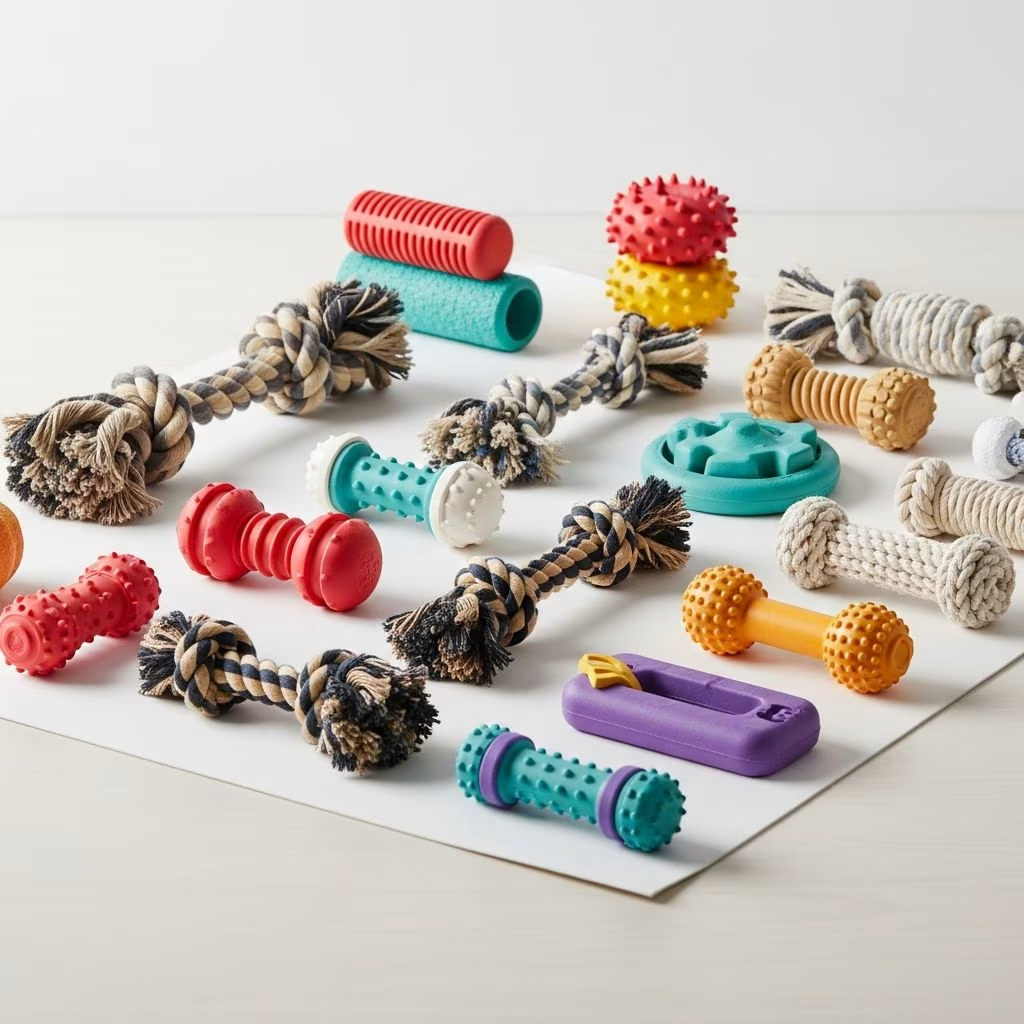
Keeping your dog’s toys free from dirt, saliva buildup, and bacteria is crucial for their health and safety. Regular cleaning prevents the spread of germs that could lead to infections or digestive issues in pets. This guide provides detailed, pet-safe methods tailored to different toy materials, drawing from proven techniques to ensure thorough sanitation without damaging items.
Why Cleaning Dog Toys Matters for Pet Well-Being
Dog toys accumulate saliva, food particles, hair, and outdoor debris quickly during play. Over time, these foster bacterial growth, including harmful pathogens like Salmonella or E. coli, which pets can ingest while chewing. Consistent cleaning reduces allergy risks from dust mites in plush toys and maintains toy integrity, potentially extending their usability and saving money on replacements.
Experts recommend inspecting toys weekly for wear and cleaning them bi-weekly or after visible soiling. Fully drying items post-cleaning is vital to prevent mold, especially in absorbent fabrics.
Essential Supplies for Dog Toy Cleaning
Gather these pet-safe items before starting:
- Mild, fragrance-free detergent or pet-safe soap
- White vinegar (natural disinfectant)
- Baking soda (for odor absorption)
- Soft-bristle brush or old toothbrush
- Mesh laundry bags (for machine washing)
- Large basin or sink for soaking
- Clean towels for pressing out water
Avoid harsh chemicals like bleach, ammonia, or fabric softeners, as residues can irritate a dog’s mouth or stomach if ingested.
Cleaning Soft and Plush Dog Toys
Plush toys with stuffing or squeakers trap moisture and odors most readily, making them prime for bacterial harboring. Most are machine-washable if seams are secure.
Machine Washing Plush Toys
- Spot-treat stains with a paste of baking soda and water using a toothbrush; let sit 15 minutes.
- Place toys in mesh bags to protect against snags.
- Wash on gentle cycle with cool water and a small amount of mild detergent; add 1/2 cup white vinegar to the rinse compartment for deodorizing.
- Run an extra rinse if suds remain.
- Air dry flat or tumble dry on no-heat/air fluff; check squeakers periodically to ensure dryness.
This method removes dust mites effectively while preserving toy shape.
Hand Washing Alternative
For delicate or embroidered plush items:
- Fill a basin with warm water and pet-safe soap or vinegar solution (1:1 ratio).
- Soak 10-15 minutes, gently agitating.
- Scrub lightly, focusing on dirty areas.
- Rinse multiple times until water runs clear; press (don’t wring) with towels.
- Air dry in sunlight for natural sanitizing.
Complete drying prevents mildew; stuff with dry towels temporarily to maintain fluffiness.
Sanitizing Hard Plastic, Rubber, and Nylon Toys
Durable toys like balls, bones, and chew rings withstand vigorous cleaning. These non-porous surfaces clean quickly but crevices need attention.
Hand Scrubbing Method
- Soak in warm soapy water or vinegar mix for 15-30 minutes to loosen grime.
- Use a brush to scrub all surfaces, including holes or textures.
- Rinse under running water; repeat if slippery.
- Air dry or use low-heat dishwasher top rack (if label-approved).
For heavy buildup, pre-soak with baking soda overnight.
Dishwasher Option
Many rubber and nylon toys are top-rack safe. Use a pet-safe detergent or vinegar instead of pods to avoid residues. Skip heated dry to prevent warping. This provides deep cleaning with minimal effort.
| Method | Pros | Cons | Best For |
|---|---|---|---|
| Hand Scrub | Precise control, no heat risk | Time-intensive | Textured toys |
| Dishwasher | Thorough, hands-free | May warp if not top-rack | Smooth rubber/plastic |
| Soak Only | Quick for light dirt | Less effective on stains | Daily maintenance |
Handling Rope and Chew Toys Effectively
Rope toys absorb saliva deeply and aren’t machine-safe due to fraying risks. They require specialized approaches.
Recommended Techniques
- Vinegar Soak: Submerge in 1:1 vinegar-water for 30 minutes, scrub with brush, rinse well, air dry.
- Boiling: For thick ropes without glue, boil 2-3 minutes to kill bacteria; cool and dry fully. Not for synthetic blends.
- Microwave Sanitize: Dampen rope, microwave 1-2 minutes (no metal parts); ensure even heating to avoid hotspots.
Inspect for excessive wear; discard frayed ropes to prevent choking hazards.
Natural Cleaning Solutions and Their Benefits
Household staples offer eco-friendly, non-toxic options:
- White Vinegar: Kills 82% of mold species and neutralizes odors; safe post-rinse.
- Baking Soda: Deodorizes and mildly abrades stains; sprinkle pre-wash.
- Soap Nuts: Natural detergent alternative; add to wash for gentle cleaning.
These avoid synthetic fragrances that might attract or repel dogs unpredictably.
Drying Strategies to Prevent Mold and Bacteria
Moisture is the enemy—undried toys breed mold within 24-48 hours. Spread items in a well-ventilated area, preferably outdoors. For plush, reshape stuffing and use fans. Low-heat drying works for sturdy toys but monitor closely. Always verify dryness by feel and smell before storage or play.
Storage Tips for Long-Lasting Cleanliness
Post-cleaning, store toys in breathable bins away from moisture. Rotate toys to minimize soiling frequency. Label machine-safe vs. hand-only for quick reference. Weekly inspections catch issues early.
Frequently Asked Questions
Can I use regular laundry detergent on dog toys?
Yes, if pet-safe and fragrance-free; rinse thoroughly to eliminate residues that dogs might ingest.
Is it safe to machine wash squeaky toys?
Hand wash preferred to protect mechanisms, but gentle cycles work if bagged; air dry fully.
How often should I replace dog toys?
Inspect regularly; replace when damaged, regardless of cleaning.
Are dishwasher pods okay for dog toys?
Avoid; use vinegar or mild soap to prevent chemical buildup.
What if my dog chews everything?
Opt for durable nylon chews and clean more frequently.
Common Mistakes to Avoid
- Overloading washers, leading to poor cleaning.
- Using hot water on synthetics, causing melting.
- Skipping rinses, leaving toxic residues.
- Storing damp toys, inviting mold.
By following these protocols, you’ll keep playtime safe and enjoyable.
References
- How I wash my dog’s stuffed toys — YouTube. 2024. https://www.youtube.com/watch?v=KpikDj3vEg4
- How to Wash Dog Toys: A Comprehensive Cleaning Guide — Kennel Club LAX. N/A. https://kennelclublax.com/blog/how-to-wash-dog-toys-a-comprehensive-cleaning-guide/
- A Safe & Easy Guide to Cleaning Dog Toys — Blueland. N/A. https://www.blueland.com/articles/clean-dog-toys-safely
- How to Wash Dog Toys in Your Washing Machine — Maytag. N/A. https://www.maytag.com/blog/washers-and-dryers/how-to-wash-dog-toys-in-washer.html
- How to Wash Dog Toys: 3 Methods — BARK. N/A. https://bark.co/blogs/bark-post/how-to-wash-dog-toys
- A Quick and Easy Guide to Cleaning Dog Toys — Hill’s Pet Nutrition. N/A. https://www.hillspet.com/dog-care/play-exercise/how-to-properly-clean-dog-toys
- How to Clean and Maintain Your Dog’s Chew Toys — Petmate. N/A. https://www.petmate.com/blogs/petmate-academy/how-to-clean-and-maintain-your-dogs-chew-toys



