

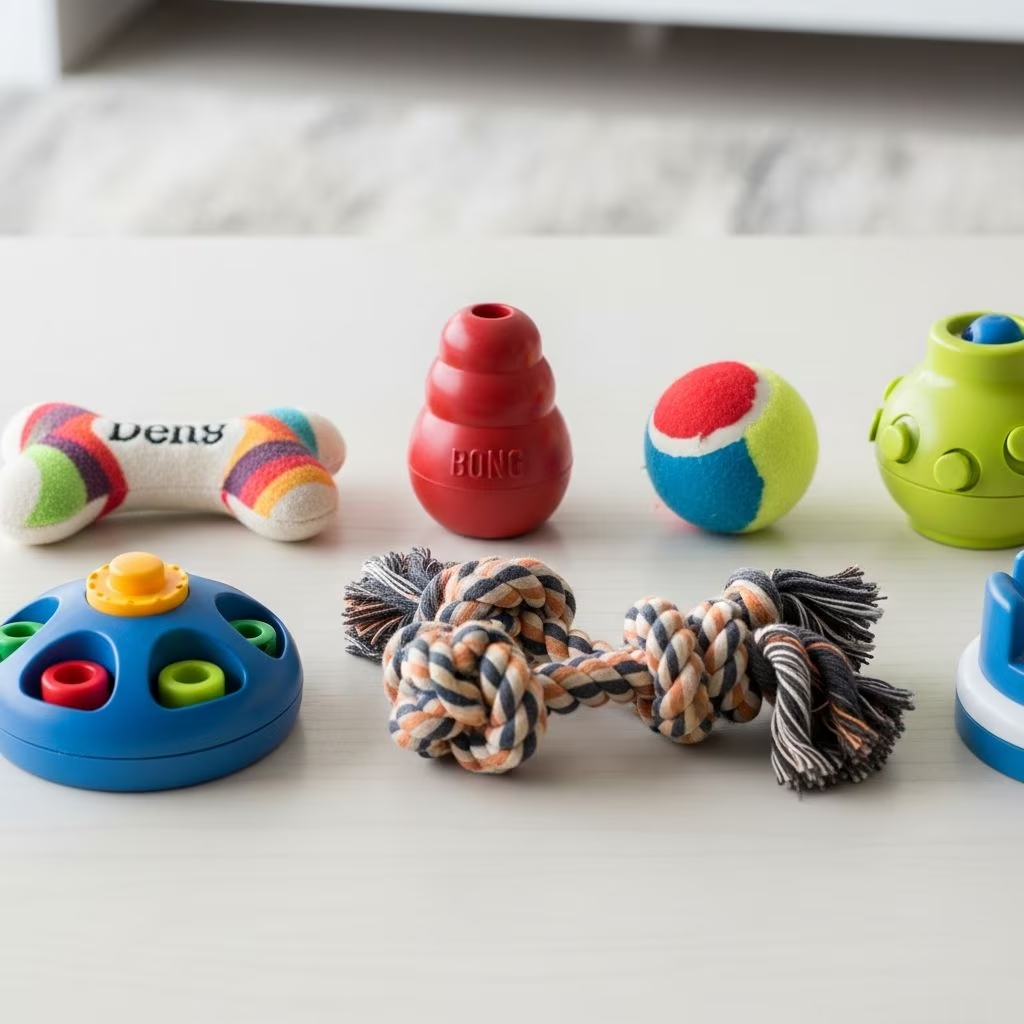
Keeping your dog’s toys clean is essential for their health and safety. Toys accumulate saliva, dirt, bacteria, and debris during play, potentially leading to infections or allergies if not maintained properly. Regular cleaning removes these hazards while preserving the toys’ shape and functionality. This guide provides practical, pet-safe methods tailored to different toy types, drawing from reliable cleaning practices.
Why Cleaning Dog Toys Matters for Pet Wellness
Dog toys serve as more than entertainment; they are breeding grounds for germs due to constant mouthing and chewing. Bacteria like Salmonella or E. coli can thrive on soiled surfaces, posing risks if ingested. Clean toys also prevent unpleasant odors and extend product lifespan, saving money over time. Establish a routine: inspect weekly and deep clean monthly, depending on usage.
- Health Protection: Reduces pathogen exposure, supporting immune health.
- Odor Control: Eliminates buildup from saliva and food particles.
- Durability Boost: Prevents fabric breakdown or material warping.
Essential Supplies for Toy Cleaning
Gather these basics before starting: pet-safe detergent (fragrance-free), white vinegar, baking soda, soft brushes, microfiber cloths, laundry bags, and gloves. Avoid bleach, fabric softeners, or human cleaners, as residues can harm dogs upon re-chewing. Opt for natural alternatives like vinegar solutions for disinfection without toxicity.
| Item | Purpose | Why Pet-Safe? |
|---|---|---|
| Pet-safe detergent | Mild cleaning | No harsh residues |
| White vinegar | Disinfection | Natural antibacterial |
| Baking soda | Deodorizing | Absorbs odors safely |
| Soft brush | Scrubbing crevices | Prevents damage |
Cleaning Soft Plush and Stuffed Toys
Plush toys trap moisture and fibers, making them prone to mold. Machine washing works for most, but protect squeakers and stuffing with mesh bags. For delicate items, hand washing preserves shape.
Machine Washing Steps
- Sprinkle baking soda on toys to neutralize odors; let sit 15 minutes.
- Place in laundry bags.
- Wash on gentle cycle with cold/warm water and mild pet detergent. Add vinegar to rinse for extra sanitizing.
- Air dry or low-heat dry; ensure fully dry to avoid mildew.
Repeat cycles if needed for heavy soiling. This method removes dust mites effectively.
Hand Washing Alternative
Fill a basin with warm water and pet detergent. Soak toys 10-15 minutes, then scrub gently with a soft brush. Rinse multiple times until soap-free, squeeze excess water, and air dry on a rack. Ideal for toys with embedded squeakers.
Handling Rubber, Plastic, and Silicone Toys
These durable materials withstand scrubbing but hide grime in textures. Dishwasher use is viable for some, but hand methods ensure thoroughness.
Hand Scrubbing Method
- Mix warm water with mild dish soap or vinegar (1:1 ratio).
- Soak 5-10 minutes; use an old toothbrush for grooves.
- Rinse under running water; air dry upright.
For dishwasher-safe toys (check labels), place on top rack, skip heated dry, and use vinegar instead of detergent.
Sanitizing Tips
Spray with diluted vinegar post-rinse for bacteria kill. Baking soda paste tackles tough stains: apply, scrub, rinse.
Special Care for Rope and Chew Toys
Rope toys fray and absorb saliva, requiring unique approaches. Machine washing damages fibers, so manual methods prevail.
- Soak and Scrub: Warm soapy water soak, then brush vigorously. Rinse well.
- Boiling Option: Submerge in boiling water 2-3 minutes to sterilize (no metal parts).
- Microwave Sanitize: Dampen wet ropes, microwave 1-2 minutes (monitor closely).
Air dry fully; discard if frayed beyond repair to avoid ingestion risks.
Maintaining Toys with Electronics or Squeakers
Water damages batteries and mechanisms, so surface cleaning is key.
- Remove batteries or unplug.
- Wipe with vinegar-dampened cloth; avoid soaking.
- Spray lightly if needed, then dry completely (24+ hours).
For plush-electronic hybrids, spot clean fabric around components.
Weekly Maintenance Routines
Incorporate quick cleans between deep sessions:
- Shake off debris outdoors.
- Wipe surfaces with microfiber and vinegar spray.
- Sun dry for natural disinfection (UV kills germs).
- Rotate toys to reduce individual wear.
Store in ventilated bins; freeze overnight to kill fleas if infestation suspected.
FAQs on Dog Toy Cleaning
Can I use regular laundry detergent?
Pet-safe versions only; rinse thoroughly to eliminate residues that could irritate stomachs.
How often should I clean toys?
Weekly wipes, monthly deep cleans, or after illness exposure.
Is vinegar safe for all toys?
Yes, diluted; it’s non-toxic and effective against most bacteria.
What if a toy has mold?
Discard plush items; hard toys scrub with vinegar and monitor.
Are dishwasher cycles okay?
For top-rack safe plastics only; no heat dry.
Preventing Future Soiling
Supervise play near dirt or food. Choose machine-washable toys initially. Use treat-dispensing designs that self-clean partially. Educate family on immediate post-play wipes. These habits minimize deep cleans.
Consistent cleaning fosters a safer environment, letting dogs enjoy toys worry-free. Adjust methods based on toy labels for best results.
References
- How to Properly Clean Dog Toys — Hill’s Pet Nutrition. 2023-05-15. https://www.hillspet.com/dog-care/play-exercise/how-to-properly-clean-dog-toys
- How to Wash Dog Toys in Your Washing Machine — Maytag. 2024-02-10. https://www.maytag.com/blog/washers-and-dryers/how-to-wash-dog-toys-in-washer.html
- A Safe & Easy Guide to Cleaning Dog Toys — Blueland. 2023-11-20. https://www.blueland.com/articles/clean-dog-toys-safely
- How To Wash Dog Toys: A Complete Guide — Multipet. 2024-01-08. https://www.multipet.com/how-to-wash-dog-toys-a-complete-guide/
- How to Wash Dog Toys: 3 Methods — BARK. 2023-09-12. https://bark.co/blogs/bark-post/how-to-wash-dog-toys



