

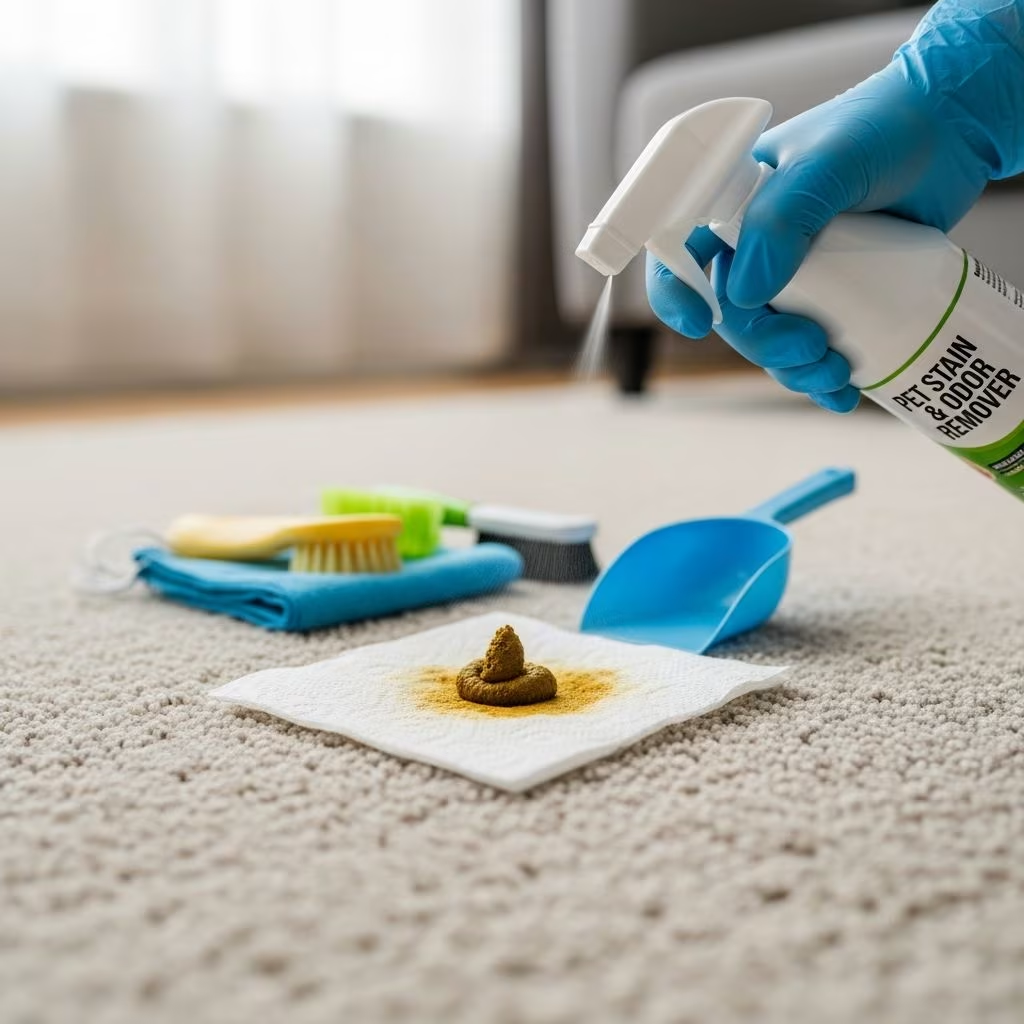
Accidents happen in every pet household, and dog poop on the carpet can create stubborn stains and pervasive odors if not addressed promptly. Acting fast with the right techniques ensures your carpet returns to its clean state without lingering issues or fiber damage. This guide provides a comprehensive approach, drawing from proven cleaning strategies to handle solid messes, liquid diarrhea, and everything in between.
Why Quick Action Matters for Carpet Recovery
Dog feces contain proteins, bacteria, and oils that bond quickly to carpet fibers and padding. Delaying cleanup allows these elements to set, making stains darker and odors more persistent due to bacterial proliferation. Immediate intervention lifts most residue before it penetrates deeply, preserving carpet integrity and household hygiene. Fresh incidents respond best to absorption and enzymatic breakdown, while set-in spots require oxidative agents like hydrogen peroxide.
Essential Tools and Supplies for Effective Cleanup
Gather these items before starting to streamline the process:
- Disposable gloves for protection
- Plastic scraper or spoon for solid removal
- Clean white cloths or paper towels
- Baking soda for odor absorption
- White vinegar and dish soap (bleach-free)
- 3% hydrogen peroxide
- Enzymatic pet cleaner (e.g., Nature’s Miracle)
- Spray bottle and wet vacuum (optional but recommended)
Having everything ready minimizes spread and secondary contamination.
Step-by-Step Guide to Solid Poop Removal
Begin with solid deposits to avoid grinding them into fibers.
- Lift the bulk: Wear gloves and use a plastic scraper to gently scoop from outer edges inward, depositing waste into a bag.
- Pinch and pull: For embedded pieces in pile carpets, pinch fibers between fingers or use a damp baby wipe to extract without rubbing.
- Inspect depth: Check for remnants by parting fibers; repeat if necessary.
This phase removes 80-90% of the material, setting up easier stain treatment.
Handling Liquid or Diarrhea Incidents
Runny messes soak faster, reaching the backing. Use a “towel sandwich” method: layer thick paper towels over the spot, press firmly with foot pressure for 1-2 minutes, and replace layers until absorption slows. Avoid dragging motions that wick liquids outward. For heavy saturation, a shop vac or spot extractor pulls moisture from padding effectively.
Odor Neutralization with Baking Soda
After initial removal, liberally sprinkle baking soda over the damp area. Its alkaline nature draws out moisture and neutralizes acidic fecal odors. Let it dwell 15-30 minutes (or overnight for severe cases), then vacuum thoroughly. This step prevents bacterial regrowth that perpetuates smells.
DIY Cleaning Solutions for Stain Lifting
Create targeted mixtures based on stain severity:
| Solution | Ingredients | Best For | Application Notes |
|---|---|---|---|
| Vinegar Mix | 1:1 white vinegar and water | Mild odors, light stains | Spray, sit 10 min, blot. Test for colorfastness. |
| Peroxide Blend | 2 cups 3% H2O2 + 1 tbsp dish soap | Set-in stains on light carpets | Apply to dry area, wait 15 min, blot. Avoid dark fibers. |
| Dish Soap Solution | 1 tsp soap in 2 cups warm water | Greasy residues | Gently agitate, extract with wet vac. |
Always pretest solutions in inconspicuous areas. Enzymatic cleaners outperform DIY for biological breakdown, as they contain microbes that digest proteins and eliminate odor sources at the molecular level.
Advanced Techniques for Stubborn Residues
For persistent discoloration, employ the “spray and walk away” peroxide method on dry carpets: saturate with 3-6% hydrogen peroxide, allow 20-30 minutes dwell time, then blot excess. Repeat if needed, but monitor for bleaching. Follow with enzymatic spray and extraction to rinse residues. Wet vacuums excel here, flushing contaminants while suctioning them out, far superior to manual blotting for deep cleaning.
Common Mistakes That Worsen the Problem
- Rubbing instead of blotting: Damages fibers and embeds particles deeper.
- Using ammonia: Mimics urine scent, inviting re-marking.
- Early steam cleaning: Heat bakes in bacteria and odors.
- Skipping rinse: Leaves cleaner residues that attract dirt.
- Ignoring padding: Odors persist if underlayment isn’t treated.
Avoid these to prevent repeat efforts and carpet deterioration.
Long-Term Odor Control Strategies
Post-cleanup, deploy natural absorbers like bowls of activated charcoal or coffee grounds nearby to capture airborne smells. Citrus-based pet sprays provide masking without irritation. For chronic issues, lift carpet edges and sprinkle odor neutralizer directly on padding. Regular vacuuming with pet-specific filters maintains freshness.
When to Call Professional Services
If stains cover large areas, odors linger after multiple treatments, or diarrhea has penetrated padding extensively, pros use industrial extractors and hospital-grade disinfectants. They also inspect for mold risks from moisture. Costs vary but save time and ensure complete sanitation.
Preventing Future Carpet Accidents
Address root causes: dietary changes for loose stools, consistent potty training, and belly bands for puppies. Designate pet zones with washable rugs. Enzyme-spritz high-traffic areas weekly as a deterrent. Health checks rule out medical issues like parasites or allergies.
FAQs
Can vinegar damage my carpet?
Diluted properly, no—but overuse on synthetic backings may weaken adhesives. Rinse thoroughly after use.
Is hydrogen peroxide safe for all carpets?
Best for light colors; test dark or wool carpets first, as it can bleach dyes.
How do I know if the odor is fully gone?
Wait 24-48 hours post-cleaning. Sniff test from different angles; absence confirms success.
What if my dog keeps going in the same spot?
Clean thoroughly with enzymes to remove scent markers, then block access or use deterrents.
Does baking soda alone suffice?
Great for odors but pair with cleaners for stains; it’s absorbent, not a solvent.
Sanitizing for Health and Safety
Dog feces harbor pathogens like E. coli and parasites. Disinfect tools with diluted bleach (1:10) or boiling water, and wash fabrics in hot cycles. Air out the room to dissipate fumes from cleaners.
References
- How to Get Dog Poop Out of Carpet Fast (No Stains, No Smell) — Poo Squad. 2023. https://www.poosquad.com/how-to-get-dog-poop-out-of-carpet/
- Carpet Cleaning Dog Poop D.I.Y. — David Mavilio (YouTube). 2020-10-27. https://www.youtube.com/watch?v=Xk0xotOwDo8
- How to Remove Any Pet Stain In Two Steps or Less — YouTube Transcript. 2023. https://www.youtube.com/watch?v=92luKRaVhb0
- 8 Effective Steps for Getting Dog Poop Out of Carpet — Grove Collaborative. 2023. https://www.grove.co/blog/how-to-get-poop-out-of-carpet



