

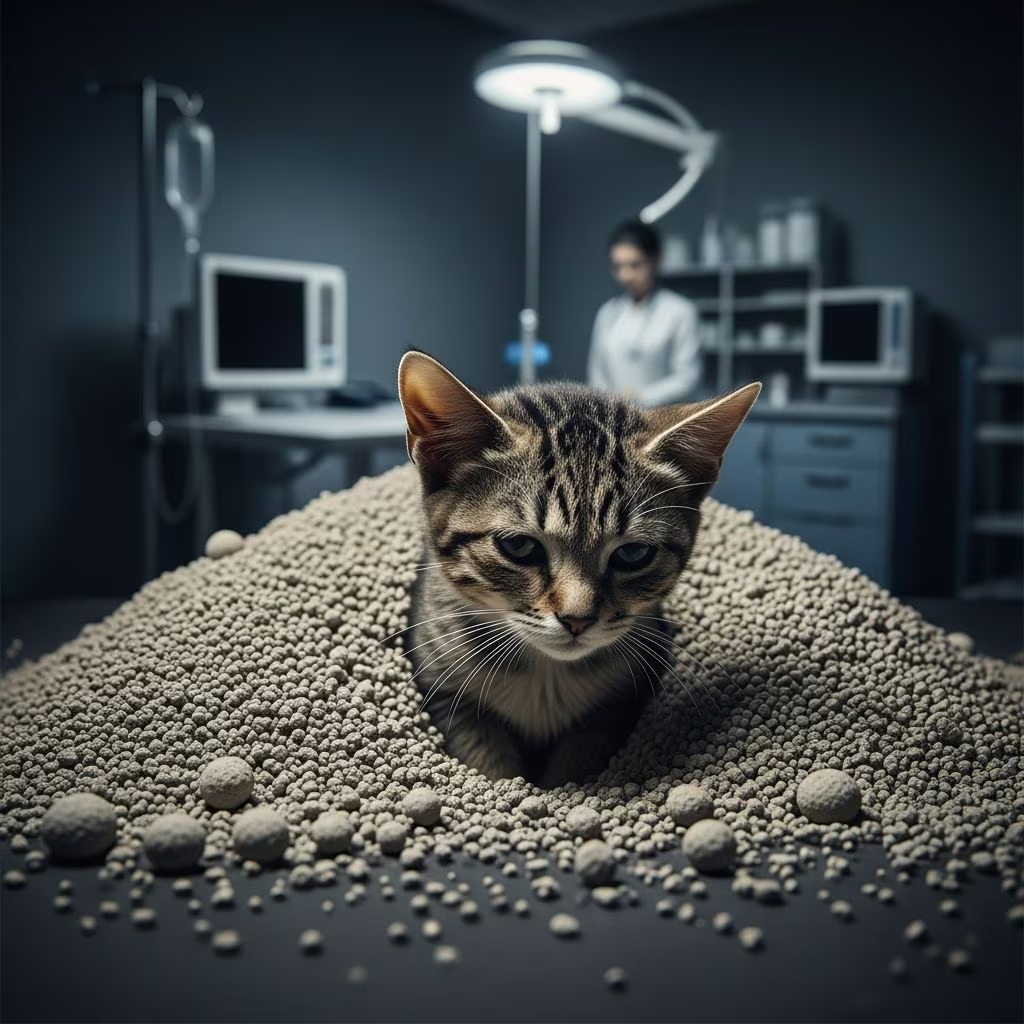
Clay-based cat litters have long been a staple in households due to their affordability and clumping abilities, but mounting evidence points to significant health concerns for cats. These products, primarily made from sodium bentonite clay, pose risks through dust inhalation and accidental ingestion, potentially leading to respiratory problems and gastrointestinal emergencies.
Understanding the Composition of Clay Litters
Most clay litters derive from bentonite, a naturally absorbent mineral that swells dramatically when wet. Sodium bentonite, the key ingredient in clumping varieties, expands up to 15 times its size upon contact with moisture, forming solid masses ideal for scooping but hazardous if consumed. Non-clumping versions rely on similar clays but lack this expansion property, though they still generate dust.
Processing involves mining these clays, which introduces fine particles including crystalline silica—a substance recognized for its potential to harm lungs when inhaled over time. Manufacturers may add fragrances or deodorizers, further complicating safety profiles for sensitive pets.
Primary Health Threats from Inhalation
The most pervasive danger stems from the dust clouds released when pouring or sifting clay litter. This fine particulate matter contains crystalline silica, classified as a carcinogen by health authorities, which can inflame airways in cats. Cats, with their low-slung posture near litter boxes, face chronic exposure during use and grooming.
- Feline Asthma Exacerbation: Dust irritates bronchial passages, triggering wheezing, coughing, and labored breathing, especially in predisposed cats.
- Silicosis Risk: Prolonged inhalation scars lung tissue, reducing respiratory efficiency—a concern amplified in multi-cat homes or poorly ventilated spaces.
- Eye and Paw Irritation: Particles settle on fur and paws, leading to conjunctivitis or dermatitis upon licking.
Studies on human exposure underscore the gravity; veterinary parallels suggest cats, breathing faster and closer to the source, bear heightened vulnerability. Kittens and seniors, with immature or weakened systems, suffer most acutely.
Ingestion Dangers and Blockage Perils
Cats groom meticulously, ingesting litter residue daily. Clumping clay’s expansion in the stomach mimics cement formation, obstructing intestines. Even trace amounts prove lethal in small felines.
| Litter Type | Ingestion Risk Level | Potential Outcome |
|---|---|---|
| Clumping Bentonite | High | Fatal blockages, vomiting, surgery needed |
| Non-Clumping Clay | Moderate | Digestive upset, less expansion |
| Plant-Based Alternatives | Low | Biodegradable, non-toxic |
Kittens under four months are prime victims, mistaking litter for food amid teething curiosity. Adult cats with pica or dietary deficiencies also ingest more, compounding risks.
Environmental and Practical Drawbacks
Beyond health, clay mining devastates landscapes via strip methods, eroding soil and habitats while producing non-biodegradable waste that lingers in landfills. Heavy bags burden users, and tracking spreads mess, inviting further ingestion. Flushing clogs pipes catastrophically due to swelling.
Debating Safety: Industry Claims vs. Evidence
Some industry FAQs assert low risk from respirable crystalline silica in normal use, citing tests. However, veterinary sources and pet health experts prioritize caution, noting cats’ unique exposure patterns differ from human scenarios. The consensus favors minimization, especially absent long-term feline-specific studies.
Identifying At-Risk Cats
- Breeds prone to asthma (e.g., Siamese)
- Kittens or elderly felines
- Cats with allergies or weakened immunity
- Households with multiple cats increasing dust volume
Monitor for symptoms like persistent sneezing, lethargy, or stool changes, consulting vets promptly.
Safer Litter Alternatives: A Comprehensive Guide
Transitioning mitigates risks without sacrificing efficacy. Plant-derived options excel in safety and sustainability.
| Alternative Type | Key Benefits | Best For |
|---|---|---|
| Tofu or Corn-Based | Dust-free, flushable, biodegradable | All ages, eco-conscious owners |
| Pine Pellets | Natural odor control, lightweight | Multi-cat homes |
| Paper or Walnut Shell | Non-toxic, low-tracking | Kittens, sensitive cats |
| Silica Crystals (Amorphous) | Superior absorption, dust-free | Odor-prone environments |
Introduce gradually by mixing with old litter over 1-2 weeks to ease adaptation.
Practical Tips for Litter Box Safety
- Choose Low-Dust Formulas: Opt for products labeled dust-free, though verify independently.
- Enhance Ventilation: Place boxes in airy areas; use covered designs sparingly to avoid dust traps.
- Scoop Daily: Minimize stirring to reduce airborne particles.
- Groom Aids: Wipe paws post-use if tracking occurs.
- Vet Check-Ups: Annual respiratory exams for early detection.
Frequently Asked Questions (FAQs)
Is all clay litter dangerous?
Clumping varieties pose highest risks due to bentonite expansion; non-clumping is safer but dusty.
Can I use clay litter for puppies or other pets?
No—dogs ingest more readily, facing identical blockages.
How quickly do symptoms appear?
Respiratory issues build gradually; blockages manifest in hours with vomiting and distress.
Are there natural clay litters without additives?
Plain versions exist but retain dust and mining issues.
What if my cat refuses alternatives?
Mix incrementally and add attractants like unscented soil.
Clay litter’s conveniences pale against substantiated perils to feline health. Prioritizing dust-free, non-swelling options fosters longevity and vitality, aligning pet care with evidence-based choices.
References
- Is Clay Litter Bad for Cats? Bentonite & Dust Risks — Lady N Pet. 2023. https://ladynpet.com/us/blog/clay-cat-litter/
- Why Clay Cat Litter Is Bad for Your Cat—and the Planet — Healthy Pet. 2024. https://www.healthy-pet.com/blogs/blog/why-clay-cat-litter-is-bad-for-your-cat-and-the-planet
- Pros & Cons of Clay Cat Litter — Tuft & Paw. 2023. https://www.tuftandpaw.com/blogs/cat-guides/pros-cons-clay-cat-litter
- Is Clay Litter Bad for Cats? — Magnet Cat Litter. 2024. https://magnetcatlitter.com/is-clay-litter-bad-for-cats/
- Is cat litter dust harmful to you and your cat? — Catit. 2023. https://www.catit.com/spotlight/my-cat/is-cat-litter-dust-harmful-to-you-and-your-cat/
- Why You Should Leave Clay Litter in the Dust — Catalyst Pet. 2024. https://catalystpet.com/blogs/litter-related-post/why-you-should-leave-clay-litter-in-the-dust
- Is Clumping Clay Litter Safe for Kittens? — Boxiecat. 2023. https://boxiecat.com/blogs/litter-learning-center/is-clumping-clay-litter-safe-for-kittens



