

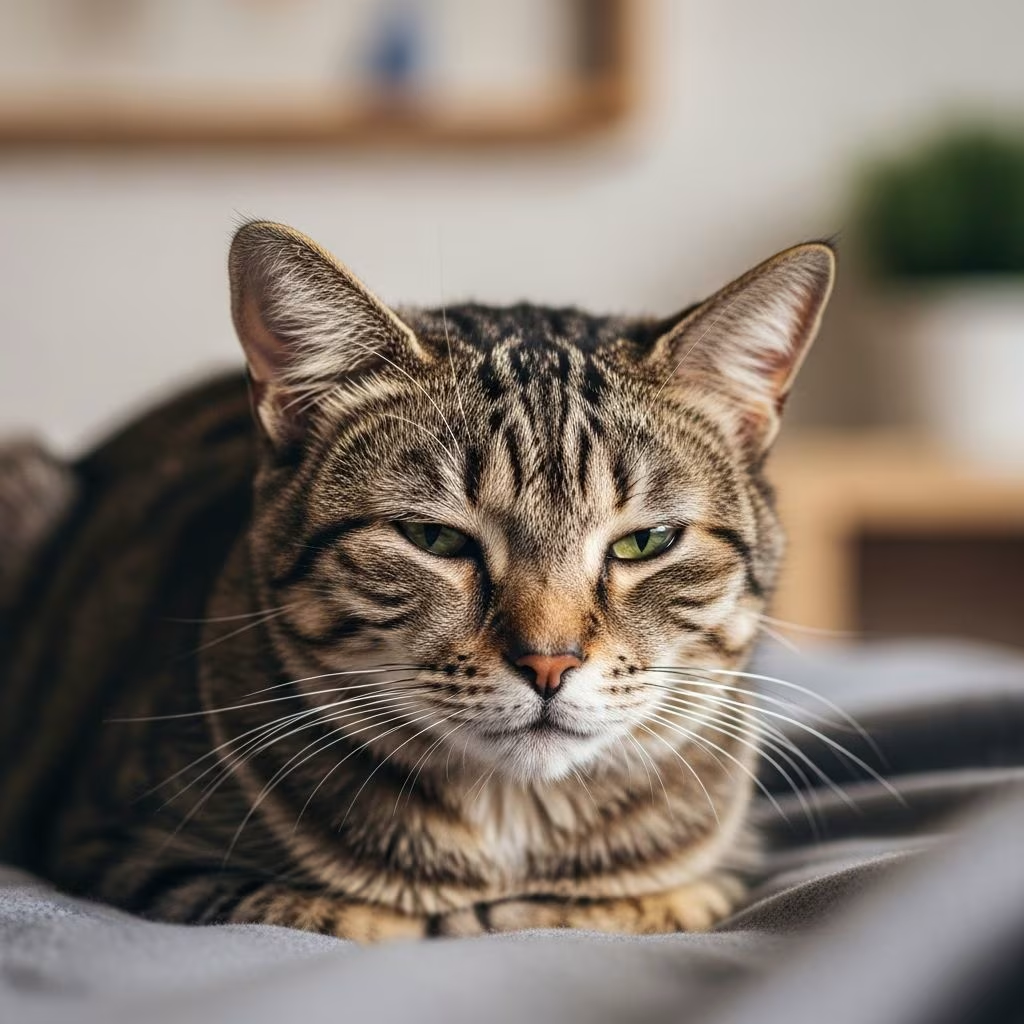
Clavamox, a widely prescribed antibiotic for cats, combines amoxicillin and clavulanate to combat bacterial infections effectively. While generally safe, it can cause side effects ranging from mild digestive disturbances to rare severe reactions. This guide details what cat owners need to know to ensure their pet’s well-being during treatment.
What Is Clavamox and Why Is It Prescribed for Cats?
Clavamox belongs to the penicillin-class antibiotics, enhanced by clavulanate potassium, which prevents bacterial resistance. Veterinarians commonly prescribe it for skin infections, urinary tract infections (UTIs), respiratory issues, and bite wounds in cats. Its broad-spectrum action targets a variety of bacteria, making it a go-to choice for feline infections.
The medication comes in chewable tablets, drops, or oral suspension, tailored to a cat’s weight and condition. Typical dosing is 62.5 mg to 125 mg every 12 hours, always administered with food to minimize stomach upset.
Common Gastrointestinal Side Effects
The most frequent side effects involve the digestive system, affecting up to a notable portion of cats on Clavamox. These typically resolve on their own or upon discontinuation under veterinary guidance.
- Vomiting: Often occurs shortly after dosing, linked to irritation of the stomach lining or disruption of gut flora.
- Diarrhea: Results from imbalance in beneficial gut bacteria, as the antibiotic affects both harmful and helpful microbes.
- Loss of Appetite: Cats may eat less, potentially leading to weight loss if prolonged, especially in seniors or those with underlying conditions.
To mitigate these, give Clavamox with a full meal. Probiotics may help restore gut balance, but consult your vet first. If symptoms persist beyond a day or two, contact your veterinarian, as untreated issues could worsen dehydration or nutrition.
Rare but Serious Allergic Reactions
Allergic responses to Clavamox are uncommon but can be life-threatening. They stem from sensitivity to amoxicillin, related to penicillin allergies. Symptoms may appear after any dose, even if prior treatments were tolerated, as sensitivities can develop over time.
| Symptom | Description | Action Required |
|---|---|---|
| Facial Swelling or Hives | Puffy face, ears, or raised welts on skin | Stop medication; seek emergency vet care |
| Rash or Itching | Redness, especially on ears or belly | Monitor closely; vet evaluation needed |
| Fever or Watery Eyes | Elevated temperature, excessive tearing | Immediate vet contact |
| Anaphylaxis | Difficulty breathing, collapse | Emergency intervention critical |
Avoid Clavamox in cats with known penicillin or cephalosporin allergies. Overdoses rarely cause toxicity but may exacerbate GI symptoms or lead to neurological issues like tremors in extreme cases.
Factors Influencing Side Effects in Cats
Not all cats experience issues; factors like age, health status, and dosage play key roles. Kittens and seniors are more prone to appetite loss, while cats with kidney problems may need adjusted dosing to prevent complications.
- Age and Size: Smaller or older cats may show heightened sensitivity.
- Pre-existing Conditions: Liver or kidney disease can prolong drug clearance, increasing side effect risk.
- Concurrent Medications: Interactions with other drugs may amplify effects; always disclose full history to your vet.
Long-term use, such as 2-week courses for UTIs or pneumonia, heightens GI risks but is often necessary to prevent recurrence or sepsis.
Safe Administration and Dosage Guidelines
Proper dosing minimizes risks. Standard protocol: 13.75 mg per pound of body weight every 12 hours for 5-14 days, depending on infection severity.
- Measure precisely using vet-provided tools.
- Administer with food or a treat to buffer the stomach.
- Complete the full course unless advised otherwise to avoid resistance.
- Store drops in refrigerator; discard after 10 days.
Monitor daily for changes in behavior, stool, or eating habits. Weigh your cat weekly if on extended therapy.
When to Contact Your Veterinarian
Don’t hesitate to call if side effects emerge. Key red flags include persistent vomiting (over 24 hours), bloody diarrhea, extreme lethargy, or any allergic signs. For non-emergencies like mild appetite loss, your vet might suggest anti-nausea meds, diet changes, or switching antibiotics.
Real-world examples: Cats on higher doses for UTIs may vomit initially but stabilize; others develop sudden puffiness signaling allergy, requiring steroids like prednisolone.
Alternatives to Clavamox for Sensitive Cats
If Clavamox proves unsuitable, vets may opt for other antibiotics:
- Amoxicillin alone for milder cases.
- Fluoroquinolones like enrofloxacin for resistant infections.
- Cephalexin for skin issues, though cross-allergy risks exist.
Probiotics (e.g., FortiFlora) or prebiotics can support gut health during any antibiotic course.
Preventing and Managing Long-Term Complications
Prolonged antibiotic use risks secondary issues like yeast overgrowth in ears or skin. Watch for itching or unusual odors. Hepatic lipidosis (fatty liver) can arise from severe appetite loss in cats, necessitating prompt intervention.
Post-treatment, encourage hydration and a high-quality diet to rebuild flora. Annual check-ups help catch sensitivities early.
Frequently Asked Questions (FAQs)
Can I give Clavamox without food?
No—always pair with meals to reduce nausea.
What if my cat vomits the dose?
Don’t redose immediately; wait 12 hours and consult your vet.
Is Clavamox safe for kittens?
Yes, with weight-based dosing, but monitor closely.
How long do side effects last?
Usually 1-2 days; persistent issues require vet attention.
Can overdosing cause seizures?
Rarely in massive amounts; contact poison control if suspected.
Key Takeaways for Cat Owners
Clavamox is effective but demands vigilance. By understanding side effects, dosing correctly, and communicating with your vet, you can help your cat recover swiftly with minimal discomfort.
References
- Clavamox for Cats: Overview, Dosage & Side Effects — cats.com. 2023. https://cats.com/clavamox-for-cats
- Clavamox® for Dogs and Cats: Medication — PetMD. 2024-01-15. https://www.petmd.com/pet-medication-clavamox-dogs-cats
- Amoxicillin/Clavulanate — JAM Veterinary Services. 2023. https://www.jamdvm.com/amoxicillin/clavulanate
- Clavamox for Cats — Side Effects & Dosage — Fetch Pet Insurance. 2024. https://www.fetchpet.com/the-dig/clavamox-for-cats
- How Clavamox® Treats Bacterial Infections in Dogs & Cats — Mixlab. 2023-11-20. https://mixlab.com/blog/clavamox-for-dogs-and-cats
- Amoxicillin for Cats: Usage, Dosage, and Side Effects — GoodRx. 2024-02-10. https://www.goodrx.com/pet-health/cat/amoxicillin-for-cats
- Amoxicillin-Clavulanic Acid — VCA Animal Hospitals. 2023. https://vcahospitals.com/know-your-pet/amoxicillin-clavulanic



