

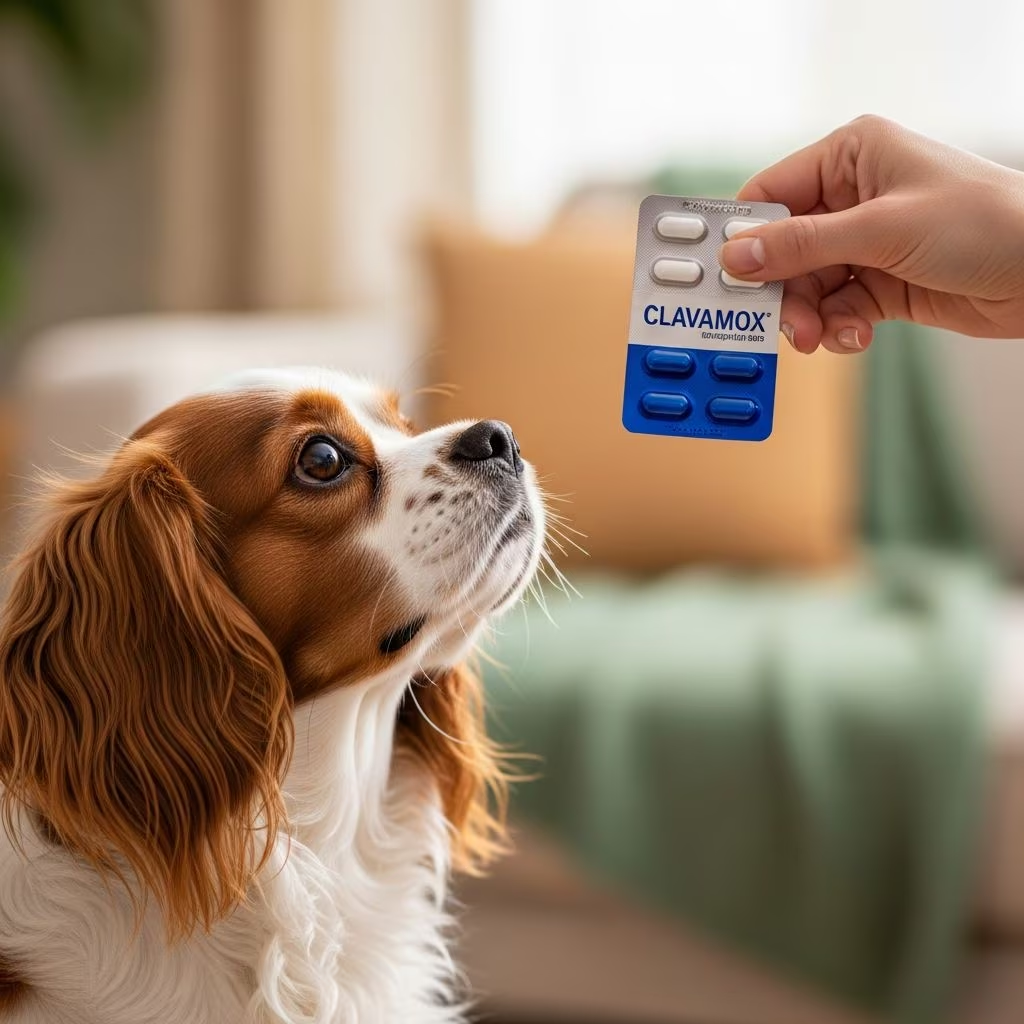
Clavamox stands out as a leading prescription antibiotic tailored for dogs and cats, combining amoxicillin trihydrate with clavulanic acid to tackle a wide array of bacterial infections. This duo empowers it to overcome bacterial resistance, making it a go-to choice for veterinarians treating everything from skin wounds to periodontal disease.
Understanding the Power Behind Clavamox
The core strength of Clavamox lies in its unique formulation. Amoxicillin, a semisynthetic penicillin derivative, disrupts bacterial cell wall synthesis, effectively killing susceptible bacteria. However, many bacteria produce beta-lactamase enzymes that neutralize amoxicillin. Clavulanic acid steps in as a beta-lactamase inhibitor, safeguarding the antibiotic and broadening its efficacy against resistant strains like Staphylococcus aureus, Streptococcus species, E. coli, and Pasteurella.
This combination targets both Gram-positive and Gram-negative bacteria, as well as aerobic and anaerobic types, providing comprehensive coverage for common pet infections. Developed specifically for veterinary use, Clavamox is FDA-approved and ranks as a top-recommended option by professionals.
Key Applications in Canine and Feline Health
Clavamox addresses multiple infection sites, proving versatile across pet species. Here’s a breakdown of its primary uses:
- Skin and Soft Tissue Infections: Ideal for wounds, abscesses, cellulitis, pyoderma, and dermatitis caused by susceptible bacteria. It’s particularly effective against persistent pyodermas in dogs.
- Dental and Periodontal Conditions: Treats gum disease, oral abscesses, and bone infections in the mouth, combating both aerobic and anaerobic oral bacteria.
- Respiratory Tract Issues: Manages pneumonia, bronchitis, sinusitis, and aspiration pneumonia, targeting pathogens like those in canine respiratory infections.
- Ear Infections (Otitis): Commonly prescribed for bacterial ear infections, a frequent problem in dogs.
- Urinary Tract Infections (UTIs): Effective against E. coli and other bacteria in feline and canine bladders.
- Bone and Deep Tissue Infections: Used for osteomyelitis and other deep-seated issues.
Veterinarians often perform bacterial cultures to confirm susceptibility, ensuring optimal results, especially with emerging resistances like MRSP.
Available Forms and Dosage Guidelines
Clavamox comes in user-friendly formats to suit different pets:
- Chewable Tablets: Flavored for palatability, dosed at 6.25 mg per pound of body weight, administered orally every 12 hours for 5-7 days or as prescribed.
- Oral Suspension (Drops): Liquid form for precise dosing, especially for smaller cats or picky eaters. Shake well before use and refrigerate after reconstitution.
Dosage varies by infection severity, pet size, and condition. For example, a 20-pound dog might receive 125 mg tablets twice daily. Always follow veterinary instructions precisely to avoid under- or overdosing.
| Pet Weight (lbs) | Typical Dose (mg) | Frequency | Form |
|---|---|---|---|
| Under 15 | 62.5 mg | Every 12 hours | Drops or small tablet |
| 15-40 | 125-250 mg | Every 12 hours | Chewable tablet |
| Over 40 | 375-500 mg | Every 12 hours | Larger tablet |
Note: These are general guidelines; consult your vet for personalized dosing.
Administering Clavamox Safely at Home
Give Clavamox with food to minimize stomach upset and enhance absorption, as it’s stable in gastric acid. Complete the full course even if symptoms improve to prevent resistance. Store tablets at room temperature and suspension in the fridge, discarding unused liquid after 10 days.
Monitor your pet closely during treatment. Improvement typically occurs within 48-72 hours. If no progress, contact your vet for re-evaluation, possibly including sensitivity testing.
Potential Side Effects and Precautions
While generally well-tolerated, Clavamox can cause mild gastrointestinal issues like vomiting, diarrhea, or appetite loss, often resolved by dosing with meals. Rare allergic reactions include hives, facial swelling, or difficulty breathing—seek emergency care immediately.
- Contraindications: Avoid in pets with penicillin allergies, history of cholestatic jaundice, or liver disease.
- Drug Interactions: Use caution with bacteriostatic antibiotics, probenecid, or warfarin.
- Special Populations: Safe for breeding, pregnant, or lactating pets under vet supervision; dose adjustments for kidney impairment.
Not effective against viral, fungal, or parasitic infections, nor certain resistant bacteria like Pseudomonas.
Comparing Clavamox to Other Antibiotics
| Antibiotic | Spectrum | Common Uses | Key Advantage |
|---|---|---|---|
| Clavamox | Broad (with beta-lactamase protection) | Skin, dental, UTI, respiratory | Overcomes resistance |
| Amoxicillin Alone | Broad but susceptible to beta-lactamase | Basic infections | Cheaper, simpler |
| Cephalexin | Gram-positive focus | Skin infections | Fewer GI effects |
| Enrofloxacin | Broad, Gram-negative | UTIs, respiratory | Once-daily dosing |
Clavamox excels in beta-lactamase-producing infections, but alternatives may suit specific cases.
Preventing Infections and Responsible Use
Proactive care reduces antibiotic needs: maintain dental hygiene, groom regularly, vaccinate, and control fleas/ticks. Responsible use combats antimicrobial resistance—never use human leftovers or share prescriptions.
Regular vet check-ups enable early detection. For chronic issues like recurrent pyoderma, investigate underlying causes like allergies.
Frequently Asked Questions (FAQs)
What if my pet vomits after a dose?
Redose only if the tablet/drop wasn’t fully absorbed (e.g., within 30 minutes). Otherwise, skip and give the next dose. Consult your vet.
Can Clavamox be used long-term?
Typically 5-14 days; extended courses require monitoring for side effects and resistance.
Is it safe for kittens or puppies?
Yes, with adjusted dosing, but confirm with a vet.
What bacteria is Clavamox ineffective against?
Enterobacter, Pseudomonas, and beta-lactamase-negative strains resistant to amoxicillin.
How quickly does it work?
Symptoms often improve in 2-3 days, but finish the course.
Expert Veterinary Perspectives
Vets emphasize Clavamox’s role as a cornerstone antibiotic, especially with rising resistances. Culture-guided therapy ensures efficacy, and pairing with probiotics mitigates gut issues. In 2025, it’s vital for staph-related skin infections and anaerobes in dental cases.
For best outcomes, integrate Clavamox into a holistic plan: nutrition, hygiene, and follow-ups.
References
- Clavamox for Dogs: All You Need to Know About This Antibiotic — Total Vet. 2023. https://total.vet/clavamox-for-dogs/
- Clavamox Oral Antibiotic for Dogs and Cats — PetCareRx. 2023. https://www.petcarerx.com/clavamox/10305
- Clavamox for Dogs: Uses, Side Effects, and Alternatives — American Kennel Club. 2023. https://www.akc.org/expert-advice/health/clavamox-for-dogs/
- Amoxicillin-Clavulanic Acid (Clavamox) for Pets in 2025 — Ask A Vet. 2025-01-01. https://askavet.com/blogs/news/amoxicillin-clavulanic-acid-clavamox-for-pets-in-2025-a-vet-s-guide-to-safe-effective-antibiotic-use-%F0%9F%90%B6%F0%9F%90%B1%F0%9F%92%8A
- Clavamox® for Dogs and Cats: Medication — PetMD. 2023. https://www.petmd.com/pet-medication-clavamox-dogs-cats
- How Clavamox® Treats Bacterial Infections in Dogs & Cats — Mixlab. 2023. https://mixlab.com/blog/clavamox-for-dogs-and-cats
- Clavamox® | For Animal Healthcare Professionals — Zoetis US. 2023. https://www.zoetisus.com/products/petcare/clavamox/



