

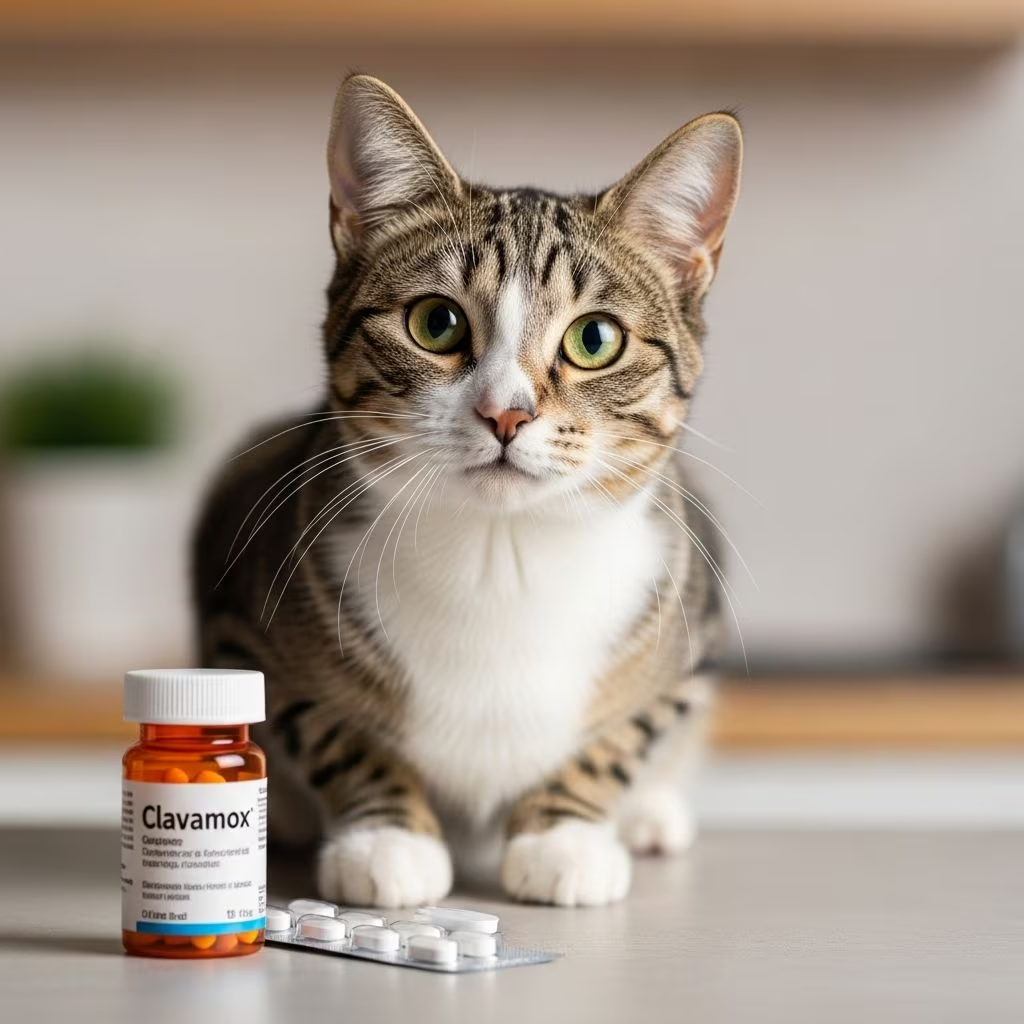
Clavamox stands as a widely prescribed antibiotic for feline patients, effectively targeting bacterial infections through its dual-component formula. This medication combines amoxicillin, a penicillin-class antibiotic, with clavulanic acid, which enhances efficacy against resistant strains. Pet owners often turn to it for managing common issues like skin wounds and urinary tract problems in cats.
What Is Clavamox and How Does It Work?
At its core, Clavamox disrupts bacterial cell wall formation, leading to the death of susceptible pathogens. The addition of clavulanic acid inhibits beta-lactamase enzymes produced by some bacteria, preventing them from breaking down the antibiotic. This synergy makes it suitable for treating a range of infections in cats.
Veterinarians recommend it for conditions where single antibiotics fall short, ensuring broader coverage. Available in chewable tablets and liquid drops, it caters to different administration preferences, always under professional guidance.
Common Infections Treated with Clavamox in Cats
- Skin and soft tissue infections: Including abscesses from fights, cellulitis, and dermatitis, typically resolving in 5-7 days.
- Urinary tract infections (UTIs): Often requiring 10-14 days of therapy to fully eradicate bacteria.
- Respiratory infections: Such as those causing upper airway issues, addressed promptly to prevent spread.
- Dental and periodontal problems: Helping combat gum infections linked to plaque buildup.
These applications highlight its versatility, but success depends on accurate diagnosis via veterinary tests like cultures.
Understanding Dosage Guidelines for Felines
The standard dosage for most cats is 62.5 mg (equivalent to 1 mL of drops) administered orally every 12 hours. This fixed amount suits average adult cats, regardless of minor weight variations, simplifying home use.
For precise calculations, especially in kittens or overweight cats, veterinarians may adjust based on body weight. A common formula is 6.25 mg per pound every 12 hours. Here’s a sample dosage table for reference:
| Cat Weight (lbs) | Approximate Dose (mg) | Frequency |
|---|---|---|
| Under 5 | 31.25 – 62.5 | Every 12 hours |
| 5-10 | 62.5 | Every 12 hours |
| 10-15 | 62.5 – 75 | Every 12 hours |
| Over 15 | Vet-adjusted | Every 12 hours |
Treatment durations vary: 5-7 days for skin issues or until 48 hours post-symptom resolution; up to 14 days for UTIs, never exceeding 30 days total. If no improvement occurs within 3 days, reevaluation is essential.
Step-by-Step Administration Tips
Administer Clavamox with food to minimize stomach upset and improve absorption. For drops, use a syringe for accuracy over the provided dropper, measuring precisely—e.g., 0.12 mL for a 2 lb kitten.
- Shake liquid forms well before drawing the dose.
- Place drops directly in the mouth or mix into wet food if palatable.
- For tablets, hide in pill pockets or tuna for reluctant eaters.
- Maintain 12-hour intervals; slight delays (up to 1 hour) are tolerable, but avoid longer gaps to prevent resistance.
Complete the full course even if symptoms vanish early, curbing bacterial resurgence.
Recognizing and Managing Side Effects
Most cats tolerate Clavamox well, but watch for gastrointestinal reactions like vomiting, diarrhea, or appetite loss, often mitigated by food co-administration. Allergic responses, though rare, manifest as facial swelling, hives, or breathing difficulty—seek emergency care immediately.
Other potential issues include:
- Lethargy or hyperactivity.
- Yeast overgrowth from disrupted gut flora.
- Kidney strain in predisposed cats, warranting bloodwork monitoring.
Report persistent effects to your vet; dose adjustments or alternatives like probiotics may help.
Precautions and Contraindications
Avoid Clavamox in cats with penicillin allergies or prior reactions to similar drugs. Use caution in those with liver/kidney disease, dehydration, or on certain medications like NSAIDs. Pregnant or nursing queens require vet approval due to limited safety data.
Never use human Augmentin as a substitute; concentrations differ, risking overdose or underdose. Community or feral cats benefit from it too, but adhere strictly to prescribed volumes.
When to Contact Your Veterinarian
Immediate consultation is needed if symptoms worsen, new issues arise, or treatment exceeds recommended limits. Regular check-ins ensure efficacy, especially for chronic cases like recurring dental infections.
Frequently Asked Questions (FAQs)
What if I miss a dose of Clavamox?
Give it promptly if remembered soon; otherwise, skip and resume schedule. Never double up.
Can I give Clavamox once daily instead of twice?
No—twice-daily dosing maintains therapeutic levels; once-daily risks failure and resistance.
Is Clavamox safe for kittens?
Yes, with weight-based dosing; recheck weight during long treatments as they grow.
How long does Clavamox take to work?
Improvement often seen in 2-3 days; full course prevents relapse.
Can Clavamox treat viral infections?
No, it’s for bacteria only; vets confirm via tests.
Alternatives to Clavamox for Cat Infections
If unsuitable, options include cephalexin for skin issues or enrofloxacin for UTIs, selected via sensitivity testing. Natural supports like probiotics aid recovery but don’t replace antibiotics.
References
- Clavamox Dosage Chart for Cats: Risks, Side Effects — A-Z Animals. 2023. https://a-z-animals.com/pets/cats/cat-facts/clavamox-dosage-chart-for-cats/
- Clavamox for Cats: Overview, Dosage & Side Effects — Cats.com. 2024. https://cats.com/clavamox-for-cats
- How much of Clavamox should I give a 12 lb cat? — DialAVet. 2023. https://www.dialavet.com/vet-answers/clavamox-dosage-12lb-cat-184064
- How Clavamox® Treats Bacterial Infections in Dogs & Cats — Mixlab. 2024. https://mixlab.com/blog/clavamox-for-dogs-and-cats
- CLAVAMOX® Drops — DailyMed (FDA). 2023-10-01. https://dailymed.nlm.nih.gov/dailymed/fda/fdaDrugXsl.cfm?setid=d342d015-0775-4f4a-98fe-e792b9895596
- Amoxicillin + Clavulanate for Dogs and Cats — PetPlace. 2022. https://www.petplace.com/article/drug-library/drug-library/library/amoxicillin-clavulanate-clavamox-augmentin-for-dogs-and-cats
- Clavamox® Drops – 62.5 mg – 15 mL — Zoetis Canada. 2024. https://www2.zoetis.ca/species/companion-animals/products-and-solutions/clavamox-drops-62-5-mg-15-ml



