

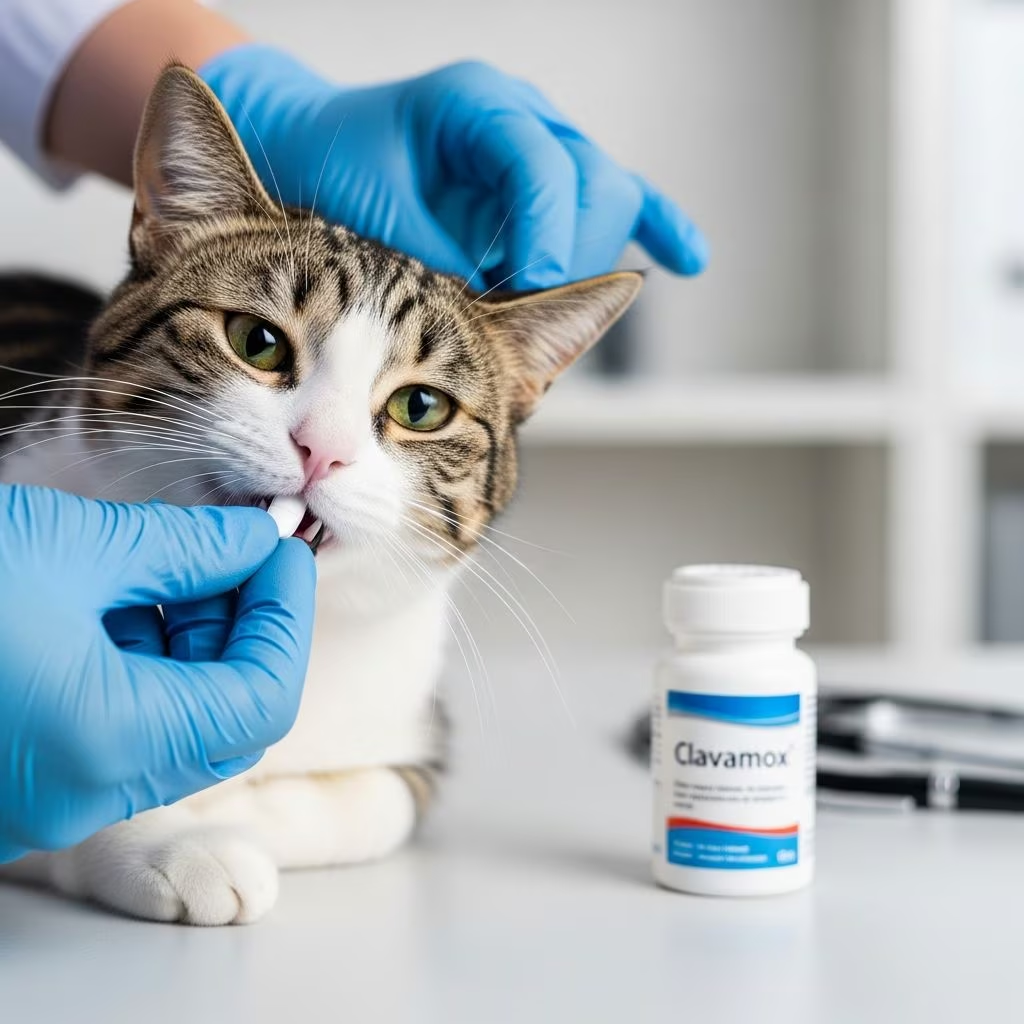
Clavamox, a potent combination of amoxicillin and clavulanic acid, stands as a cornerstone antibiotic for treating urinary tract infections (UTIs) in cats. This broad-spectrum medication targets bacterial culprits behind painful urination and bladder discomfort, offering reliable relief when prescribed by a veterinarian.
Understanding Feline Urinary Tract Infections
Urinary tract infections in cats often stem from bacterial overgrowth in the bladder or urethra, leading to inflammation known as cystitis. Unlike dogs, cats rarely develop simple UTIs; most cases tie into feline lower urinary tract disease (FLUTD), encompassing issues like crystals, stones, or stress-induced problems. Common triggers include concentrated urine from dehydration, poor diet, or underlying conditions like diabetes.
Symptoms manifest quickly: frequent trips to the litter box with little urine output, straining, blood-tinged urine, vocalizing in pain, or urinating outside the box. Male cats face higher risks of life-threatening blockages, demanding immediate veterinary intervention.
Why Clavamox Excels in UTI Treatment
Clavamox’s dual-action formula disrupts bacterial cell walls while the clavulanic acid blocks resistance enzymes, making it ideal for stubborn infections. Veterinarians favor it for uncomplicated UTIs, especially when cultures confirm susceptible bacteria like E. coli. It outperforms single-agent antibiotics in cases of mixed infections common in feline urinary issues.
- Broad efficacy: Covers gram-positive and gram-negative pathogens prevalent in cat bladders.
- Quick action: Symptoms often ease within 48 hours, though full courses last 7-14 days.
- Vet-preferred: Recommended for empirical therapy pending culture results in non-complicated cases.
Proper Dosage Guidelines for Cats
Veterinarians calculate Clavamox doses based on your cat’s weight, typically 12.5-25 mg per kg of body weight, given every 12 hours. Tablets come in 62.5 mg, 125 mg, 250 mg, and 375 mg strengths for precise tailoring. For a 4 kg cat, a standard dose might be half a 62.5 mg tablet twice daily.
| Cat Weight (kg) | Approx. Dose (mg every 12 hrs) | Tablet Example |
|---|---|---|
| 2-4 | 62.5 | 1 x 62.5 mg |
| 4-8 | 125 | 1 x 125 mg |
| 8-12 | 250 | 1 x 250 mg |
Always confirm with your vet; adjustments apply for kidney impairment or recurrent cases.
Administering Clavamox Safely at Home
Success hinges on consistent dosing. Hide tablets in pill pockets, wet food, or use a pill popper for direct administration. Liquid suspensions offer an alternative for finicky eaters, lasting 10 days refrigerated. Give with food to minimize stomach upset, and complete the full course even if symptoms vanish early to prevent resistance.
- Monitor intake: Crush tablets only if vet-approved, mixing into strong-smelling tuna.
- Timing: Space doses 12 hours apart for steady blood levels.
- Hydration boost: Pair with wet food or fountains to flush bacteria.
Expected Timeline for Recovery
Improvement typically begins in 1-2 days: less straining, normal urine volume. Full bacterial clearance takes 7 days for uncomplicated UTIs, extending to 4 weeks for complicated ones involving kidneys or stones. Recheck urine cultures 7 days post-treatment to confirm resolution.
Short courses (3-7 days) show promise in studies, matching longer ones without relapse risks, though vet guidance is key. Chronic cases may need pulsed therapy or diet changes.
Potential Side Effects and Precautions
Most cats tolerate Clavamox well, but watch for vomiting, diarrhea, or lethargy—common in 10% of cases. Rare allergic reactions include facial swelling or breathing issues; seek emergency care immediately. Avoid in cats with penicillin allergies or severe liver disease.
- Gut impact: Probiotics can restore flora balance.
- Kidney caution: Dose reductions for impaired function.
- Pregnancy: Use only if benefits outweigh risks.
Supportive Therapies Alongside Antibiotics
Clavamox pairs best with multimodal care. Prescription urinary diets dissolve struvite crystals and acidify urine, reducing recurrence. Pain relievers like buprenorphine ease discomfort, while anti-spasmodics relax the bladder.
Environmental enrichment combats stress, a FLUTD trigger: provide multiple boxes, pheromone diffusers, and playtime. Hydration is paramount—aim for 50-70 ml/kg daily via broths or fountains.
Preventing Future UTIs in Your Cat
Proactive steps slash recurrence by 50%. Switch to canned food permanently, as dry kibble concentrates urine. Annual urinalyses catch issues early, especially in seniors or diabetics.
- Weight management: Obesity stresses the urinary system.
- Litter habits: Scoop daily; offer low-sided boxes for arthritic cats.
- Water tricks: Flavored fountains or ice cubes entice drinkers.
When to Seek Emergency Veterinary Help
Rush to the ER if your cat strains without producing urine, cries excessively, or collapses—signs of obstruction. Untreated blockages cause kidney failure in 24-48 hours. Post-treatment, revisit if symptoms persist beyond 72 hours or return within weeks.
FAQs on Clavamox and Cat UTIs
Q: Can I use human amoxicillin for my cat’s UTI?
A: No—human formulations lack clavulanate and proper dosing, risking inefficacy or toxicity. Vet-prescribed Clavamox is essential.[10]
Q: How long until Clavamox works for cat UTI?
A: Pain relief in 1-2 days; complete resolution in 7-14 days with full adherence.
Q: Is Clavamox safe for kittens?
A: Yes, from 8 weeks with weight-based dosing; consult your vet.
Q: What if my cat vomits after Clavamox?
A: Give with food or switch to liquid; notify vet if persistent.
Q: Can diet alone cure cat UTIs?
A: No—antibiotics target bacteria; diet supports prevention.[10]
Holistic Recovery Plan Post-Treatment
After Clavamox, transition to urinary health diets like Hill’s c/d or Royal Canin Urinary SO. Track litter output, weighing urine-soaked pads if needed. Stress reduction via Feliway and routine play prevents idiopathic cystitis flares.
Follow-up cultures guide long-term plans; recurrent UTIs may signal stones needing imaging or surgery like perineal urethrostomy as a last resort. With vigilant care, most cats enjoy UTI-free lives.
References
- Cat UTI Medicine: Cat Urinary & Kidney Treatment — Chewy.com. 2023. https://www.chewy.com/b/cat-uti-medicine-11616
- Use of Antibiotics for Treating UTIs in Dogs and Cats — Today’s Veterinary Practice. 2022-10-01. https://todaysveterinarypractice.com/pharmacology/antibiotic-use-urinary-tract-infections-dogs-cats/
- Cystitis and Lower Urinary Tract Disease in Cats — VCA Animal Hospitals. 2024. https://vcahospitals.com/know-your-pet/cystitis-and-lower-urinary-tract-disease-in-cats
- Feline Lower Urinary Tract Disease — Cornell University College of Veterinary Medicine. 2023. https://www.vet.cornell.edu/departments-centers-and-institutes/cornell-feline-health-center/health-information/feline-health-topics/feline-lower-urinary-tract-disease
- UTIs in Cats (Urinary Tract Infections in Cats) — PetMD. 2024-01-15. https://www.petmd.com/cat/conditions/urinary/utis-cats-urinary-tract-infections-cats



