

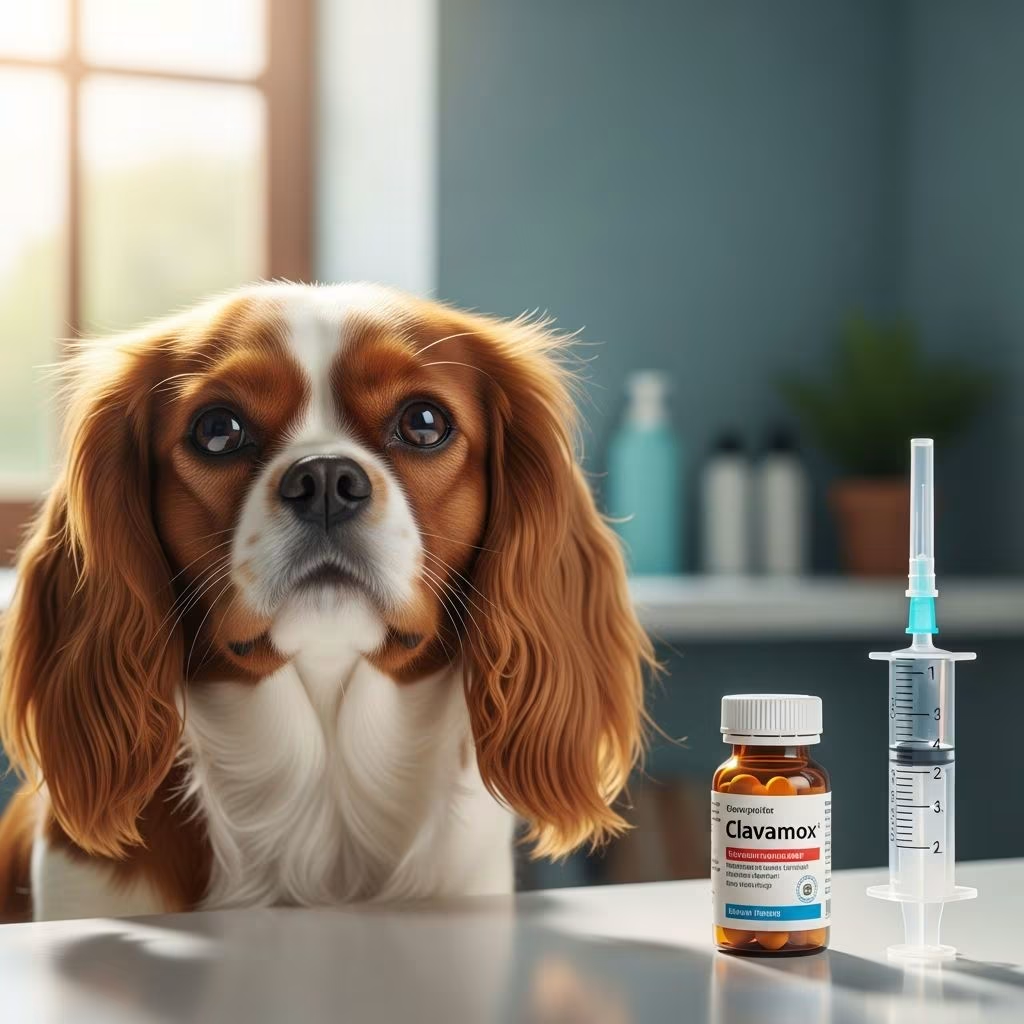
Urinary tract infections (UTIs) represent one of the most frequent bacterial conditions affecting dogs, often requiring targeted antibiotic therapy like Clavamox to restore urinary health and prevent complications. This article delves into the role of Clavamox, a combination of amoxicillin and clavulanic acid, in managing canine UTIs, drawing from established veterinary protocols.
Understanding Urinary Tract Infections in Canines
Canine UTIs occur when bacteria, primarily Escherichia coli, ascend the urinary system, leading to inflammation in the bladder, urethra, or kidneys. Female dogs face higher risks due to their shorter urethras, while underlying issues like diabetes or bladder stones can exacerbate infections. Early recognition of symptoms such as frequent urination, straining, blood in urine, or lethargy is crucial for prompt intervention.
The Science Behind Clavamox Effectiveness
Clavamox combines amoxicillin, a beta-lactam antibiotic, with clavulanic acid, a beta-lactamase inhibitor that counters bacterial resistance mechanisms. This synergy broadens its spectrum against common UTI pathogens, including gram-positive and gram-negative bacteria, making it suitable for uncomplicated cases. Veterinary guidelines highlight its reliability when urine culture confirms susceptibility.
Diagnostic Steps Before Prescribing Clavamox
Accurate diagnosis precedes treatment. Veterinarians perform urinalysis to detect bacteria, white blood cells, and crystals, followed by urine culture and sensitivity testing via cystocentesis for precision. This identifies the ideal antibiotic, avoiding empirical choices that foster resistance. Imaging or bloodwork may uncover complicating factors like pyelonephritis.
Standard Dosing Protocols for Clavamox in Dogs
Dosage typically ranges from 12.5 to 25 mg/kg of body weight, administered orally every 12 hours, tailored to infection severity and location. For a 10 kg dog, this equates to roughly 125-250 mg twice daily. Treatment duration varies: 3-5 days for simple cystitis, up to 10-14 days for upper tract involvement, and 4 weeks for complicated cases.
| Dog Weight (kg) | Dose per Administration (mg) | Frequency | Duration Example |
|---|---|---|---|
| 5-10 | 62.5-250 | Every 12 hours | 5-14 days |
| 10-20 | 125-500 | Every 12 hours | 5-14 days |
| 20-40 | 250-1000 | Every 12 hours | 5-14 days |
Note: Always follow vet-prescribed amounts; adjustments needed for renal impairment.
Expected Outcomes and Monitoring During Therapy
Most dogs show improvement within 48-72 hours, with reduced straining and clearer urine. Follow-up urinalysis 7-14 days post-treatment confirms clearance. Persistent signs warrant culture recheck to adjust therapy. Supportive measures like increased water intake and pain relief with NSAIDs enhance recovery, pending organ function checks.
Potential Side Effects and Safety Considerations
Common reactions include vomiting, diarrhea, or appetite loss, often mild and transient. Rare allergic responses manifest as hives or facial swelling, requiring immediate cessation. Avoid in penicillin-allergic dogs or those with severe liver disease. Probiotics may mitigate gut flora disruption.
- Gastrointestinal upset: Most frequent, managed with food administration.
- Allergic reactions: Stop drug and seek emergency care.
- Resistance risk: Limit use to culture-guided cases.
Addressing Recurrent or Complicated UTIs with Clavamox
Recurrent UTIs, defined as two or more within six months, demand investigation of predicates like uroliths or endocrine disorders. Clavamox serves as initial therapy while awaiting cultures, with fluoroquinolones considered for prostatitis due to prostate penetration. Long-term strategies include urinary acidifiers or special diets. Pyelonephritis requires 10-14 days or more, often IV initially.
Preventive Strategies to Reduce UTI Incidence
Proactive care minimizes recurrences. Encourage frequent urination, provide moist diets, and maintain hygiene. For at-risk breeds like Dalmatians, prescription urinary diets dissolve struvite stones. Annual wellness exams with urinalysis detect subclinical issues early. Avoid unnecessary antibiotics to preserve efficacy.
Alternatives to Clavamox for Canine UTIs
When Clavamox proves unsuitable, options include trimethoprim-sulfamethoxazole for uncomplicated cases or cephalexin. Fluoroquinolones target resistant gram-negatives, reserved for cultures confirming need. Aminoglycosides suit hospitalized patients. Selection hinges on sensitivity results.
| Antibiotic | Best For | Duration |
|---|---|---|
| Clavamox | Uncomplicated cystitis | 3-7 days |
| Trimethoprim-sulfa | Simple lower UTI | 7-14 days |
| Fluoroquinolones | Complicated/prostatitis | 10-28 days |
When to Seek Immediate Veterinary Attention
Rush to the vet if your dog exhibits fever, vomiting, back pain, or collapses, signaling possible sepsis or kidney involvement. Blood-tinged urine alone may not alarm, but combined symptoms do.
FAQs on Clavamox and Dog UTIs
What are the first signs of a UTI in my dog?
Frequent small urinations, accidents indoors, straining, or discolored urine signal infection.
How long does Clavamox take to work?
Relief often begins in 2-3 days, full resolution by treatment end.
Can I give Clavamox without a vet prescription?
No; requires diagnosis to prevent resistance and ensure safety.
Is Clavamox safe for puppies or seniors?
Yes, with dose adjustments; consult vet for breed/size specifics.
What if symptoms persist after Clavamox?
Recheck with culture; may indicate resistance or complication.
Holistic Support Alongside Antibiotic Therapy
Complement Clavamox with cranberry extracts for adhesion prevention, though evidence varies. Hydration via fountains boosts flushing. Omega-3s reduce inflammation.
In summary, Clavamox stands as a cornerstone in canine UTI management when guided by diagnostics, promoting swift recovery while curbing resistance.
References
- A pet owner’s guide to urinary tract infections in dogs — Vetster. 2023. https://vetster.com/en/wellness/a-pet-owner-s-guide-to-urinary-tract-infections-in-dogs
- Antimicrobial stewardship and zoonoses — Canadian Veterinary Medical Association. 2022. https://www.canadianveterinarians.net/media/rhvhkpea/antimicrobial-stewardship-and-zoonoses.pdf
- ISCAID Guidelines & management of bacterial urinary tract infections (Part 1) — VetGirl on the Run. 2023. https://vetgirlontherun.com/podcasts/iscaid-guidelines-bacterial-uti-part1-vetgirl-veterinary-podcasts/
- Use of Antibiotics for Treating UTIs in Dogs and Cats — Today’s Veterinary Practice. 2022. https://todaysveterinarypractice.com/pharmacology/antibiotic-use-urinary-tract-infections-dogs-cats/
- Antimicrobial Use Guidelines for Treatment of Urinary Tract Disease — PMC (NCBI). 2011. https://pmc.ncbi.nlm.nih.gov/articles/PMC3134992/
- ISCAID Urinary Guidelines 2019 — NDSU Veterinary Diagnostic Lab. 2022. https://www.vdl.ndsu.edu/wp-content/uploads/2022/02/ISCAID-Urinary-Guidelines-2019.pdf
- Pharmacotherapeutics in Bacterial Urinary Tract Infections in Animals — Merck Veterinary Manual. 2023. https://www.merckvetmanual.com/pharmacology/systemic-pharmacotherapeutics-of-the-urinary-system/pharmacotherapeutics-in-bacterial-urinary-tract-infections-in-animals



