

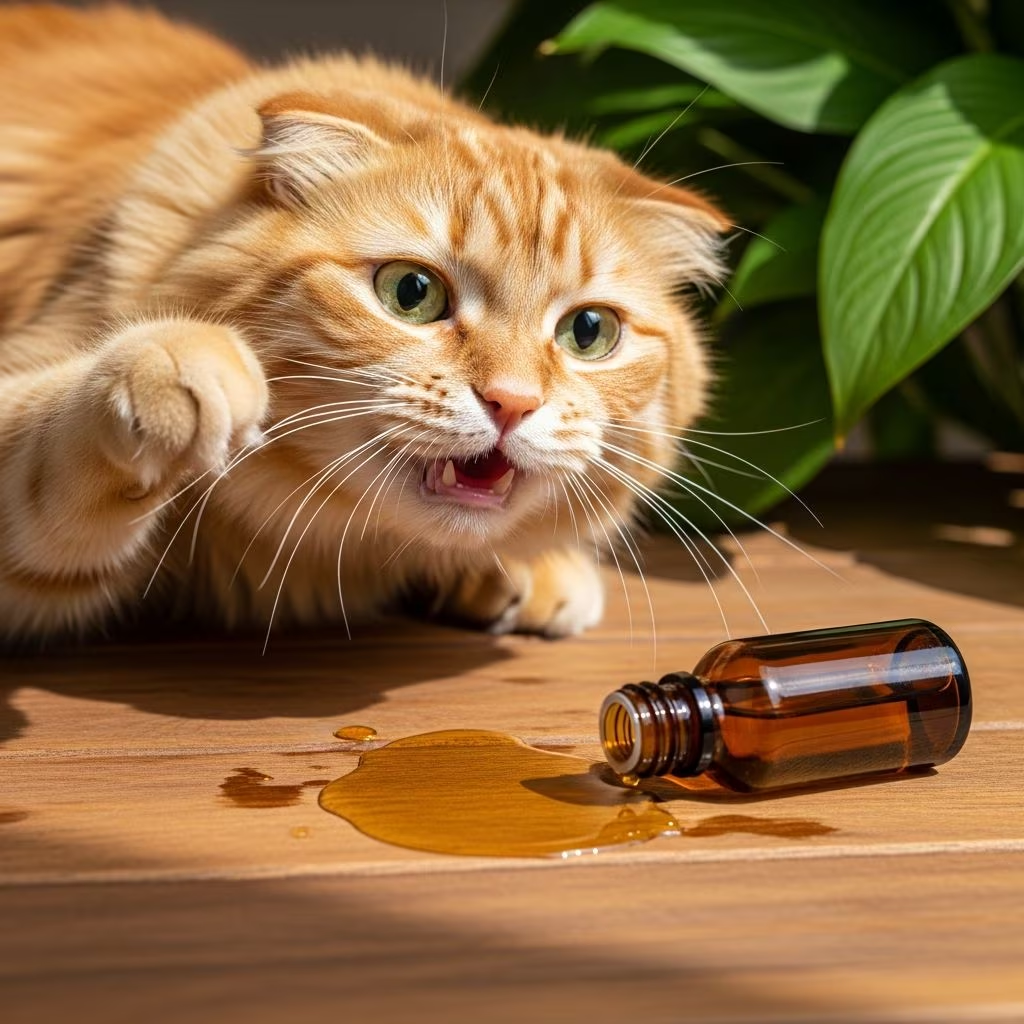
Citronella oil offers a natural, aromatic solution for keeping cats away from unwanted areas like gardens, yards, and indoor spaces. Derived from lemongrass plants, this essential oil emits a strong citrusy scent that many cats find unpleasant, prompting them to avoid treated zones without physical harm.
Why Cats Dislike Citronella’s Scent
Cats possess an acute sense of smell, roughly 14 times stronger than humans, making them highly sensitive to potent odors. Citronella’s sharp, lemon-like aroma overwhelms their olfactory receptors, creating an invisible barrier. This reaction stems from cats’ evolutionary instincts to steer clear of unfamiliar or irritating smells associated with potential threats. Unlike synthetic chemicals, citronella works subtly by disrupting comfort rather than causing pain.
Studies on natural repellents indicate that scent-based deterrents like essential oils can reduce cat intrusions by up to 50% in treated areas when applied consistently. For instance, motion-activated devices paired with scents enhance efficacy, as cats learn to associate the area with discomfort.
Safe Preparation of Citronella Solutions
To create an effective repellent, dilute citronella oil properly to avoid irritation. Mix 10-15 drops of pure citronella essential oil with one cup of water and a teaspoon of mild dish soap, which acts as an emulsifier. Shake vigorously in a spray bottle before each use.
- Basic Spray Recipe: 15 drops citronella, 1 cup water, 1 tsp castile soap.
- Enhanced Version: Add 5 drops peppermint oil for amplified effect.
- Granule Alternative: Soak cotton balls in undiluted oil and bury shallowly in soil.
Always perform a patch test on plants or fabrics to ensure no discoloration occurs. Store mixtures in dark glass bottles away from sunlight to preserve potency.
Application Strategies for Outdoor Spaces
Target high-traffic cat zones such as garden beds, patios, and trash areas. Spray liberally on fences, planters, and ground covers every 2-3 days, or after rain. For persistent visitors, reapply daily during peak cat activity at dawn and dusk.
| Area | Frequency | Tips |
|---|---|---|
| Gardens/Flower Beds | Every 2 days | Spray soil and surrounding mulch |
| Yards/Patios | Daily if raining | Focus on perimeters and lounging spots |
| Trash Bins | After each emptying | Wipe rims and base thoroughly |
Combine with physical barriers like chicken wire embedded in soil to prevent digging, boosting overall success rates.
Indoor Uses and Precautions
Inside homes, use citronella sparingly to protect furniture and countertops from scratching or lounging. Mist diluted solution on rugs, curtains, or scratch posts, ensuring good ventilation. Avoid direct application on pets or near food bowls.
- Ventilate rooms post-application to prevent respiratory irritation.
- Test on small areas first for colorfastness.
- Never ingest or apply undiluted to skin.
For multi-pet households, monitor reactions as some cats may tolerate the scent better than others.
Potential Risks and Safety Measures
While generally safe, excessive exposure can cause mild skin or eye irritation in cats. Dilution is key; concentrations over 5% may lead to drooling or pawing at the mouth if cats brush against wet surfaces. Keep treated items inaccessible until dry.
Consult a veterinarian if a cat shows signs of distress, such as lethargy or vomiting. Pregnant cats or kittens under 6 months require extra caution due to sensitive systems.
Enhancing Effectiveness with Complementary Methods
Single deterrents often wane as cats habituate, so layer approaches for lasting results. Pair citronella with:
- Motion Sprinklers: Startles with water bursts, achieving 79% satisfaction in user tests.
- Ultrasonic Devices: Emit 20-60 kHz sounds inaudible to humans; University of Lincoln study showed significant garden entry reductions.
- Texture Barriers: Pinecones or plastic mats discourage digging.
Remove attractants like food scraps or soft soil to reinforce deterrence.
Comparing Citronella to Other Natural Repellents
| Repellent | Pros | Cons | Effectiveness |
|---|---|---|---|
| Citronella Oil | Natural, affordable, pleasant for humans | Needs frequent reapplication | High short-term |
| Peppermint Oil | Strong scent, versatile | Can harm plants | Medium-high |
| Citrus Peels | Free, eco-friendly | Short-lived, messy | Medium |
| Coffee Grounds | Doubles as fertilizer | Weak against bold cats | Low-medium |
Citronella excels in scent intensity but pairs best with motion tech for persistence.
User Experiences and Long-Term Success
Gardeners report 60-75% reduction in cat visits within weeks when combining scents with barriers. Budget options like DIY sprays rival pricier ultrasonics initially, though premium water sprays lead at 79% efficacy. Consistency proves pivotal; sporadic use drops results to under 40%.
Frequently Asked Questions
Is citronella oil toxic to cats?
When diluted and used externally, it’s non-toxic but avoid ingestion. Symptoms are rare and mild.
How long does citronella repellent last?
2-3 days outdoors; reapply after watering or rain.
Can I use citronella around dogs?
Dogs tolerate it better, but dilute similarly and observe reactions.
Does citronella repel other animals?
Effective against some pests like mosquitoes; less so for dogs or rodents.
What if cats ignore the spray?
Combine with ultrasonics or sprinklers; remove food sources.
DIY Recipes for Custom Blends
Garden Guard Spray: 20 drops citronella, 10 drops eucalyptus, 2 cups water, 1 tbsp vinegar. Spray weekly.
Indoor Freshener: 5 drops citronella, 1 cup witch hazel. Mist fabrics lightly.
These blends extend coverage and vary scents to prevent habituation.
Sustainable Sourcing and Storage
Opt for organic citronella from reputable suppliers to minimize pesticides. Store in cool, dark places; shelf life is 1-2 years. Reuse spray bottles to reduce waste.
Integrating citronella into a broader strategy transforms problem areas into cat-free zones humanely and affordably.
References
- Cat Deterrents – Budget v Premium — Cat Repellent Guide. 2023. https://catrepellentguide.com/cat-deterrent-budget-v-premium/
- Ultrasonic cat deterrent reviews — Sonic Barrier. 2024-06-15. https://sonic-barrier.us/blogs/cats/ultrasonic-cat-deterrent-reviews
- The Ultimate Guide to Choosing the Best Cat Deterrent for Your Garden — Innovfactory. 2024. https://innovfactory.com/the-ultimate-guide-to-choosing-the-best-cat-deterrent-for-your-garden/
- Humane & Natural Stray & Feral Cat Deterrents & Repellents — Alley Cat Allies. 2023-10-01. https://www.alleycat.org/community-cat-care/humane-deterrents/
- Best and worst cat repellents compared — Which?. 2024-05-20. https://www.which.co.uk/reviews/cat-repellents/article/cat-repellents-compared-aahw10k56Tc8



