

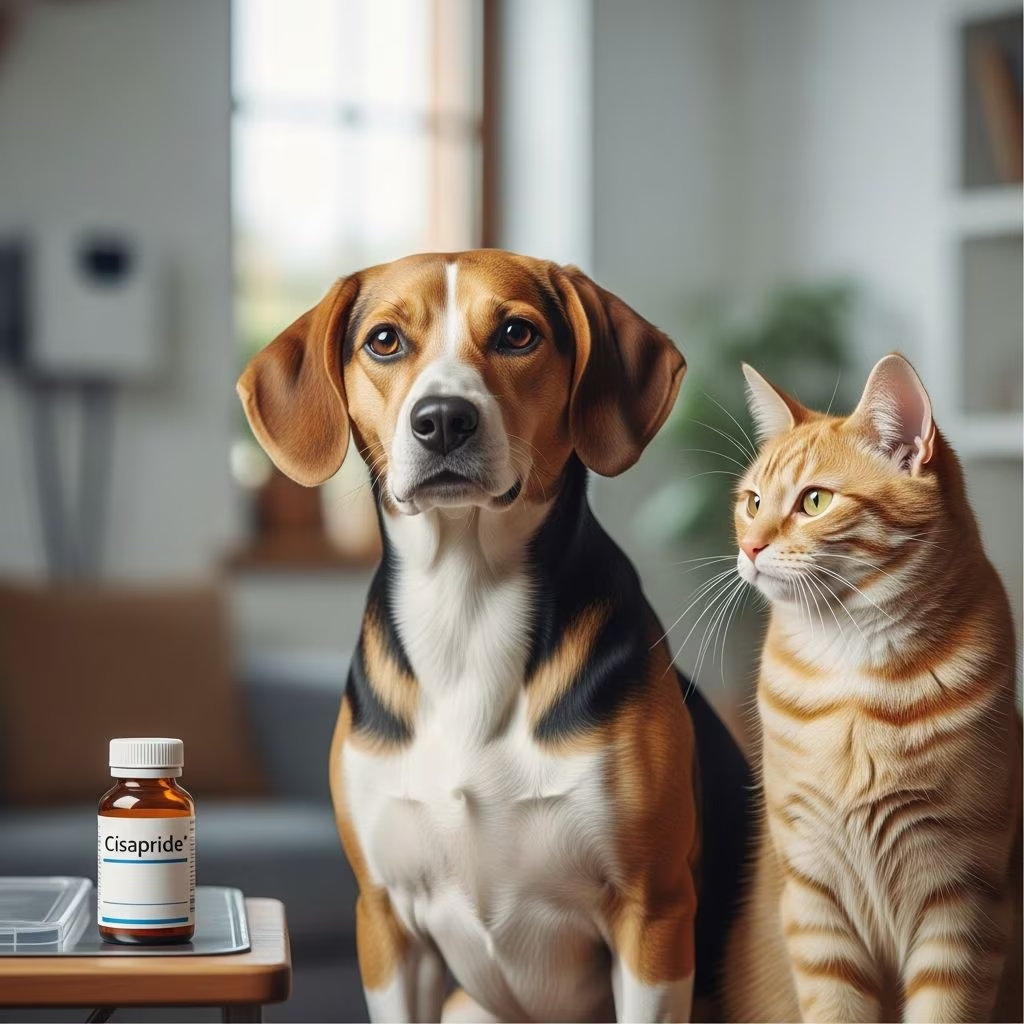
Cisapride for Pets: A Comprehensive Guide to Treatment
Cisapride is a prokinetic medication commonly prescribed by veterinarians to treat gastrointestinal motility disorders in companion animals. This medication works by stimulating the muscles of the digestive tract to contract in coordinated, wave-like movements, helping food and other substances move through the stomach and intestines more effectively. Originally developed for use in humans, cisapride has proven valuable in veterinary medicine for treating various digestive conditions in dogs, cats, and other small mammals.
What is Cisapride?
Cisapride is a dopamine antagonist and serotonin agonist that enhances gastric motility by stimulating the brain to release chemicals responsible for contracting smooth stomach muscles. The medication facilitates the movement of food through the gastrointestinal tract, making it particularly useful for pets experiencing digestive slowdown or related complications. Unlike some other gastrointestinal medications, cisapride directly targets the underlying motility issue rather than merely addressing symptoms.
Key Characteristics of Cisapride
Cisapride possesses several important characteristics that distinguish it from other gastrointestinal medications. It is a short-acting medication that typically stops working within 24 hours, although this timeframe may be extended in pets with liver or kidney disease. The medication is not commercially available in the United States and must be compounded by specialized pharmacies. Research demonstrates that cisapride is more effective than metoclopramide hydrochloride at increasing lower esophageal sphincter resting pressure, making it particularly valuable for certain conditions.
Uses and Clinical Applications
Veterinarians prescribe cisapride for multiple gastrointestinal conditions affecting companion animals. Understanding the specific applications helps pet owners recognize when their veterinarian might recommend this medication.
Primary Uses of Cisapride
Constipation Management: Cisapride is frequently prescribed to alleviate constipation in dogs, cats, and other small mammals. By promoting normal muscular contractions in the colon, the medication helps restore regular bowel function in pets experiencing difficulty with defecation. This application is especially valuable in senior animals or those with chronic digestive issues.
Acid Reflux Treatment: The medication effectively prevents and treats gastroesophageal reflux disease (GERD) by strengthening the lower esophageal sphincter and promoting more efficient stomach emptying. Pets experiencing acid reflux symptoms may benefit from cisapride therapy to reduce discomfort and improve overall digestive health.
Megacolon Treatment: Because cisapride promotes colonic motility, it can successfully treat megacolon in dogs—a condition characterized by an abnormally enlarged colon that fails to contract effectively. This therapeutic use has proven particularly effective in managing this challenging digestive disorder.
Pre-anesthesia Administration: Veterinarians sometimes prescribe cisapride to dogs going under anesthesia to prevent acid reflux and associated complications during surgery or other procedures requiring sedation.
How Cisapride Works
Cisapride functions through a dual mechanism of action on the nervous system. The medication acts as a dopamine antagonist while simultaneously functioning as a serotonin agonist. This combination of effects stimulates the release of neurochemicals that coordinate smooth muscle contractions throughout the gastrointestinal tract. Rather than forcefully moving food through the digestive system, cisapride restores the natural, wave-like muscular contractions (peristalsis) that normally propel food from the stomach through the intestines.
Dosage and Administration
Proper dosing of cisapride is essential for ensuring therapeutic effectiveness while minimizing the risk of adverse effects. Dosage varies based on the pet’s species, weight, and specific condition being treated. Pet owners must strictly follow their veterinarian’s dosing instructions and should never adjust doses without professional guidance.
Important Dosing Guidelines
Cisapride is typically administered orally several times daily, with specific dosing frequency determined by the veterinarian. If a dose is missed, pet owners should administer it at the next scheduled time and return to the regular dosing schedule. Never give your pet two doses at once or provide extra doses to make up for a missed administration. Overdose risks are significant, with severe clinical signs reported at acute exposures as low as 18 mg per kg, and doses of 640 mg/kg reported to be lethal in dogs.
Possible Side Effects
While cisapride is generally well-tolerated in companion animals, side effects can occur, particularly at high doses. Pet owners should be aware of both common and serious potential adverse effects and know when to contact their veterinarian.
Common Side Effects
Most pets tolerate cisapride with minimal complications. The most frequently reported side effects include:
- Vomiting
- Diarrhea
- Abdominal pain or discomfort
- Gastrointestinal cramping
- Hives or allergic skin reactions
These mild side effects typically resolve on their own and do not usually require discontinuation of the medication. However, pet owners should monitor their animals and report any persistent or bothersome symptoms to their veterinarian.
Serious Side Effects
More serious adverse effects may indicate excessively high doses and warrant immediate veterinary attention. These include:
- Incoordination or ataxia
- Excessive drooling
- Muscle twitches or tremors
- Agitation or abnormal behavior
- Increased body temperature or fever
- Seizures
- Disorientation
- Aggression
- Changes in heart rhythm
If your pet experiences any of these symptoms while receiving cisapride, contact your veterinarian immediately or seek emergency veterinary care. Although cisapride was withdrawn from the human market due to potential heart rhythm abnormalities, these complications have not been commonly observed in dogs or cats receiving the medication.
Drug Interactions with Cisapride
Cisapride can interact with numerous other medications, potentially altering their effectiveness or increasing adverse effects. Pet owners must inform their veterinarian about all medications and supplements their pet is currently receiving before starting cisapride therapy.
Notable Drug Interactions
Effects on Medication Absorption: Cisapride speeds up stomach emptying and may affect the absorption of other oral medications, including cyclosporine and tetracyclines. Medications with narrow safety margins, such as digoxin, theophylline, and warfarin, require careful monitoring when used concurrently with cisapride.
Cholinergic Drugs: Cholinergic agents such as bethanechol may increase cisapride’s effects on the gastrointestinal system, potentially causing excessive motility or other complications.
Central Nervous System Depressants: Cisapride may intensify the central nervous system-depressant effects of phenothiazine tranquilizers, sedatives, narcotics, barbiturates, antihistamines, and anesthetic agents.
Cardiac and Metabolic Interactions: Cisapride should not be used concurrently with azole antifungal drugs or erythromycin due to increased risk of cardiac effects. Acute hypotension may occur when cisapride is used intravenously with anesthetic drugs, while hypertension may develop with concurrent use of monoamine oxidase (MAO) inhibitors.
Precautions and Contraindications
Certain conditions and circumstances warrant careful consideration before administering cisapride, or may contraindicate its use entirely.
When Cisapride Should Not Be Used
Cisapride should not be prescribed to pets with known allergies to the medication. Additionally, prokinetic drugs like cisapride should be avoided in animals with conditions where increased gastrointestinal motility may cause harm, including:
- Mechanical bowel obstruction
- Intestinal impaction
- Risk of gastrointestinal perforation
- Active gastrointestinal bleeding or hemorrhage
- Intestinal blockage or obstruction
Special Considerations for Specific Conditions
Liver Disease: The dose of cisapride should be reduced in animals with decreased liver function, as the medication is metabolized through the hepatic system. However, elimination of cisapride is not significantly influenced by decreased renal function, so standard dosing may be appropriate for animals with kidney disease.
Cardiac Abnormalities: Animals with cardiac arrhythmias or conduction disorders may require additional monitoring during cisapride therapy. Veterinarians should carefully evaluate the risk-benefit profile before prescribing this medication to pets with known heart conditions.
Pregnancy and Lactation: High doses of cisapride were found to decrease fertility and increase embryonic losses in laboratory animals. Cisapride is excreted in milk and should be used during pregnancy or lactation only when the benefits clearly outweigh the risks. Veterinarians must carefully weigh therapeutic necessity against potential reproductive effects before prescribing to pregnant or nursing animals.
Managing Cisapride Overdose
Accidental overdose of cisapride requires immediate veterinary attention. Pet owners who suspect their pet has received an excessive dose should contact their veterinarian, seek emergency veterinary care, or call an animal poison control center immediately.
Overdose Symptoms
Signs of cisapride overdose are similar to but more severe than typical side effects and may include:
- Lethargy or excessive sedation
- Severe diarrhea
- Muscle tremors and fasciculations
- Severe incoordination and ataxia
- Abnormal or aggressive behavior
- High fever
- Seizures
Overdose Treatment
It is unlikely that an oral overdose of cisapride will cause death. Overdose treatment is largely symptomatic and supportive. Activated charcoal is effective in reducing plasma cisapride levels when administered promptly. Anticholinergic agents, such as diphenhydramine, may be used to decrease central nervous system effects. Veterinarians provide supportive care based on the pet’s specific symptoms and response to treatment.
Emergency Contact Information
In case of suspected overdose, contact:
- Pet Poison Helpline: 1-855-764-7661
- ASPCA Animal Poison Control: 1-888-426-4435
Storage and Handling
Cisapride must be stored according to pharmacy instructions, typically at room temperature away from moisture and heat. Keep the medication in its original container with the label intact. Never transfer cisapride to different containers or leave it accessible to children or other animals. If the medication expires or is no longer needed, consult your veterinarian or pharmacist about proper disposal.
Frequently Asked Questions About Cisapride
Q: Why isn’t cisapride commercially available in the United States?
A: Cisapride was withdrawn from the U.S. human market due to concerns about cardiac arrhythmias. However, veterinary compounding pharmacies can prepare cisapride for use in pets, where these complications are uncommon.
Q: How long does cisapride take to work?
A: Cisapride typically begins working within hours of administration. The medication should stop working within 24 hours, though this period may be extended in pets with liver or kidney disease.
Q: Can cisapride be used long-term?
A: Cisapride can be used for extended periods under veterinary supervision. Your veterinarian will determine the appropriate duration of therapy based on your pet’s condition and response to treatment.
Q: What should I do if I miss a dose?
A: Administer the missed dose at the next scheduled time and continue with the regular dosing schedule. Never give double doses or extra doses to compensate for a missed administration.
Q: Is cisapride safe for all pets?
A: Cisapride is generally safe for most dogs, cats, and other small mammals. However, it should not be used in pets with certain conditions such as intestinal obstruction, GI bleeding, or cardiac arrhythmias. Always inform your veterinarian of your pet’s complete medical history.
Q: Can cisapride cause allergic reactions?
A: Yes, some pets may experience allergic reactions manifesting as hives or gastrointestinal discomfort. If your pet shows signs of an allergic reaction, contact your veterinarian immediately.
References
- What You Need to Know if Your Dog or Cat Needs Cisapride — Wedgewood Pharmacy. Accessed 2025-11-28. https://www.wedgewood.com/medications/cisapride/
- Cisapride Toxicosis in Dogs — National Center for Biotechnology Information, U.S. National Library of Medicine. 1996. https://pubmed.ncbi.nlm.nih.gov/8693686/
- Cisapride | Dog, Cat, Pet Medication — PetMD. Accessed 2025-11-28. https://www.petmd.com/pet-medication/cisapride
- The Benefits Of Cisapride for Cats — Kingsdale Animal Hospital. Accessed 2025-11-28. https://www.kingsdale.com/the-benefits-of-cisapride-for-cats
- Cisapride for Dogs — Wag! Accessed 2025-11-28. https://wagwalking.com/treatment/cisapride



