

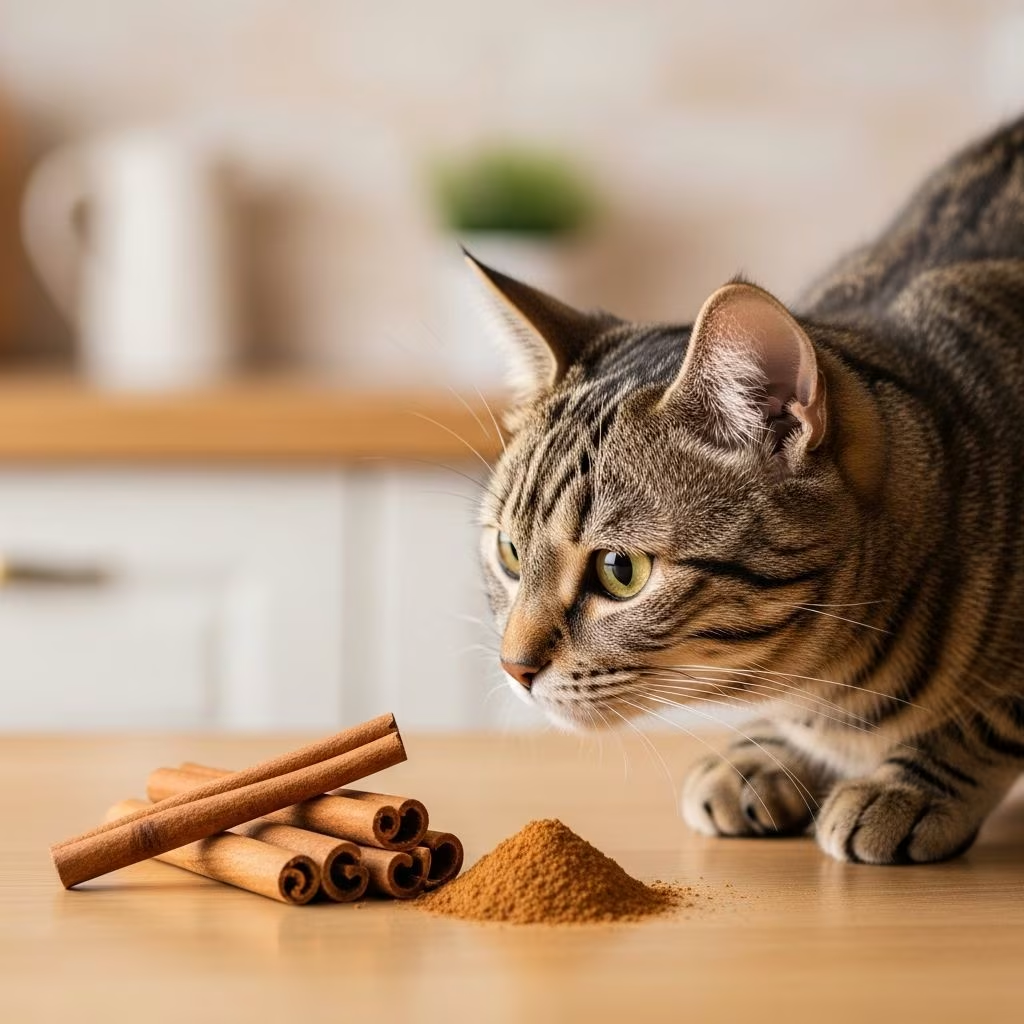
Cinnamon, a beloved spice in human diets for its warm flavor and aroma, carries notable risks for cats due to their unique metabolic limitations. Cats lack certain liver enzymes necessary to process phenolic compounds like those in cinnamon, potentially leading to irritation, toxicity buildup, and health complications even from small exposures.
Understanding Feline Physiology and Spice Sensitivity
Cats possess a specialized digestive and metabolic system evolved for a carnivorous diet, making many plant-derived substances challenging to handle. Key enzymes such as glucuronyl transferase, which humans use to break down phenols in cinnamon, are deficient in felines. This results in compound accumulation, heightening vulnerability to spices like cinnamon.
Coumarin, abundant in cassia cinnamon (the common variety), affects blood clotting and liver function in high doses. Ceylon cinnamon has lower levels, but neither type offers benefits cats can utilize, and risks outweigh any minimal upside.
Potential Health Effects from Cinnamon Exposure
Exposure routes include ingestion, inhalation, and skin contact, each triggering distinct issues. Gastrointestinal upset manifests as vomiting, diarrhea, and abdominal pain from powder consumption. Respiratory irritation arises from sniffing powdered spice, causing sneezing, coughing, or breathing difficulties due to cats’ acute olfactory sensitivity.
- Gastrointestinal Distress: Nausea, vomiting, loose stools from irritant effects on the stomach lining.
- Respiratory Problems: Coughing, wheezing, nasal discharge from airborne particles.
- Dermatological Reactions: Skin redness, itching, or rashes upon contact, especially with oils.
- Systemic Toxicity: Lethargy, low blood sugar, altered heart rate in severe overdoses.
Allergic responses, though less common, include swelling, hives, or oral ulcers from chewing.
Distinguishing Cinnamon Forms and Their Dangers
Not all cinnamon presentations pose equal threats, but caution applies universally.
| Cinnamon Form | Risk Level | Primary Hazards | Safe Handling |
|---|---|---|---|
| Powder | Low to Moderate | GI upset, inhalation irritation; toxic over 1 tsp | Store sealed, away from cats |
| Sticks | Moderate | Choking, equivalent to ~1 tsp powder | Remove from drinks, discard remnants |
| Essential Oil | High | Toxic via ingestion, inhalation, skin; phenols burn tissues | Never use near cats; ventilate if diffused |
| In Food/Baked Goods | Low if trace | Indirect exposure buildup | Avoid sharing human treats |
Essential oils concentrate harmful phenols, causing burns to skin, mouth, and lungs even in diluted diffusers. ASPCA lists cinnamon plants as non-toxic, but processed forms elevate risks.
Safe Quantity Thresholds: What Vets Recommend
No amount of cinnamon is deemed entirely safe for routine feline consumption. Trace exposures in baked goods rarely cause acute issues, but chronic low-level intake risks liver strain from coumarin. Veterinarians advise zero tolerance, especially for essential oils where any contact warrants immediate care.
For context, over a teaspoon of powder may induce serious symptoms, while sticks approximate this dose. Cats with pre-existing liver or diabetes conditions face amplified dangers, as cinnamon might unpredictably alter blood sugar.
Symptoms to Monitor After Possible Exposure
Prompt recognition aids intervention. Watch for:
- Immediate signs: Drooling, pawing at mouth, sneezing, watery eyes.
- Within hours: Vomiting, diarrhea, lethargy, rapid breathing.
- Delayed effects: Jaundice, tremors, collapse from liver involvement.
If suspected, withhold food, offer water, and contact a vet or poison hotline without inducing vomiting, as this risks aspiration.
Preventive Strategies for Cat-Safe Homes
Proactive measures minimize accidents:
- Secure Storage: Keep spices in cat-proof cabinets.
- Avoid Diffusers: Skip cinnamon oils; opt for pet-safe scents.
- Clean Thoroughly: Wipe counters post-cooking to remove residues.
- Garden Vigilance: Shun cinnamon-based repellents; use citrus or motion devices instead.
- Supervise Guests: Educate on no table scraps.
Alternatives like catnip or silver vine provide safe sensory stimulation without hazards.
Special Considerations for Vulnerable Cats
Kittens, seniors, and those with hepatic disease process toxins slower, demanding stricter avoidance. Diabetic cats risk glucose fluctuations from unregulated cinnamon dosing, a misguided home remedy. Pregnant queens or nursing mothers pass compounds via milk, endangering litters.
Insights from Veterinary and Toxicological Experts
Organizations like Pet Poison Helpline note overdoses lead to hypoglycemia, liver damage, and cardiac irregularities. VCA Hospitals highlight essential oil phenols’ caustic nature to feline airways and skin. Consensus: While not acutely poisonous like lilies, cinnamon merits the ‘avoid entirely’ category.
Frequently Asked Questions
Is cinnamon completely toxic to cats?
No, per ASPCA it’s non-toxic in plants, but powder and oils irritate or toxify at higher doses due to metabolic deficits.
Can cats sniff cinnamon without harm?
Inhalation irritates sensitive nasal passages, potentially causing coughing or worse; best avoided.
What if my cat ate a pinch of cinnamon?
Monitor for distress; small amounts rarely severe, but consult vet if symptoms appear.
Are there cat-friendly cinnamon substitutes?
Yes, herbal teas or vet-approved supplements mimic benefits without risks.
Does cinnamon help feline diabetes?
Unproven and risky; prescription meds are safer.
Promoting Overall Feline Wellness
Beyond avoidance, prioritize species-appropriate nutrition: high-protein wet foods, hydration fountains, and annual checkups. Enrichment via toys and scratching posts reduces curiosity-driven mishaps. Informed ownership prevents spice-related scares, ensuring joyful, healthy lives for cats.
This comprehensive guide equips owners to navigate household hazards, fostering safer environments. Always prioritize veterinary guidance for personalized advice.
References
- Can Cats Have Cinnamon? What Every Pet Owner Should Know — Fully Healthy. 2023. https://fullyhealthy.com/blogs/news/can-cats-have-cinnamon
- Can Cats Eat Cinnamon? — Kinship. 2024. https://www.kinship.com/cat-nutrition/can-cats-eat-cinnamon
- Cinnamon Allergy or Toxicity in Cats — WagWalking. 2023. https://wagwalking.com/cat/condition/cinnamon-allergy-or-toxicity
- Can Cats Have Cinnamon? — Cats.com. 2024. https://cats.com/can-cats-have-cinnamon
- Nutmeg And Cinnamon Toxicity — Pet Poison Helpline. 2023. https://www.petpoisonhelpline.com/pet-safety-tips/nutmeg-cinnamon-toxicity/
- Is Cinnamon Safe for Cats — Puainta. 2024. https://shop.puainta.com/blogs/cats/is-cinnamon-safe-for-cats
- Cinnamon – Toxic and Non-toxic Plants — ASPCA. 2024. https://www.aspca.org/pet-care/aspca-poison-control/toxic-and-non-toxic-plants/cinnamon



