

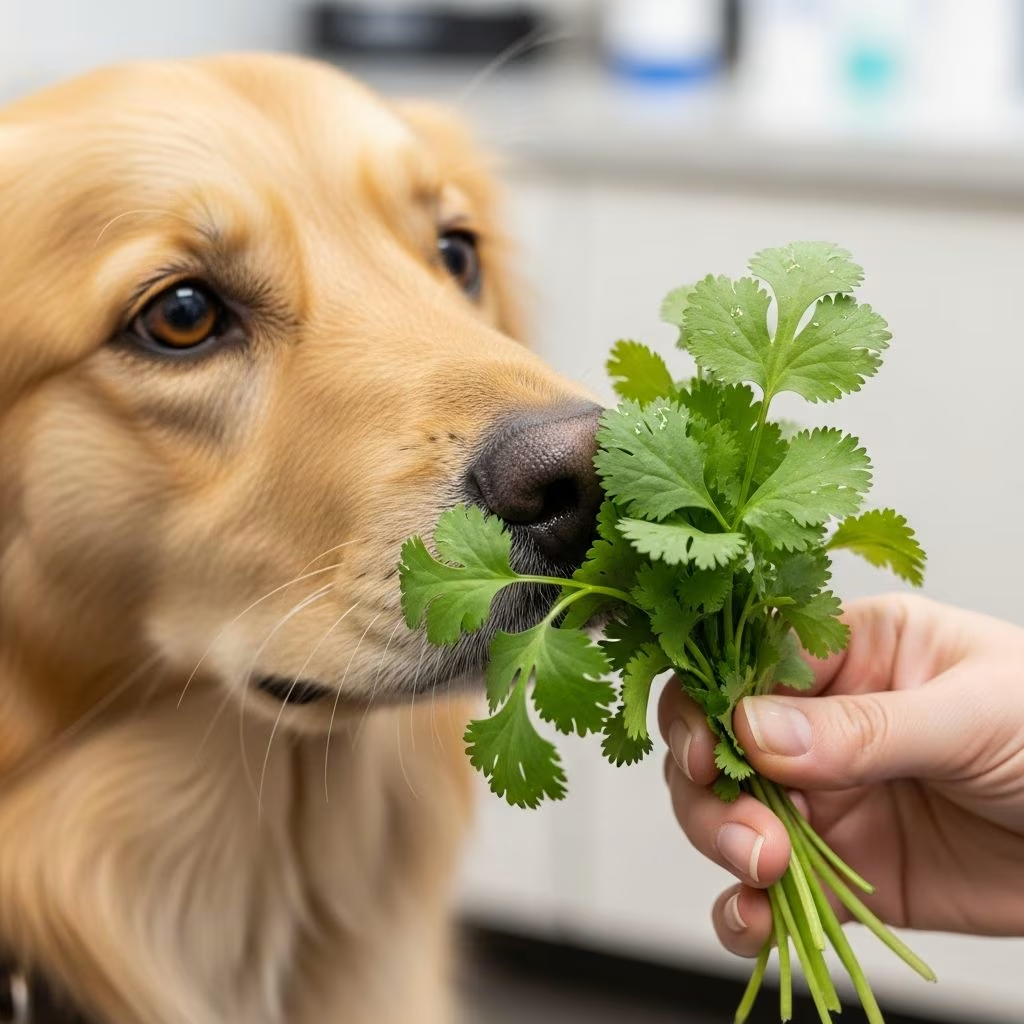
As a dog owner, you likely wonder about which foods and herbs are safe for your canine companion. Cilantro, a popular culinary herb also known as coriander or Chinese parsley, frequently appears in kitchens and meals. If you’ve ever wondered whether your dog can share in this aromatic herb, the answer is reassuring: cilantro is not toxic to dogs, making it a safe option when served appropriately.
Understanding Cilantro and Its Non-Toxic Status
Cilantro belongs to the Apiaceae family and has been used in culinary traditions across numerous cultures for centuries. The herb features distinctive feathery leaves and a characteristic aroma that many humans find appealing, though reactions vary. According to veterinary sources, cilantro presents no toxic compounds that would harm dogs, which stands in stark contrast to other common seasonings like garlic and onions that pose serious health risks.
The American Kennel Club confirms that cilantro is not toxic to dogs, and the ASPCA includes cilantro on its list of non-toxic plants for canine consumption. This official recognition provides pet owners with confidence when considering cilantro as an occasional dietary addition.
However, the non-toxic classification does not automatically mean unlimited consumption is appropriate. Like many foods safe for dogs, cilantro requires careful portion control and proper preparation to prevent adverse effects.
Nutritional Composition and Potential Health Advantages
Cilantro contains several vitamins and minerals that contribute to canine health when consumed in appropriate quantities. The herb provides:
- Vitamin A: Supports ocular health and vision function in dogs
- Vitamin C: Strengthens the immune system and acts as an antioxidant
- Vitamin K: Promotes skin integrity and coat quality
- Calcium and Magnesium: Contribute to skeletal development and bone density
- Potassium and Manganese: Essential minerals supporting overall metabolic function
Beyond basic nutrition, cilantro offers additional health-promoting properties. The herb contains antibacterial and antifungal compounds that may support digestive function. Some research suggests cilantro can help combat gastrointestinal issues, reduce nausea, and minimize flatulence in dogs. Additionally, cilantro may help freshen a dog’s breath, though this effect cannot replace proper dental care or professional cleaning.
Quantity Guidelines and Safe Serving Practices
The critical principle when offering cilantro to dogs is moderation. Veterinarians consistently recommend offering only small amounts, and consultation with your veterinarian before introducing cilantro is advisable. A useful starting point involves offering just a tiny amount to observe your dog’s individual reaction.
Proper Preparation Methods
When preparing cilantro for your dog, follow these guidelines:
- Use leaves only: The stems are considerably tougher and more difficult to digest, potentially causing gastrointestinal upset
- Wash thoroughly: Remove all dirt, pesticides, and potential contaminants before serving
- Offer raw and plain: Do not cook, season, or combine with other ingredients that might be harmful to dogs
- Serve as garnish: Dice small amounts and sprinkle on regular meals rather than serving as a primary food
- Avoid adding to water: Do not place cilantro in water bowls, as the strong smell and taste may discourage drinking
Appropriate Quantity Recommendations
No standardized maximum amount exists across veterinary literature, but the consensus suggests treating cilantro as an occasional garnish rather than a significant dietary component. For most dogs, a small pinch of finely diced cilantro leaves mixed with food represents a safe amount. Pet owners should observe their individual dog’s response and adjust accordingly.
Individual Variability in Palatability and Tolerance
Not all dogs enjoy cilantro’s distinctive flavor profile. According to veterinary experts, most dogs do not prefer the taste of cilantro. Some find the flavor unpleasant or bitter, while others show minimal interest. This natural variation means you should never force your dog to consume cilantro if they demonstrate reluctance or disinterest.
Testing your dog’s response involves offering a minuscule amount and observing their reaction. A dog’s preference for or against cilantro carries no nutritional consequence—other herbs and foods provide comparable benefits if cilantro proves unpopular.
Potential Adverse Reactions and When to Seek Veterinary Care
While cilantro is generally well-tolerated, some dogs may experience digestive upset, particularly if they consume excessive quantities. Possible adverse reactions include:
- Vomiting
- Diarrhea
- Stomach discomfort or cramping
- Reduced appetite
- Allergic reactions (rare but possible)
Though cilantro allergies remain uncommon, individual sensitivities can occur. Signs of an allergic response include itching, facial swelling, difficulty breathing, or hives. Should your dog display these symptoms after consuming cilantro, cease offering it immediately and contact your veterinarian.
Accidental ingestion of small amounts of dropped cilantro does not typically cause concern or require veterinary intervention. However, if your dog consumed a large quantity, monitor closely for gastrointestinal symptoms over the following hours.
Comparative Safety with Other Common Seasonings
Cilantro’s safety profile becomes clearer when compared to other popular culinary seasonings. While cilantro poses no toxicity concerns, many common flavorings present serious hazards:
| Seasoning | Safety Status | Key Information |
|---|---|---|
| Cilantro | Safe in small amounts | Non-toxic; occasional garnish acceptable |
| Garlic | Toxic | Damages red blood cells; avoid entirely |
| Onion | Toxic | Causes hemolytic anemia; avoid entirely |
| Basil | Safe in small amounts | Similar to cilantro; use sparingly |
| Rosemary | Safe in small amounts | Can be offered occasionally as a garnish |
Pre-Feeding Veterinary Consultation
Before intentionally incorporating cilantro into your dog’s diet, consult with your veterinarian. This recommendation applies especially to dogs with existing health conditions, digestive sensitivities, or those taking medications. Your veterinarian understands your dog’s individual health profile and can provide personalized guidance.
Veterinary consultation becomes particularly important if your dog:
- Has a history of gastrointestinal disorders
- Maintains a specialized diet for medical reasons
- Takes medications that might interact with new foods
- Has previously demonstrated food sensitivities
- Is a puppy, senior, or pregnant/nursing dog
Alternative Safe Herbs for Canine Diets
If your dog shows no interest in cilantro or if you prefer offering other options, several herbs provide comparable nutritional and health benefits. These alternatives are equally safe when offered in moderation:
- Parsley: Supports fresh breath and digestive function
- Basil: Provides antioxidant properties and flavor variety
- Sage: Offers anti-inflammatory benefits in small amounts
- Turmeric: Contains curcumin, known for anti-inflammatory properties
- Mint: Aids digestion and freshens breath naturally
- Lavender: May promote relaxation (though use cautiously and in minimal amounts)
Each herb carries specific benefits and should be introduced gradually after veterinary approval.
Incorporating Cilantro into Homemade Dog Meals
For pet owners who prepare homemade dog food, cilantro can serve as a nutritious, cost-effective garnish. Dice small amounts of fresh cilantro leaves and incorporate them into:
- Cooked chicken or turkey dishes
- Vegetable and grain combinations
- Homemade dog treat recipes
- Plain rice or sweet potato preparations
- Commercial dog food as an occasional topper
Always ensure cilantro represents only a minimal percentage of the overall meal, maintaining focus on complete, balanced nutrition appropriate for your dog’s age, size, and activity level.
Addressing Common Owner Concerns
Will Cilantro Cause Digestive Problems?
Cilantro itself is digestible; however, the stems prove more challenging to break down. By using only the leaves in small quantities, you minimize digestive risk. Dogs would need to consume significant amounts to experience genuine gastrointestinal upset.
Can Cilantro Be Added to Drinking Water?
No. Adding cilantro to water bowls is not recommended. The strong aroma and taste may discourage your dog from drinking adequate water, leading to dehydration. Your dog’s water should remain plain and fresh.
Is Cilantro Safe for All Dog Ages?
Yes, cilantro is safe for puppies, adult dogs, and seniors alike. However, introduce any new food gradually and monitor puppies and elderly dogs more carefully for digestive tolerance.
What If My Dog Accidentally Eats Cilantro?
Small amounts of accidentally ingested cilantro do not warrant emergency veterinary care. Simply observe your dog for any signs of illness over the following hours. Contact your veterinarian if unusual symptoms develop.
Key Takeaways for Pet Owners
Cilantro represents a non-toxic herb that can safely enhance your dog’s diet when approached thoughtfully. The herb provides legitimate nutritional benefits, including essential vitamins and minerals that support overall health. However, successful cilantro feeding hinges on portion control, proper preparation, and individual tolerance assessment.
Consult your veterinarian before introducing cilantro, use only fresh leaves in minimal amounts, and remain attentive to your dog’s individual preferences and digestive response. By following these guidelines, you can confidently offer cilantro as an occasional, nutritious dietary addition to your canine companion’s meals.
Frequently Asked Questions
Can dogs eat cilantro stems?
Dogs can technically eat cilantro stems in very small amounts, but they are difficult to digest and may cause gastrointestinal upset. For safety, stick to the leaves only.
How much cilantro can I give my dog?
There is no standardized maximum amount, but treat cilantro as an occasional garnish rather than a dietary staple. A small pinch of finely diced leaves mixed with food represents an appropriate serving.
Is cilantro beneficial for dog breath?
Yes, cilantro may help freshen dog breath due to its aromatic compounds. However, it cannot replace regular tooth brushing or professional dental cleanings.
What should I do if my dog refuses cilantro?
This is completely normal. Most dogs do not prefer cilantro’s flavor. Never force your dog to eat foods they dislike, and offer alternative safe herbs instead.
Are there dogs that cannot tolerate cilantro?
Dogs with sensitive digestive systems or those prone to gastrointestinal upset should avoid cilantro entirely. Always consult your veterinarian if your dog has a history of digestive issues.
References
- Can Dogs Eat Cilantro? — American Kennel Club. https://www.akc.org/expert-advice/nutrition/can-dogs-eat-cilantro/
- Can Dogs Eat Cilantro? — Kabo Fresh Dog Food. https://kabo.co/blog/can-dogs-eat-cilantro
- Cilantro – Toxic and Non-toxic Plants — ASPCA Animal Poison Control Center. https://www.aspca.org/pet-care/aspca-poison-control/toxic-and-non-toxic-plants/cilantro
- Can Dogs Eat Cilantro? — Fetch Pet Insurance. https://www.fetchpet.com/the-dig/can-dogs-eat-cilantro
- Can Dogs Eat Herbs? — Dog Chef. https://www.dogchef.com/en/blog/can-dogs-eat-herbs



