

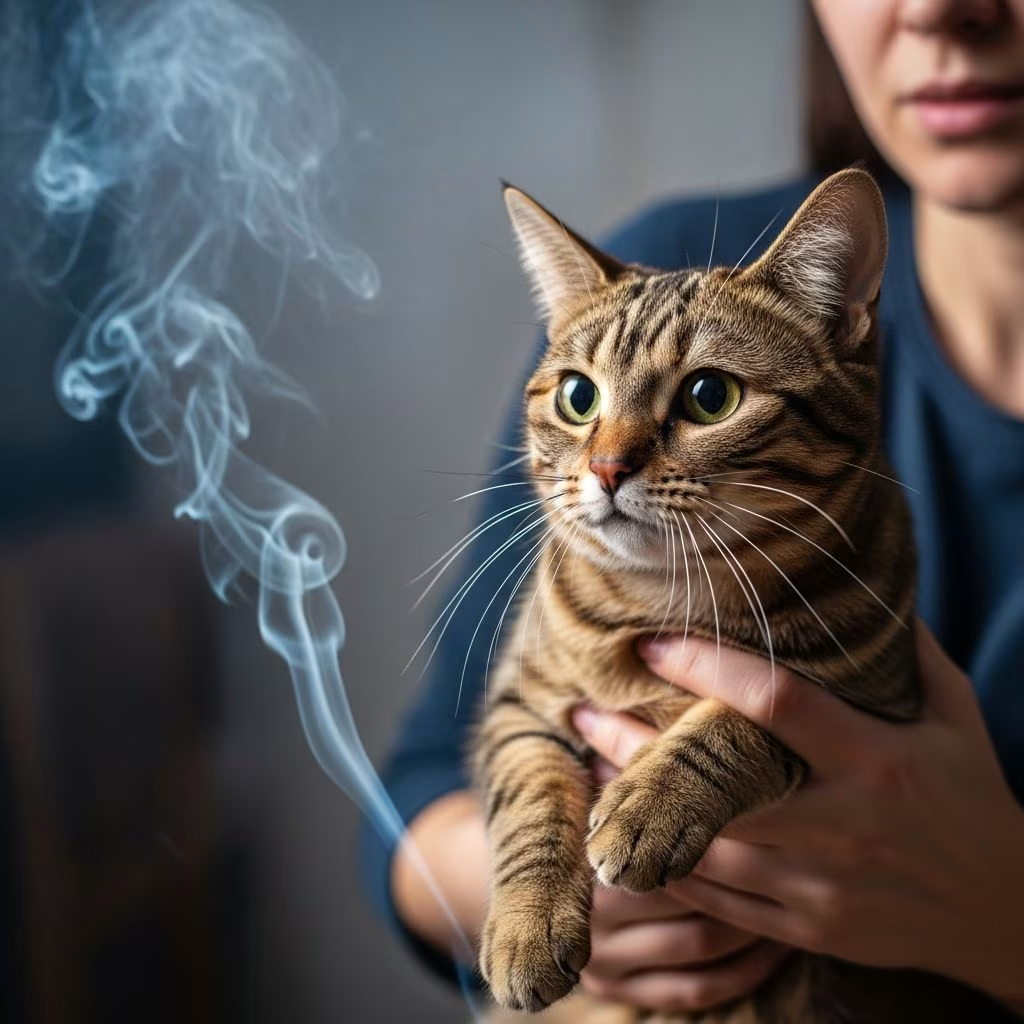
Cigarette smoke poses significant health threats to cats through secondhand inhalation and thirdhand residue ingestion, elevating risks for cancers, respiratory conditions, and metabolic disruptions.
Understanding Smoke Exposure Pathways in Felines
Cats encounter tobacco smoke in multiple insidious ways, amplifying their vulnerability compared to humans. Secondhand smoke involves direct inhalation of airborne particles from burning tobacco, while thirdhand smoke refers to toxic residues that settle on surfaces and fur. Due to their short nasal passages, cats absorb these carcinogens more efficiently during breathing.
Self-grooming exacerbates exposure as cats lick residues from their coats, introducing toxins directly into oral mucous membranes and digestive tracts. This behavior leads to concentrated doses of nicotine and heavy metals like copper, which disrupt cellular balance. Indoor lifestyles mean prolonged exposure in confined spaces, unlike outdoor animals.
Respiratory Impacts: From Asthma to Chronic Damage
Tobacco smoke irritates feline airways, triggering inflammation and oxidative stress that impair lung function. Cats in smoky homes show heightened asthma incidence, characterized by wheezing, coughing, and labored breathing. Short-nosed brachycephalic breeds face amplified risks due to inefficient air filtration.
Chronic exposure elevates risks for bronchitis and emphysema-like conditions, mirroring human chronic obstructive pulmonary disease (COPD). Veterinary observations link inflamed respiratory tracts directly to passive smoking, with symptoms including persistent discharge and eye irritation.
- Wheezing or coughing episodes: Frequent attacks signal airway constriction.
- Eye redness and discharge: Irritants inflame ocular surfaces.
- Labored breathing: Indicates progressive lung compromise.
Cancer Risks Amplified by Long-Term Exposure
Passive smoking doubles cats’ lymphoma risk, a lymph node malignancy with dismal survival rates. Duration in smoky environments correlates directly with incidence; cats enduring over five years face tripled malignant lymphoma odds.
Oral squamous cell carcinoma emerges from grooming ingested carcinogens, with smokers’ households reporting fourfold increases for low-exposure levels (1-19 cigarettes daily). These aggressive tumors invade jawbones, complicating treatment.
| Cancer Type | Risk Multiplier | Key Exposure Factor |
|---|---|---|
| Lymphoma | 2-3x | Household duration |
| Oral Carcinoma | 2-4x | Grooming residues |
| Lung Cancer | Elevated | Inhalation efficiency |
Biochemical Disruptions: Oxidative Stress and Inflammation
Environmental tobacco smoke (ETS) skews oxidant-antioxidant equilibrium in feline blood, elevating malondialdehyde while depleting glutathione. This imbalance fosters free radical damage, potentially sparking pro-inflammatory cytokines like TNF-α and IL-6.
Copper surges in ETS-exposed cats act as pro-oxidants, generating radicals that harm tissues. Concurrent rises in reticulocytes suggest bone marrow stress, while glucose and creatinine elevations hint at predispositions to diabetes type II and renal pathology.
Thirdhand Smoke: The Lingering Invisible Threat
Post-ventilation residues cling to upholstery, carpets, and pet hair, evading casual cleanup. Cats’ affinity for lounging on these surfaces and meticulous grooming internalizes particulates, targeting oral cavities.
Unlike humans, felines ingest substantial quantities via saliva, heightening mutagenesis in mouth linings. Walls yellowing signals widespread contamination, underscoring comprehensive decontamination needs.
Recognizing Early Warning Signs in Your Cat
Vigilance detects smoke-induced ailments promptly. Monitor for:
- Chronic sneezing or nasal discharge
- Skin allergies manifesting as itching or hair loss
- Ear infections recurring despite treatment
- Unexpected weight loss tied to lymphoma
- Lethargy or reduced grooming from malaise
Bloodwork revealing elevated creatinine or glucose warrants ETS investigation, even within normal ranges.
Prevention Strategies for Smoke-Free Homes
Eliminate indoor smoking entirely; outdoor alternatives minimize but do not erase thirdhand risks. Regular fur bathing reduces residue loads, though impractical daily.
Ventilate thoroughly, wash fabrics frequently, and employ HEPA filters to capture particulates. Nicotine cessation patches or gums avoid direct pet contact.
- Declare home smoke-free zones
- Deep-clean surfaces quarterly
- Wipe pets weekly with damp cloths
- Consult vets for baseline health checks
Quitting Smoking: Benefits for Cats and Owners
Smoking cessation slashes pet cancer odds within months, restoring antioxidant profiles. Owners gain dual health incentives, fostering family-wide wellness.
Veterinary support via counseling aids transitions, emphasizing rapid feline recovery from irritant withdrawal.
FAQs on Smoke and Cat Health
Is occasional smoking safe around cats?
No; even minimal exposure (1-19 cigarettes/day) quadruples oral cancer risk.
How quickly does thirdhand smoke affect cats?
Residues persist indefinitely without cleaning, with grooming causing immediate oral exposure.
Can air purifiers fully protect cats?
HEPA units help with airborne particles but not surface residues.
What breeds are most vulnerable?
All, but short-nosed cats suffer amplified inhalation risks.
Does vaping pose similar dangers?
Limited data, but aerosols likely carry parallel toxins; err on caution.
References
- The Effects of Second-Hand Smoke on Pets — VCA Animal Hospitals. 2023. https://vcahospitals.com/know-your-pet/the-effects-of-second-hand-smoke-on-pets
- Tobacco smoke induces oxidative stress and alters pro-inflammatory cytokines, antioxidants and trace elements in cats — PMC (PubMed Central). 2023-06-01. https://pmc.ncbi.nlm.nih.gov/articles/PMC10298841/
- Secondhand and Thirdhand Smoke and Cats — Purple Cat Vet. 2024. https://www.purplecatvet.com/secondhand-and-thirdhand-smoke-and-cats/
- The Effects of Secondhand Smoke on Pets — PetMD. 2023. https://www.petmd.com/general-health/the-effects-of-secondhand-smoke-on-pets
- Secondhand Smoke & Pets — University of Kentucky BREATHE. 2023. https://breathe.uky.edu/tobacco-policy/quick-facts/secondhand-smoke-pets
- Pets suffer silently when owners smoke — Salem Health. 2022-10-20. https://www.salemhealth.org/you-matter/post/pets-suffer-silently-when-owners-smoke



