

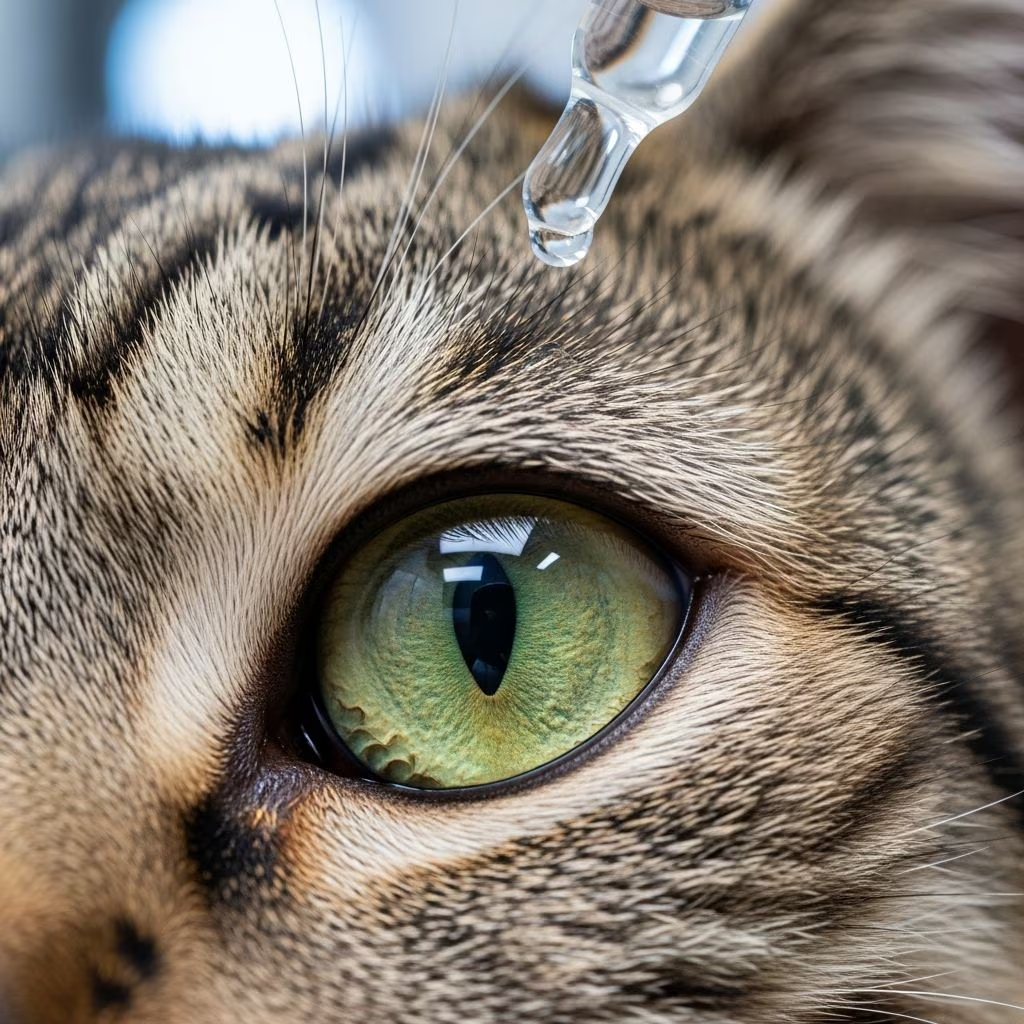
Cidofovir Ophthalmic: A Comprehensive Guide to Treating Feline Eye Infections
Feline herpesvirus-1 (FHV-1) is a common viral infection affecting cats’ eyes, causing conjunctivitis, keratitis, and other ocular complications. Cidofovir ophthalmic represents an important therapeutic option for veterinarians managing these challenging infections. This topical antiviral medication has demonstrated effectiveness in reducing viral shedding and controlling clinical signs of herpesvirus infection in cats.
What is Cidofovir Ophthalmic?
Cidofovir ophthalmic is a topical antiviral medication specifically formulated to treat viral infections of the eye, particularly feline herpesvirus-1 (FHV-1) in cats. The medication works by selectively inhibiting viral-DNA polymerases relative to host-cell polymerases, effectively stopping the replication of herpesvirus within infected cells. This broad-spectrum antiviral agent has activity against cytomegalovirus (CMV) and other members of the herpesvirus family, making it a versatile treatment option for various viral eye conditions.
It is important to note that when cidofovir is prescribed for treating herpesvirus in cats, it is considered ‘off-label’ use. This means the medication has not been specifically approved by the FDA for use in cats, though veterinarians are authorized to prescribe it in this manner. The FDA originally approved cidofovir for human use, particularly for treating CMV infections in AIDS patients via intravenous administration. Many drugs are commonly prescribed off-label in veterinary medicine, and in these instances, pet owners should follow their veterinarian’s directions and cautions very carefully, as instructions may differ significantly from the product label.
How Cidofovir Ophthalmic Works
Cidofovir functions as a nucleoside analogue antiviral agent, functioning through a unique mechanism of action. After cellular uptake, the medication demonstrates selectivity in inhibiting viral-DNA polymerases compared to host-cell polymerases, meaning it preferentially targets viral enzymes while minimizing damage to the cat’s own cells. A key advantage of cidofovir is its long intracellular half-life, which allows for less-frequent dosing compared to other antiviral medications like vidarabine, trifluridine, and idoxuridine that require more frequent administration.
Clinical research has demonstrated that cidofovir is effective with twice-daily administration and a relatively short duration of treatment. In experimentally infected animals, cidofovir has been shown to decrease the severity of clinical signs and reduce viral shedding while being well tolerated, particularly at 0.5% concentration. This effectiveness, combined with reduced dosing frequency, makes cidofovir an attractive option for managing chronic or recurrent feline herpesvirus infections.
Administration and Dosage
Proper administration of cidofovir ophthalmic is essential for optimal therapeutic outcomes. Since cidofovir must be specially formulated for ophthalmic use, it needs to be compounded by a veterinarian or a veterinary pharmacy into an eye drop solution suitable for cats. The typical recommended dose is 0.5% solution administered twice daily for 7-14 days, though specific instructions should always come from your prescribing veterinarian.
When administering cidofovir to your cat, follow these important guidelines:
– Administer the exact prescribed amount to your cat’s eye as directed by your veterinarian- Wait 5-10 minutes before applying any other medications to the eye- Store the medication in the refrigerator; do not freeze- Do not use if the color changes, becomes cloudy, or if particles are visible in the solution- Prevent cats from licking the medication while grooming
Consistency and accuracy in administration are crucial for achieving the desired therapeutic effect and minimizing potential adverse reactions.
Potential Side Effects
While cidofovir ophthalmic is generally well-tolerated when used at appropriate concentrations, some cats may experience side effects. Understanding these potential reactions helps pet owners identify when veterinary attention is needed.
Common Side Effects
The most frequently reported side effects are mild and localized to the eye area:
– Eye irritation, such as a mild stinging sensation- Redness of the eyes- Mild ocular discomfort
These mild side effects typically resolve quickly and are not considered serious. They often diminish with continued use as the cat’s eyes adjust to the medication.
Rare But Serious Side Effects
While uncommon, more severe side effects can occur and must be reported to your veterinarian immediately:
– Difficult or noisy breathing- Lack of appetite- Yellowing of the whites of the eyes- Pain in the back or sides- Increased urination- Weakness or lethargy- Limb pain- Mouth sores
The occurrence of any of these symptoms warrants immediate veterinary consultation. In research studies, stronger-concentration solutions caused more pronounced irritation, underscoring the importance of using only the prescribed concentration.
Since cidofovir is short-acting, it should stop working within 24 hours in most cases, although effects can persist longer in pets with liver or kidney disease.
Risk Factors and Safety Precautions
Certain conditions and circumstances make cidofovir ophthalmic inappropriate or require special consideration before use.
Contraindications
Cidofovir should not be used in the following situations:
– Patients with hypersensitivity to the drug- Breeding animals or animals intended for breeding- Animals with kidney disease- Cats in which the medication would be swallowed
Additionally, cidofovir should not be given concurrently with other medications that can cause damage to the kidneys (nephrotoxic medications).
Use With Caution
The medication should be used cautiously in animals being treated with drugs that suppress the immune system.
Pregnancy and Nursing Considerations
Pregnant women should not handle this medication, and it should not be administered to pregnant or nursing animals. This is a critical safety consideration, particularly for households with pregnant women or nursing mothers who may be involved in administering the medication to their cats.
Handling and Exposure Safety
Since cidofovir is excreted in saliva, urine, and feces, special precautions must be taken:
– Wear gloves when administering the medication- Wear gloves when cleaning up after your cat- Avoid contact with your skin, eyes, or gums- Do not allow your cat to lick your skin- If skin exposure occurs, wash thoroughly with soap and water
These precautions minimize potential exposure to the medication and reduce the risk of adverse effects in household members, particularly pregnant women.
Drug Interactions
One important drug interaction to be aware of involves topical ophthalmic corticosteroids. The antiviral activity of cidofovir may be decreased by topical ophthalmic corticosteroids, so concurrent use should be carefully evaluated by your veterinarian. If your cat is receiving other eye medications, inform your veterinarian before starting cidofovir therapy.
Diagnostic Considerations
Before initiating cidofovir treatment, bacterial causes of conjunctivitis should be ruled out. Mycoplasma felis and Chlamydophilia felis are bacterial organisms that can cause acute conjunctivitis and ocular disease in cats. These conditions would require different treatment approaches, making proper diagnosis essential for effective management. Your veterinarian will perform appropriate diagnostic testing to confirm that the ocular disease is indeed caused by feline herpesvirus before prescribing cidofovir.
Efficacy and Clinical Research
The effectiveness of cidofovir ophthalmic for feline herpesvirus treatment is well-supported by veterinary research. In clinical studies, twice-daily application of topical 0.5% cidofovir ophthalmic solution has been shown to reduce the duration of ocular viral shedding in infected animals. The medication decreased the severity of clinical signs while being well tolerated at appropriate concentrations, particularly in controlled research settings.
Research indicates that cidofovir offers significant advantages over alternative antivirals due to its long intracellular half-life and requirement for only twice-daily administration. This makes it more convenient for pet owners compared to medications requiring more frequent dosing, potentially improving compliance with treatment protocols.
Frequently Asked Questions (FAQs)
Q: Is cidofovir ophthalmic approved by the FDA for use in cats?
A: No, cidofovir ophthalmic is not FDA-approved for cats. When prescribed for feline herpesvirus, it is considered off-label use. However, the FDA allows veterinarians to prescribe approved medications for different species or conditions in certain situations. Always follow your veterinarian’s specific directions when using off-label medications.
Q: How long does cidofovir take to work?
A: Individual response varies, but cidofovir begins reducing viral shedding with twice-daily application over the treatment course, typically lasting 7-14 days. Your veterinarian will monitor your cat’s progress and adjust treatment as needed.
Q: Can I administer other eye drops at the same time as cidofovir?
A: No, you should wait 5-10 minutes after applying cidofovir before administering any other eye medications. This waiting period allows the medication to be adequately absorbed and prevents potential interactions or dilution of the medication.
Q: What should I do if my cat experiences severe side effects?
A: If your cat experiences severe side effects such as difficulty breathing, loss of appetite, yellowing of the eyes, pain, increased urination, weakness, lethargy, or mouth sores, contact your veterinarian immediately. These symptoms require prompt professional evaluation.
Q: How should I store cidofovir ophthalmic?
A: Store the medication in the refrigerator and do not freeze it. Check before each use to ensure the solution has not changed color, become cloudy, or developed particles. If any of these changes occur, do not use the medication and contact your veterinarian for a replacement.
Q: Can my cat be around other animals while receiving cidofovir treatment?
A: Yes, cidofovir is a topical medication and does not prevent viral shedding through systemic routes. However, feline herpesvirus is contagious, so appropriate isolation protocols for the underlying FHV-1 infection should still be followed as recommended by your veterinarian.
Q: What should I do if I accidentally get cidofovir on my skin?
A: Wash the affected area thoroughly with soap and water immediately. If you are pregnant or nursing, notify your healthcare provider. For future applications, always wear gloves when administering the medication to prevent accidental exposure.
Q: Is cidofovir safe for all cats?
A: No, cidofovir should not be used in cats with kidney disease, breeding animals, or cats with hypersensitivity to the drug. Cats with liver disease may have prolonged medication effects. Your veterinarian will determine if cidofovir is appropriate for your specific cat based on its health status.
Conclusion
Cidofovir ophthalmic represents an important treatment option for cats suffering from feline herpesvirus-1 infections. Its long intracellular half-life and requirement for only twice-daily administration make it a convenient choice for managing both acute and chronic ocular herpesvirus infections. While generally well-tolerated at appropriate concentrations, pet owners must be aware of potential side effects, proper administration techniques, and important safety precautions, particularly regarding pregnancy and medication handling.
If your cat has been diagnosed with feline herpesvirus eye infection, discuss with your veterinarian whether cidofovir ophthalmic is the appropriate treatment option. Strict adherence to your veterinarian’s dosing instructions and monitoring guidelines will help ensure the best possible outcome for your feline companion.
References
- In Vitro and In Vivo Evaluation of Cidofovir as a Topical Ophthalmic Antiviral for Ocular Canine Herpesvirus-1 Infections in Dogs — Journal of Ocular Pharmacology and Therapeutics. 2015-12. https://pubmed.ncbi.nlm.nih.gov/26418618/
- Cidofovir Ophthalmic for Veterinary Use — Wedgewood Pharmacy. 2024. https://www.wedgewood.com/professional-monographs/cidofovir-ophthalmic-for-veterinary-use/
- Cidofovir Ophthalmic — VCA Animal Hospitals. 2024. https://vcahospitals.com/know-your-pet/cidofovir-ophthalmic
- Cidofovir Ophthalmic Drops — Northwest Compounders. 2024. https://www.northwestcompounders.com/product/cidofovir-ophthalmic-drops-3-ml-bottle/
- Cidofovir, Ophthalmic Patient Information — Iop Eyes. 2019. https://www.iopeyes.com/wp-content/uploads/2019/06/Cidofovir-Ophthalmic-2019.pdf
- Cidofovir Compounded Ophthalmic Solution 0.5% — Chewy. 2024. https://www.chewy.com/cidofovir-compounded-ophthalmic/dp/943630
- Vet Guide to Cidofovir in 2025: Advanced Eye Care for Feline Herpesvirus — AskAVet. 2025-01. https://askavet.com/blogs/news/vet-guide-to-cidofovir%C2%AE-in-2025-advanced-eye-care-for-feline-herpesvirus-%F0%9F%90%BE



