

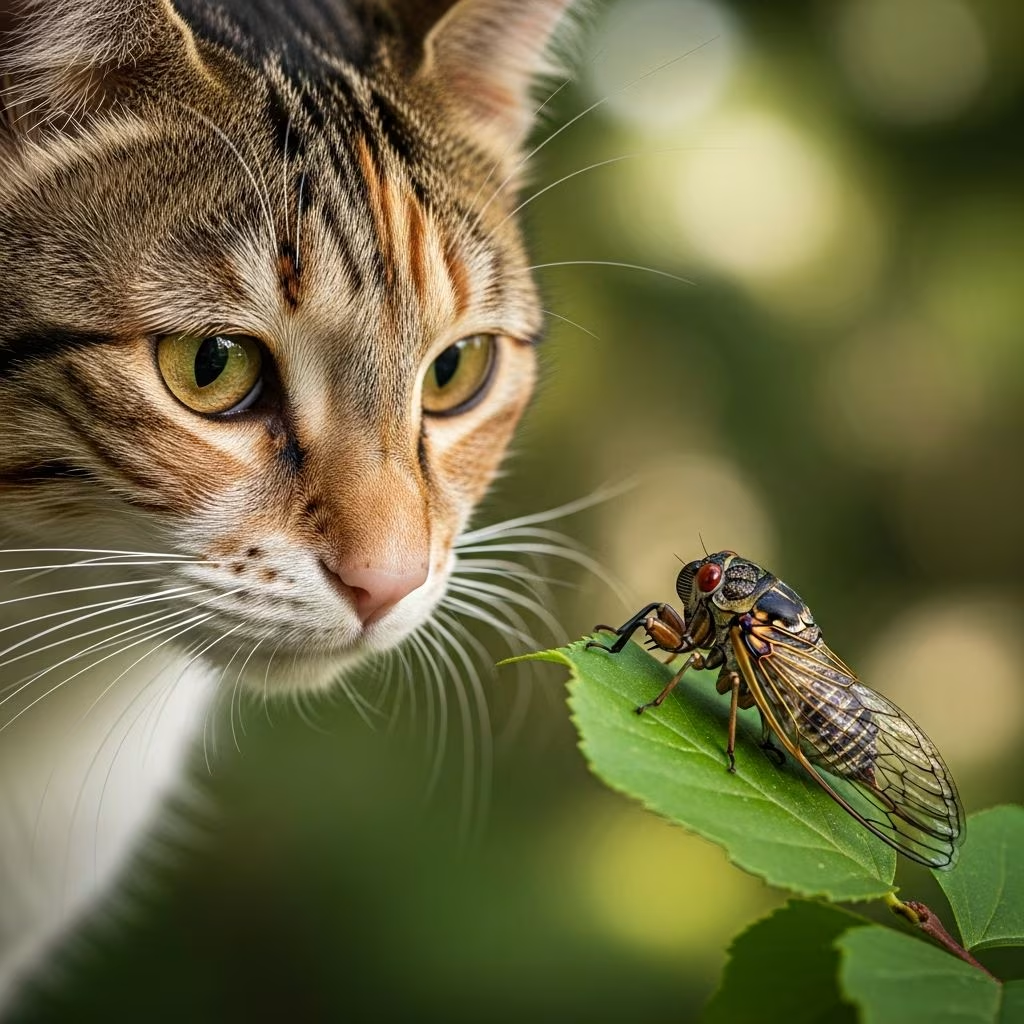
Cicadas emerge in massive numbers every few years, turning backyards into buzzing spectacles that intrigue curious cats. While these insects aren’t poisonous, their tough bodies can lead to tummy troubles for felines that indulge too heavily. Understanding the biology of cicadas and feline behavior helps pet owners navigate these seasonal events safely.
The Life Cycle of Cicadas and Why They Emerge
Cicadas belong to a unique group of insects known for their periodical emergences. Periodical cicadas spend most of their lives underground as nymphs, feeding on root sap for 13 or 17 years depending on the brood. They surface en masse in late spring, climb trees, and molt into adults with distinctive red eyes, clear wings, and robust bodies up to 2 inches long.
Adult cicadas live only weeks, focused on mating and laying eggs in tree slits. Males produce loud calls to attract females, creating the characteristic chorus. This synchronized emergence overwhelms predators, ensuring many survive to reproduce—a strategy called predator satiation. During peaks, billions blanket regions like the eastern U.S., making encounters with pets inevitable.
Why Cats Find Cicadas Irresistible
Cats are natural hunters, drawn to moving prey by instinct. Cicadas’ clumsy flight, slow ground movement, and noisy buzzing trigger a cat’s predatory drive. Outdoor or community cats, as opportunistic feeders, often consume insects alongside rodents and scraps.
Indoor cats may bat at cicadas that sneak inside, while free-roaming ones treat emergences like buffets. Studies show insects form a significant diet portion for feral cats, providing high protein. However, cicadas’ size and crunch appeal more to playful chasers than dedicated meals.
Are Cicadas Toxic to Cats?
No, cicadas are not toxic or poisonous to cats. They lack venom, stingers, or disease vectors, feeding solely on plant fluids without interest in animals. Humans even eat them in some cultures as a protein-rich delicacy, underscoring their safety.
The primary concern stems from their chitinous exoskeleton—the hard, outer shell similar to shellfish. This material irritates the digestive tract, causing inflammation, excess salivation, retching, or loose stools. Wings and body parts add bulk, risking blockages if overconsumed.
Potential Health Risks from Cicada Consumption
Occasional nibbles rarely harm cats, but excess intake amplifies problems. Here’s a breakdown of risks:
- Gastrointestinal Irritation: Exoskeletons abrade stomach linings, leading to vomiting, diarrhea, or pain within hours.
- Choking Hazard: Sturdy wings or shells can lodge in throats, especially in kittens.
- Obstructions: Large quantities may clump in intestines, requiring veterinary intervention.
- Pesticide Exposure: Treated cicadas carry chemicals harmful if ingested.
- Allergic Reactions: Rare hypersensitivities mimic sting allergies, causing swelling or breathing issues.
Symptoms usually resolve in days with rest, but monitor closely. Cats less prone to gorging than dogs, yet playful pursuits can lead to multiple catches.
Recognizing Trouble: Symptoms to Watch
| Symptom | Severity | Action |
|---|---|---|
| Mild drooling or single vomit | Low | Observe; withhold food 12 hours |
| Repeated vomiting/diarrhea | Medium | Call vet; offer bland diet |
| Lethargy, pain, no appetite | High | Seek immediate care |
| Breathing difficulty/swelling | Emergency | Go to ER |
Track intake: one or two cicadas seldom trouble healthy adults, but vulnerable cats (seniors, kittens, those with GI histories) warrant caution.
Prevention Strategies for Cat Owners
Proactive steps minimize risks during emergences:
- Supervise Outdoor Time: Accompany cats outside; use leashes for explorers.
- Secure Indoors: Screen windows/doors; distract with toys mimicking insect motion.
- Train Commands: Teach “leave it” with treats; practice pre-emergence.
- Feed Regularly: Scheduled meals reduce hunting; ample wet food satisfies community cats.
- Avoid Pesticides: Skip yard sprays to prevent poisoning; opt for barriers.
For multi-cat homes or ferals, provide elevated feeding stations away from ground clutter.
Special Considerations for Vulnerable Cats
Kittens, elderly cats, or those with conditions like IBD face higher risks. Small mouths struggle with chunks; weakened digestion exacerbates irritation. Consult vets for tailored plans, possibly including probiotics preemptively.
Pregnant or nursing queens need extra vigilance—nutrient diversion heightens sensitivity. Reptile owners note cicadas suit gut-loading safely, sans pesticides.
When to Contact a Veterinarian
Act promptly if symptoms persist beyond 24 hours or worsen. Vets may administer fluids, anti-emetics, or imaging for blockages. Most cases need supportive care only, recovering in days.
After-hours? ER clinics handle urgencies like obstructions. Note cicada count and timing for diagnosis. Prevention trumps treatment, but quick response averts escalation.
Cicada Emergences: Regional Impacts
Broods like X (17-year) hit Midwest/East Coast periodically; dual 13/17-year events amplify numbers, as in 2024 Illinois. Track via apps like Cicada Safari for local forecasts. Urban areas see fewer due to habitat loss, but suburbs buzz intensely.
Climate shifts may alter timings, extending seasons. Prepare year-round by fostering insect aversion training.
FAQs
Can a single cicada harm my cat?
Unlikely; isolated incidents pass uneventfully unless allergies exist.
Do cicadas carry parasites?
No, unlike grubs; they pose no vector risk.
How to clean up cicada shells safely?
Sweep daily; dispose sealed to deter digging. Avoid vacuums if cats chew parts.
Are cicada nymphs dangerous?
Underground stages lack appeal; emerging ones match adult risks.
Should I worry about cicada noise stressing cats?
Most ignore it; sensitive ones benefit from white noise or retreats.
Long-Term Feline Health Amid Insect Seasons
Beyond cicadas, bugs like beetles or moths tempt cats yearly. Build habits: routine deworming, dental checks for chitin wear, balanced diets fortifying guts. Annual vet wellness flags vulnerabilities early.
Embrace emergences educationally—discuss with kids, contribute citizen science data. Cats thrive with informed guardianship, turning nuisances into manageable blips.
References
- Cicadas Not (Probably) Harmful to Pets — Veterinary Medicine at Illinois. 2024-05-13. https://vetmed.illinois.edu/2024/05/13/cicadas-not-probably-harmful-to-pets/
- Brood X Cicadas and Cats: What You Need to Know — Alley Cat Allies. 2021. https://www.alleycat.org/brood-x-cicadas-and-cats-what-you-need-to-know/
- Cicadas: Pet Treat or Pet Threat? — Veterinary Medicine at Illinois. 2024. https://vetmed.illinois.edu/pet-health-columns/cicadas-pet-treat-or-pet-threat/
- Are Cicadas Harmful to Pets? — Patton Veterinary Hospital. N/A. https://pattonvethospital.com/blog/290782-are-cicadas-harmful-to-pets
- Cicadas and Your Pet: Are they Dangerous? — MedVet. N/A. https://www.medvet.com/cicadas-and-your-pet/
- Are cicadas dangerous for pets? — Montgomery Animal Hospital. N/A. https://montgomeryanimalhospital.com/are-cicadas-dangerous-for-pets/



