

Chylothorax in Cats: Understanding This Serious Respiratory Condition
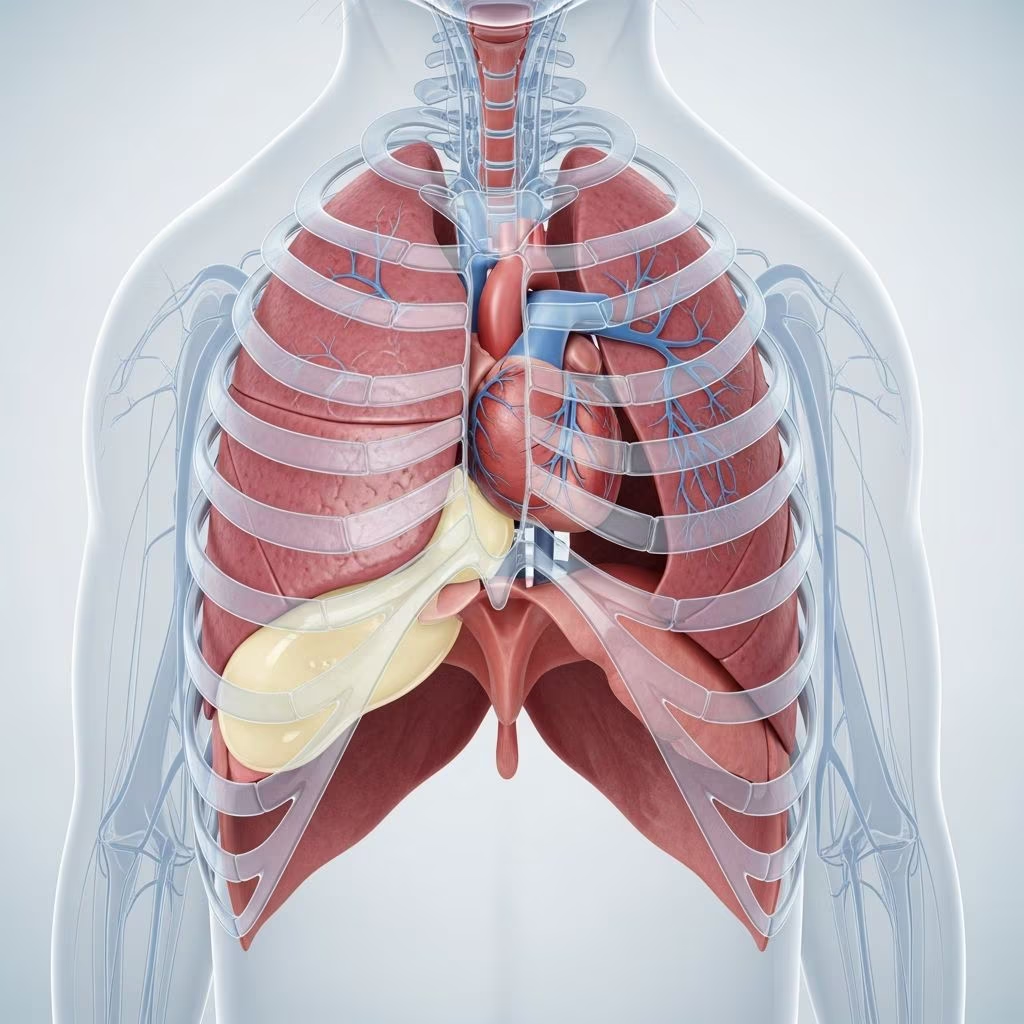
Chylothorax is a serious medical condition characterized by the accumulation of chyle—a nutrient-rich lymphatic fluid containing fats, proteins, and lymphocytes—within the pleural space surrounding the lungs and heart. When chyle accumulates in abnormal quantities in the chest cavity, it severely compromises a cat’s respiratory function and can become life-threatening if not properly managed. This condition represents one of the more challenging respiratory emergencies veterinarians encounter in feline medicine, requiring prompt diagnosis and immediate intervention to stabilize affected cats.
The pleural space is normally maintained as a potential space with only a small amount of lubricating fluid. When chylothorax develops, the accumulation of chyle creates a restrictive environment that prevents the lungs from expanding properly, leading to progressive breathing difficulties. Understanding the nature of this condition, recognizing its clinical presentation, and knowing the available treatment options are essential for cat owners facing this diagnosis.
What Causes Chylothorax in Cats?
Chylothorax can develop either as an idiopathic condition or secondary to an underlying disease process. Idiopathic chylothorax, where no identifiable cause can be determined, represents the most common diagnosis, though identification of underlying causes is critical for developing an appropriate treatment strategy.
Secondary causes of chylothorax include:
- Thoracic trauma or chest injuries
- Heart disease, including cardiomyopathy and structural cardiac abnormalities
- Heartworm disease
- Neoplasia or tumors affecting the thoracic cavity
- Lymphatic obstruction
- Inflammatory or infectious diseases
Certain feline populations appear to have increased susceptibility to chylothorax. Asian breeds, particularly Siamese and Himalayan cats, demonstrate a higher incidence of this condition compared to other breeds. While any age cat can develop chylothorax, older cats are statistically more likely to be affected, and the condition is suspected of being associated with cancer development in aging felines.
Clinical Signs of Chylothorax
The primary clinical sign of chylothorax is labored or difficult breathing, also known as dyspnea. Cats experiencing significant chyle accumulation often appear to be holding their breath due to a noticeable delay between inspiration and expiration. This breathing pattern, combined with other respiratory signs, should prompt immediate veterinary evaluation.
Common clinical manifestations include:
- Dyspnea (difficult or labored breathing)
- Tachypnea (rapid breathing)
- Coughing, which may be one of the first noticeable signs
- Weight loss and loss of appetite (anorexia)
- Depression and lethargy
- Inability to exercise or engage in normal activity
- Pale or bluish discoloration of the gums and mucous membranes
- Increased respiratory effort and muscle use
Coughing is a particularly important diagnostic indicator in feline chylothorax, as it is not typically observed with other forms of pleural effusion in cats. This distinguishing feature can serve as a valuable clue for veterinarians during the diagnostic process. The severity and rapidity of symptom onset depend on how quickly fluid has accumulated and the total volume of chyle present in the pleural space.
Diagnosis of Chylothorax
Veterinarians may initially suspect chylothorax based on a cat’s history of chest trauma, chest disease, or the combination of coughing and breathing difficulties. During physical examination, your veterinarian will use a stethoscope to listen to the chest in a process called auscultation. The accumulated fluid characteristically muffles both heart and lung sounds, creating a distinctive pattern that raises suspicion for pleural effusion.
To confirm the diagnosis, your veterinarian will need to perform specific diagnostic procedures:
Pleural Fluid Analysis
The definitive diagnostic tool involves drawing fluid directly from the pleural space. If chyle is identified within the collected fluid sample, this finding confirms the diagnosis of chylothorax. The fluid analysis provides critical information about the nature of the effusion and helps guide treatment decisions.
Imaging Studies
Before fluid withdrawal, your veterinarian may recommend an ultrasound examination of the chest to evaluate the internal thoracic cavity for any masses or structural abnormalities. Ultrasound provides excellent visualization of the heart and its structural integrity, helping ensure accurate diagnosis and ruling out concurrent cardiac disease that might contribute to chylothorax development.
Thoracic radiographs (chest X-rays) are also commonly used to visualize the extent of fluid accumulation and assess lung expansion. Serial radiographs during treatment help monitor response to therapy and track resolution of the effusion.
How Is Chylothorax Treated?
Treatment strategy for chylothorax involves a multi-faceted approach prioritizing immediate stabilization followed by long-term management of either the underlying cause or the fluid accumulation itself.
Initial Stabilization
The first priority in treating chylothorax is stabilizing the cat by restoring normal breathing capacity. Fluid is drained from the pleural space using a syringe and needle in a procedure called thoracocentesis. This drainage is both diagnostic and therapeutic—it removes accumulated fluid that is compromising respiration and allows the lungs to expand more fully. Immediate respiratory improvement typically follows fluid removal, as the pressure on the lungs is relieved.
Chest Drainage Management
In almost all cases, chyle will re-form within 24 to 72 hours following initial thoracocentesis. To manage this ongoing fluid accumulation, a chest drain is surgically placed to make daily drainage easier for both veterinary professionals and cat owners managing the condition at home. This chest tube remains in place until chyle accumulation stops completely, which may require weeks to months depending on the underlying cause and treatment response.
Medical Management Options
Several medical interventions can help reduce chyle production or improve the body’s ability to reabsorb accumulated fluid.
Dietary Modification
A low-fat diet is often recommended to lower triglyceride levels and improve the cat’s ability to reabsorb chyle from the chest cavity. Reducing dietary fat decreases the lymphatic fluid burden, potentially slowing or preventing further chyle accumulation.
Rutin Supplementation
Rutin is a supplement that may be beneficial for cats with chylothorax. This bioflavonoid is thought to stimulate immune cells called macrophages to remove fat in the chyle, reducing the amount of fluid accumulation. Preliminary findings suggest that greater than 25% of animals treated with rutin achieve complete resolution of their effusion within two months of initiating therapy. Rutin is available at pharmacies and health stores, with a recommended dose of 50 to 100 mg/kg body weight given orally every eight hours. While gastric irritation is the only recognized adverse effect in humans, potential complications in cats remain under investigation.
Octreotide
A medication called octreotide (Sandostatin) may be helpful in managing chylothorax, as it decreases the flow of chyle through the thoracic duct. However, success with this drug can be variable, and response rates differ among individual cats.
Surgical Intervention
For cats where medical management proves unsuccessful, surgical intervention may be necessary. Thoracic duct ligation combined with pericardectomy is considered the definitive surgical treatment for chylothorax and demonstrates high effectiveness in appropriate candidates. Surgical intervention is often undertaken when medical management fails to resolve idiopathic chylothorax, as medical approaches alone rarely achieve complete resolution in these cases.
Understanding Chylothorax Prognosis
Chylothorax is undoubtedly a serious and potentially fatal disease. However, the prognosis can be generally favorable if several critical conditions are met:
Breathing Must Be Stabilized
The cat must be physiologically capable of withstanding the initial diagnostic procedures and chest drainage tube placement. The accumulated fluid severely compromises respiration, and unfortunately, some cats succumb before sufficient fluid can be removed to improve their respiratory status. Others may die shortly after initial treatment due to irreversible damage caused by prolonged fluid accumulation.
Underlying Disease Identification and Treatment
When an underlying disease is identified as the cause of chylothorax, successful treatment of that underlying condition is essential. In many cases, however, no primary cause can be identified, leading to an idiopathic chylothorax diagnosis. In these cases, prognosis is usually good if fluid production can be controlled through medical or surgical intervention.
Prevention of Disease Recurrence
Chylothorax is likely to recur if the underlying disease cannot be identified and treated. In such situations, the cat must be closely monitored for the return of respiratory difficulty, requiring ongoing veterinary surveillance and possibly repeated interventions.
Potential Complications
Chronic chylothorax can result in life-threatening fibrosing pleuritis, a diffuse thickening of the pleura in response to chronic fluid exudation. This condition creates scar tissue that narrows the pleural space and constricts the lungs, potentially resulting in a restrictive pleuritis that prevents normal lung expansion. Fibrosing pleuritis can even occur after successful management of the initial chylothorax, creating long-term complications that may affect respiratory function.
Long-Term Care and Monitoring
Cats that recover from chylothorax require ongoing monitoring for several years following resolution. Periodic evaluations during routine veterinary examinations help detect any recurrence of the condition or development of attendant symptoms. Owners should carefully monitor their pets for any signs of breathing problems or return of clinical symptoms that characterized the initial presentation.
While chylothorax sometimes resolves spontaneously or after surgery, other cases prove resistant to all available treatments. Close collaboration with your veterinarian, adherence to recommended monitoring protocols, and attention to dietary modifications when prescribed can optimize outcomes for affected cats.
Frequently Asked Questions About Chylothorax in Cats
Q: How is chylothorax different from other types of pleural effusion?
A: Chylothorax is distinguished by the presence of chyle (lymphatic fluid) in the pleural space, whereas other effusions may contain transudate or modified transudate. Coughing is a notably common sign with chylothorax but relatively uncommon with other forms of pleural effusion in cats, making it an important diagnostic indicator.
Q: Can chylothorax be prevented?
A: Prevention depends on the underlying cause. While idiopathic chylothorax cannot be prevented, avoiding chest trauma, managing underlying cardiac disease, and monitoring for signs of heartworm disease may help reduce the risk of secondary chylothorax development in susceptible cats.
Q: Is chylothorax fatal?
A: Chylothorax is potentially life-threatening if not properly managed. However, with appropriate stabilization, fluid drainage, and either successful treatment of underlying disease or effective medical management, many cats can survive and experience good long-term quality of life.
Q: What is the success rate of rutin treatment for feline chylothorax?
A: Preliminary findings suggest that greater than 25% of animals treated with rutin achieve complete resolution of their effusion within two months of therapy initiation. However, evidence remains largely anecdotal, and individual response varies considerably.
Q: How long does a chest drain typically remain in place?
A: The duration of chest drain placement varies depending on the underlying cause and treatment response. Drains may remain in place for weeks to months until chyle accumulation has stopped completely and the pleural space has stabilized.
Q: Can a cat with chylothorax return to normal activity?
A: Many cats with successfully treated chylothorax can return to near-normal activity levels. However, long-term monitoring is essential, and some cats may experience residual exercise intolerance or require ongoing dietary management to prevent recurrence.
References
- VCA Animal Hospitals. Chylothorax in Cats — VCA Animal Hospitals. Available at: https://vcahospitals.com/know-your-pet/chylothorax-in-cats
- The medical management of idiopathic chylothorax in a domestic cat — PubMed Central (PMC539228). National Center for Biotechnology Information. Available at: https://pmc.ncbi.nlm.nih.gov/articles/PMC539228/
- Chylothorax in Cats: Symptoms, Diagnosis, and Treatment — PetMD. Available at: https://www.petmd.com/cat/conditions/respiratory/c_ct_chylothorax
- Chylothorax – American College of Veterinary Surgeons — American College of Veterinary Surgeons (ACVS). Available at: https://www.acvs.org/small-animal/chylothorax/
- Pet Health Network: Chylothorax in Cats — Pet Health Network. Available at: https://www.pethealthnetwork.com/cat-health/cat-diseases-conditions-a-z/chylothorax-cats



