

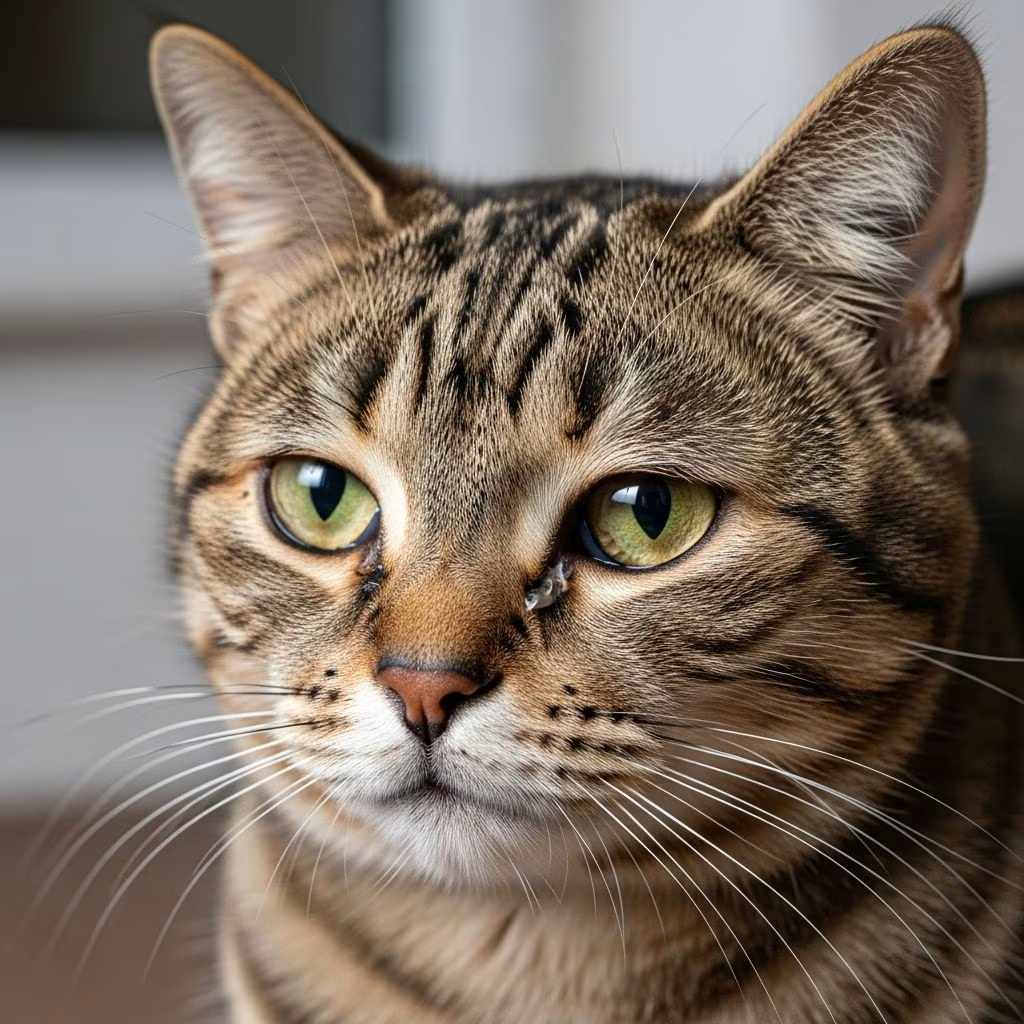
Understanding Chronic Upper Respiratory Tract Disease in Cats
Chronic upper respiratory tract disease represents one of the most common conditions affecting the nasal passages, sinuses, and throat in cats. This persistent condition can significantly impact a cat’s quality of life and requires careful management from both veterinarians and pet owners. Unlike acute upper respiratory infections that typically resolve within weeks, chronic upper respiratory disease persists for extended periods or recurs frequently, often without a clear underlying cause. Understanding this condition is essential for cat owners seeking to provide appropriate care and comfort for their affected feline companions.
Clinical Signs and Symptoms
The clinical presentation of chronic upper respiratory tract disease varies considerably among affected cats. A runny or stuffed-up nose represents the most common clinical sign, with nasal discharge typically being thick and often yellow in appearance. This discharge may also be red-tinged, indicating fresh blood, or brown, suggesting older blood. One or both nostrils may be involved in the disease process, and the chronic nature of these symptoms can be particularly distressing for owners to witness.
Because smell is essential to appetite in cats, many affected cats develop poor appetite and lose weight. Additionally, inflammation in the throat may make swallowing uncomfortable, leading to drooling in some cases. Affected cats may also experience chronic discharge from one or both eyes, creating a continuous discharge that requires regular cleaning. In severe cases, facial swelling and resentment of handling or touching the face may occur due to pain or soreness.
However, presentation varies significantly among affected cats. In other cases, chronic signs remain relatively mild, such as episodes of sneezing accompanied by clear nasal or ocular discharge. Cats with mild symptoms usually retain a normal appetite and may cause more distress to the owner through constant sneezing or runny nose than to the cat itself.
Potential Underlying Causes
Understanding potential causes of chronic upper respiratory tract disease helps guide diagnostic and treatment approaches. Common underlying factors include:
- Viral infections, particularly feline herpesvirus (FHV) and feline calicivirus (FCV)
- Secondary bacterial infections
- Allergic components contributing to chronic inflammation
- Foreign bodies lodged in nasal passages
- Anatomical abnormalities affecting airflow
- Dental disease with chronic drainage into nasal passages
- Environmental irritants and pollutants
Diagnostic Approach and Evaluation
Proper diagnosis of chronic upper respiratory tract disease involves a thorough veterinary evaluation. Your veterinarian will begin with a comprehensive physical examination, paying particular attention to the nasal passages, sinuses, and throat region. Additional diagnostic tools may include:
- Nasal swabs for bacterial culture and sensitivity testing
- Viral testing to identify herpesvirus or calicivirus
- Imaging studies such as radiographs or computed tomography (CT) scans
- Rhinoscopic examination to visualize nasal passages directly
- Allergy testing if allergic components are suspected
In many cases, no specific initiating cause can be found despite thorough investigation. This frustrating reality means that treatment must often focus on managing symptoms rather than addressing a specific underlying disease.
Treatment Options and Management Strategies
The test results and diagnosis will determine the most appropriate treatment approach. However, managing chronic upper respiratory tract disease often requires a multimodal approach combining several treatment strategies.
Antibiotic Therapy
Antibiotics typically give an initial dramatic improvement that is often short-lived. The disease is frequently associated with secondary bacterial infection, and antibiotics usually improve clinical signs. However, because the underlying cause often remains viral in nature, antibiotic benefits tend to be temporary unless a specific bacterial infection is identified and treated with targeted therapy.
Nutritional Supplements and Immune Support
Targeted nutritional supplements that promote a strong immune system can be helpful, especially in chronic viral infections. Amino acid supplements, particularly L-lysine, have shown promise in reducing the severity and frequency of herpesvirus-related symptoms by reducing bioavailability of arginine and repressing viral replication. These supplements work by supporting the cat’s natural immune response rather than directly treating the infection.
Antiviral and Immunostimulating Medications
Anti-viral and immune-stimulating medications may be beneficial in some cases. For feline herpesvirus infections, systemic treatment with famciclovir has demonstrated benefit in some cases, while ganciclovir eye drops can address corneal lesions. Novel immunotherapeutic protocols showing promise include intraperitoneal injections of lipid-DNA complexes encoding the feline interleukin-2 gene, which have shown improvement in sneezing and nasal discharge in clinical studies.
Anti-inflammatory Medications
Anti-inflammatories play an important role in treatment by reducing airway swelling and improving breathing while decreasing secretion production. Corticosteroids or other anti-inflammatories in the form of nose drops, tablets, or injections can help relieve inflammation and improve respiratory comfort. These medications work by retarding leukocyte function and migration, blocking phospholipase A, and suppressing delayed hypersensitivity reactions.
Inhalation and Nebulization Therapy
Nebulisation therapy can provide significant relief for cats with chronic rhinitis. Nebulisers produce a cloud of very fine water droplets that are breathed in, helping to moisten the airways in the nose. This therapy is particularly helpful in chronic rhinitis, as nasal secretions can be very thick, and nebulisation makes sneezing more productive. Cats need to be trained to tolerate the nebuliser near their face in a similar way to training to an inhaler device. Additionally, cats can be placed in a pet carrier with a vaporizer placed under a blanket to create a steamy environment that helps ease congestion.
Supportive Care and Home Management
Good nursing care is extremely important in managing chronic upper respiratory tract disease. This includes keeping the cat’s face clean and clear of discharges, which requires gentle daily wiping with soft, damp cloths. Encouraging adequate nutrition by providing warmed-up food that is strong-smelling helps combat the appetite loss that results from diminished sense of smell. Providing a comfortable, private place to rest with good ventilation, maintaining proper humidity levels, and ensuring adequate fluid intake all contribute to improved comfort and recovery.
Medications to Avoid
Pet owners should be aware that human nasal decongestant drops should be avoided, as these can be toxic to cats and may cause more severe disease. Medications containing acyclovir or ribavirin must also not be used in cats, as these can cause adverse effects. Always consult with your veterinarian before administering any over-the-counter medications or home remedies.
Long-Term Prognosis and Outcome
The long-term prognosis depends significantly on the underlying cause and the individual cat’s response to treatment. Some causes can be treated, resulting in complete cure—for example, removing a blade of grass from a cat’s nose will immediately resolve symptoms in that case. However, many cats will experience chronic or recurrent disease throughout their lives. In these cases, medication may be required to make the cat more comfortable and improve quality of life rather than achieving complete resolution.
Despite veterinary best efforts, some cases remain chronic or at least recurrent. The treatment goal in these challenging cases shifts to reducing the cat’s discomfort through periodic medication and improving its overall quality of life rather than achieving a permanent cure.
When to Seek Immediate Veterinary Care
While chronic upper respiratory tract disease is typically not immediately life-threatening, certain warning signs require immediate veterinary attention:
- Severe difficulty breathing or open-mouth breathing
- Heavy, persistent discharge blocking airways
- Complete loss of appetite for more than 24 hours
- Severe lethargy or unusual behavior changes
- Green-yellow discharge suggesting severe bacterial infection
- Fever lasting more than a few days
- Signs of pain including unwillingness to eat or extreme facial sensitivity
If left untreated or if secondary complications develop, upper respiratory infections can progress to pneumonia or result in other serious complications.
Frequently Asked Questions
Q: Is chronic upper respiratory tract disease contagious to other cats?
A: Yes, the viral components of chronic upper respiratory tract disease, particularly feline herpesvirus and calicivirus, are contagious to other cats. Infected cats should be separated from unvaccinated or immunocompromised cats to prevent transmission.
Q: Can indoor cats get chronic upper respiratory disease?
A: Yes, indoor cats can develop chronic upper respiratory tract disease. While the risk is lower than in outdoor cats, indoor cats can still contract viral infections through contact with other cats or contaminated objects.
Q: How long does it take to see improvement with treatment?
A: Response to treatment varies considerably. Some cats show dramatic improvement within days, particularly with antibiotic therapy for bacterial infections, while others may require weeks to show noticeable changes. Antiviral and immune-supporting treatments typically require longer treatment periods to demonstrate effectiveness.
Q: Will my cat need lifelong medication?
A: This depends on the underlying cause and individual response to treatment. Some cats recover completely, while others require periodic or ongoing medication to maintain comfort and quality of life. Your veterinarian can provide a more specific prognosis based on your cat’s individual situation.
Q: Can vaccination prevent chronic upper respiratory disease?
A: Routine vaccinations against feline herpesvirus and calicivirus provide protection against initial infection but do not guarantee prevention of chronic disease in all cases. Vaccinated cats may still develop disease if exposed to certain viral strains or if immune compromise occurs.
Q: What role does nutrition play in recovery?
A: Proper nutrition is critical for immune function and recovery. Many cats with chronic upper respiratory disease develop poor appetite due to diminished sense of smell, making nutritional support through warmed, aromatic foods and supplements particularly important for maintaining health.
References
- Chronic Upper Respiratory Tract Disease — International Cat Care. https://icatcare.org/articles/chronic-upper-respiratory-tract-disease
- Chronic Upper Respiratory Tract Disease — VCA Animal Hospitals. https://vcahospitals.com/know-your-pet/chronic-upper-respiratory-tract-disease
- What to Do with Chronic Feline Upper Respiratory Infections (URI) — Laboklin. https://laboklin.com/en/what-to-do-with-chronic-feline-upper-respiratory-infections-uri/
- Snots and Snuffles: Rational Approach to Chronic Feline Upper Respiratory Disease — PubMed Central. https://pmc.ncbi.nlm.nih.gov/articles/PMC11148990/
- Cat Upper Respiratory Infection Symptoms and Treatments — WebMD Pets. https://www.webmd.com/pets/cats/upper-respiratory-infection-cats
- Respiratory Infections — Cornell University College of Veterinary Medicine. https://www.vet.cornell.edu/departments-centers-and-institutes/cornell-feline-health-center/health-information/feline-health-topics/respiratory-infections



