

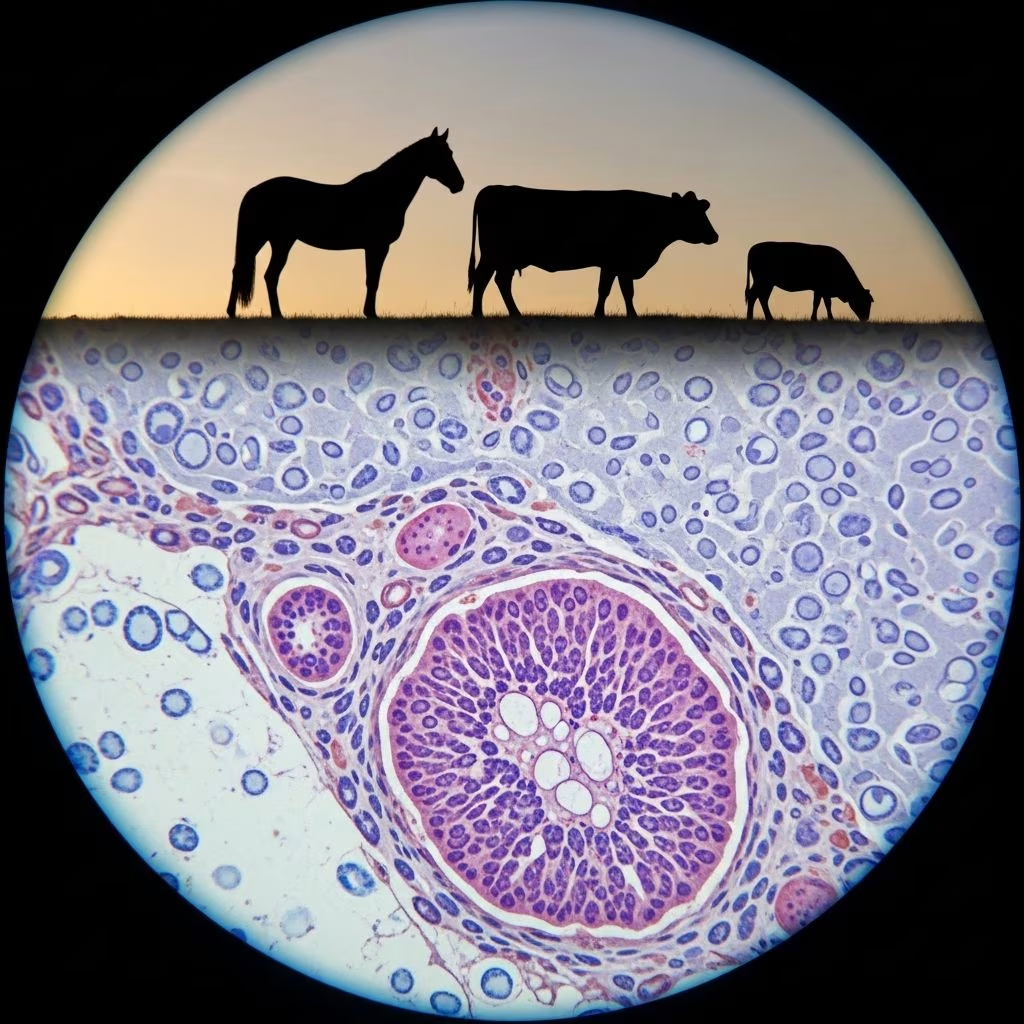
Chronic progressive hepatitis represents a significant challenge in large animal veterinary practice, characterized by ongoing liver inflammation that leads to fibrosis, cirrhosis, and eventual organ failure if untreated. This condition affects species such as horses, cattle, sheep, and goats, often resulting from toxic, infectious, or metabolic insults that impair hepatic function over time.
Pathophysiology and Disease Development
The liver in large animals serves critical roles in detoxification, metabolism, and bile production. When exposed to persistent stressors, hepatocytes undergo repeated injury, triggering inflammatory cascades involving lymphocytes, macrophages, and plasma cells. This chronic inflammation promotes fibroblast activation, leading to collagen deposition and bridging fibrosis that disrupts normal architecture.
In horses, zone-specific damage often occurs centrilobularly due to hypoxic injury or toxins, while ruminants may exhibit periportal patterns linked to copper accumulation. Advanced stages feature regenerative nodules amid extensive scarring, culminating in portal hypertension, ascites, and hepatic encephalopathy (HE). Unlike acute hepatitis, progression is insidious, with subclinical phases allowing compensatory hypertrophy before decompensation.
- Key mechanisms: Oxidative stress from reactive oxygen species damages cell membranes.
- Fibrotic progression: Transforming growth factor-beta (TGF-β) drives extracellular matrix accumulation.
- Regenerative failure: In severe cases, nodular hyperplasia replaces functional parenchyma.
Primary Causes and Risk Factors
Diverse etiologies contribute to chronic progressive hepatitis, categorized into toxic, nutritional, infectious, and idiopathic groups. Pyrrolizidine alkaloids from plants like Senecio species cause veno-occlusive disease in horses, leading to megalocytosis and fibrosis. Copper toxicity predominates in sheep and certain cattle breeds, with hepatic concentrations exceeding 1000 µg/g dry matter prompting overload.
Infectious agents such as Fasciola hepatica (liver fluke) induce biliary proliferation and periportal fibrosis in ruminants. Metabolic disorders, including fatty liver in high-producing dairy cows, exacerbate progression. Breed predispositions exist; Bedlington terriers analogously inform copper-related risks in sheep, though large animals lack direct genetic parallels.
| Cause Category | Examples in Large Animals | Species Most Affected |
|---|---|---|
| Toxic | Pyrrolizidine alkaloids, Alsike clover | Horses |
| Nutritional/Metabolic | Copper excess, Iron overload | Sheep, Goats |
| Infectious | Liver flukes, Leptospirosis | Cattle, Sheep |
| Idiopathic/Immune-mediated | Chronic active hepatitis | Horses |
Clinical Manifestations Across Stages
Early disease often presents subtly with weight loss, lethargy, and poor performance in horses, or reduced milk yield in cattle. As fibrosis advances, icterus (jaundice), ventral edema, and colic-like signs emerge due to bile acid retention and portal hypertension. Hepatic encephalopathy manifests as depression, circling, head pressing, or aggression, driven by ammonia neurotoxicity.
Ruminants may show photosensitization from phylloerythrin accumulation, while horses exhibit recurrent uveitis or laminitis secondary to endotoxemia. Terminal stages include coagulopathies, hemorrhage, and hemolytic crises in equids, with prolonged prothrombin time (PT) as an early marker since factor VII has the shortest half-life.
- Early: Elevated liver enzymes (AST, ALP, GGT), normal bilirubin.
- Moderate: Hyperbilirubinemia, hypoalbuminemia, increased bile acids.
- Advanced: Ascites, HE, thrombocytopenia.
Diagnostic Approaches
Diagnosis hinges on integrating history, clinical pathology, imaging, and histopathology. Serum biochemistry reveals persistent ALT/AST elevations (2-10x normal), followed by hyperglobulinemia and low albumin. Coagulation profiles assess PT/aPTT prolongation, critical for biopsy candidacy.
Ultrasonography detects hepatomegaly, nodular contours, or bile duct dilation; color Doppler evaluates vascular narrowing. Definitive confirmation requires liver biopsy via laparoscopic or ultrasound-guided methods, preferred in coagulopathic patients for hemostasis control. Histology scores inflammation, fibrosis (Masson’s trichrome), and copper (Rhodanine stain).
Bile acid stimulation tests confirm dysfunction, while toxicology screens for alkaloids. In high-risk cases (PCV <30%, platelets <50,000/µL), laparoscopy minimizes complications over tru-cut needles.
Treatment Strategies and Supportive Care
Therapy targets etiology removal, inflammation suppression, and regeneration support. For toxic cases, eliminate exposure; copper chelators like D-penicillamine (15-20 mg/kg PO q24h) reduce hepatic burden in sheep. Anthelmintics (e.g., clorsulon for flukes) address parasitism.
Immunomodulation with prednisolone (0.5-1 mg/kg PO q24h, tapered) benefits immune-mediated forms, combined with antioxidants like S-adenosylmethionine (SAMe, 20 mg/kg PO). Hepatoprotectants such as silymarin or phosphatidylcholine (25-50 mg/kg) mitigate fibrosis. Nutritional support via enteral feeding prevents catabolism; low-protein diets curb HE.
Manage complications: lactulose (0.5 mL/kg PO q8h) for encephalopathy, plasma transfusions for coagulopathy, and diuretics (furosemide 1 mg/kg IV) for ascites. Early intervention before bridging fibrosis yields best outcomes.
Prognostic Indicators
Prognosis correlates with fibrosis extent, hypoalbuminemia (<2.5 g/dL), hyperbilirubinemia (>5 mg/dL), and ascites presence. Horses with minimal fibrosis survive >2 years; cirrhotic cases succumb within months. Ruminants with copper overload respond well to chelation if detected pre-cirrhosis.
| Good Prognosis Factors | Poor Prognosis Factors |
|---|---|
| Early detection, mild fibrosis | Cirrhosis, HE, coagulopathy |
| Identifiable/reversible cause | Ascites, hypoalbuminemia |
| Regenerative hepatocytes on biopsy | Bridging fibrosis, nodules |
Prevention and Management in Practice
Preventive strategies include pasture management to avoid hepatotoxic plants, balanced mineral supplementation, and routine deworming. Monitor high-risk herds (e.g., Bedlington-like sheep breeds) with annual liver enzymes. Owner education on early signs enhances outcomes.
In outbreaks, such as aflatoxicosis from contaminated feed, remove sources promptly. Research emphasizes serial biopsies to track progression, informing therapy adjustments.
Frequently Asked Questions (FAQs)
What are the first signs of chronic hepatitis in horses?
Initial indicators include unexplained weight loss, poor coat quality, and recurrent colic, often preceding jaundice.
Can chronic hepatitis be cured in cattle?
Complete cure is rare; management halts progression if initiated before cirrhosis, with supportive care extending life.
Is liver biopsy safe for large animals?
Yes, when coagulation is normal; laparoscopy is safer for at-risk patients, with low complication rates.
How does copper toxicity cause hepatitis in sheep?
Excess copper accumulates in hepatocytes, inducing oxidative damage and necrosis, progressing to fibrosis.
What diet is best for animals with liver disease?
High-quality, moderate-protein feeds with antioxidants; avoid copper-rich supplements.
References
- Overview of Hepatic Disease in Large Animals — Merck Veterinary Manual. 2023-06-20. https://www.merckvetmanual.com/digestive-system/hepatic-disease-in-large-animals/overview-of-hepatic-disease-in-large-animals
- Canine Chronic Hepatitis — MSD Veterinary Manual. 2024-01-15. https://www.msdvetmanual.com/digestive-system/hepatic-diseases-of-small-animals/canine-chronic-hepatitis
- ACVIM Consensus Statement on Diagnosis and Treatment of Chronic Hepatitis in Dogs — PMC (NCBI). 2019-05-01. https://pmc.ncbi.nlm.nih.gov/articles/PMC6524396/
- Diagnosis and Treatment of Chronic Hepatitis in Dogs — MSPCA Angell. 2022-10-12. https://www.mspca.org/angell_services/diagnosis-and-treatment-of-chronic-hepatitis-in-dogs-summary-of-the-2019-acvim-consensus/
- Chronic Hepatitis in Dogs (Proceedings) — dvm360. 2021-03-05. https://www.dvm360.com/view/chronic-hepatitis-dogs-proceedings



