

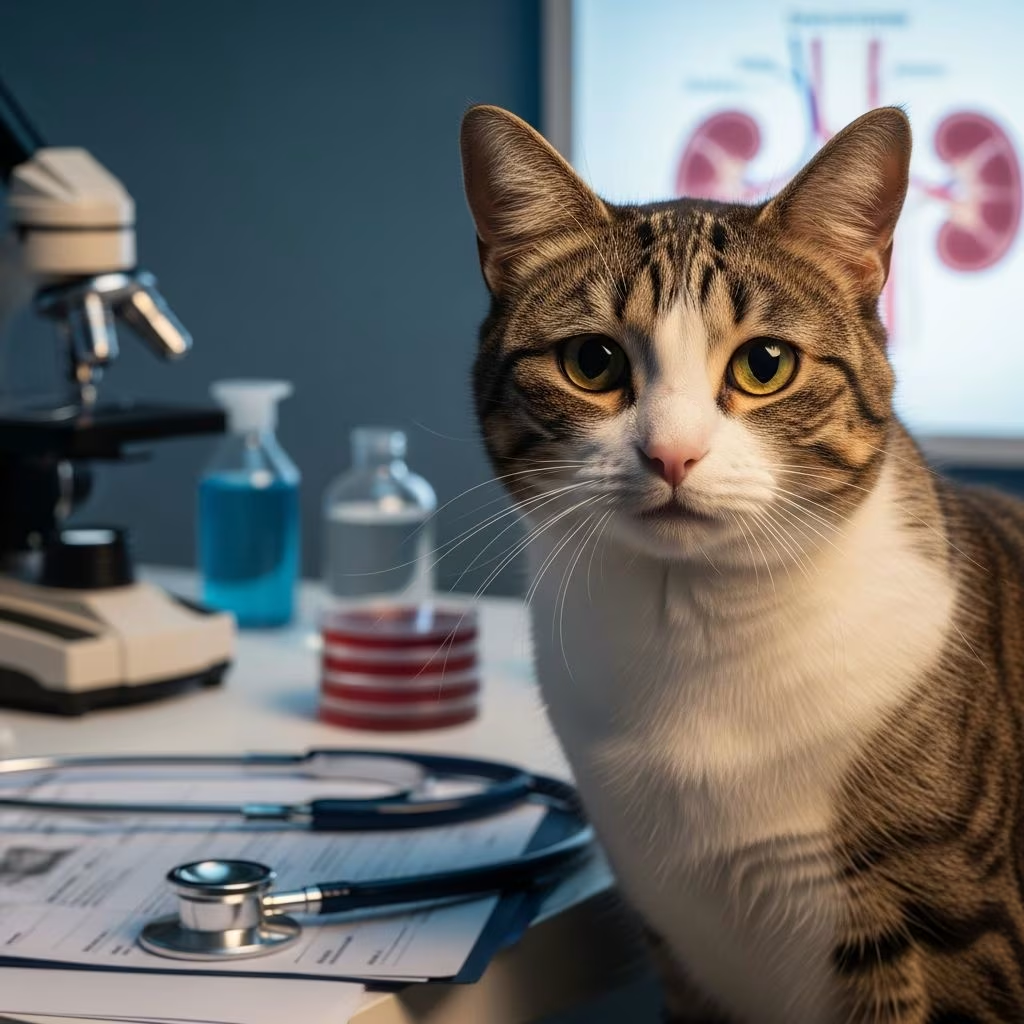
Understanding Chronic Kidney Disease in Cats
Chronic kidney disease (CKD), also known as chronic renal failure or renal insufficiency, is one of the most common medical conditions affecting cats, particularly as they age. The kidneys are vital organs responsible for filtering waste products from the blood and maintaining proper fluid and electrolyte balance in the body. When kidney function deteriorates over time, these essential processes become compromised, leading to a buildup of toxins and waste in the bloodstream. Unfortunately, CKD is a progressive disease with no definitive cure, so the goal of treatment is to slow its progression and maintain a good quality of life for affected cats.
What Causes Chronic Kidney Disease in Cats?
Chronic kidney disease can develop from various underlying causes. Common factors include aging, genetic predisposition, hypertension (high blood pressure), certain infections, and systemic diseases. However, in many cases, the exact cause remains unknown. The disease develops gradually as kidney tissue is damaged and replaced with scar tissue, progressively reducing the organ’s ability to function effectively. Early detection is crucial because intervention in the early stages can significantly slow disease progression.
Recognizing the Symptoms of Kidney Disease
Recognizing the signs of chronic kidney disease is essential for early intervention. Cat owners should be vigilant about changes in their pet’s behavior and health. Key symptoms include:
- Increased thirst and increased urination
- Poor appetite or decreased interest in food
- Weight loss despite eating
- Lethargy and decreased activity levels
- Vomiting or nausea
- Bad breath or oral odor
- Dehydration
- Unkempt or dull coat appearance
These symptoms often develop gradually, which is why many cats are not diagnosed until significant kidney damage has occurred. In fact, kidney failure will not show up on most blood profiles until 85% of kidney function has been lost. This underscores the importance of regular veterinary check-ups, especially for senior cats.
Diagnostic Tests for Kidney Disease
Veterinarians employ several diagnostic tools to evaluate kidney function and confirm a diagnosis of chronic kidney disease. A thorough physical examination is the first step, followed by specific laboratory tests.
Blood Work
Blood tests are essential for assessing kidney function. Veterinarians look for elevated levels of creatinine and blood urea nitrogen (BUN), which indicate declining kidney function. These values help determine the stage of the disease and guide treatment decisions.
Urinalysis
A urinalysis provides valuable information about kidney function and can reveal the presence of protein in the urine (proteinuria), which is an important marker of kidney disease severity. This test also helps identify secondary infections.
Blood Pressure Measurement
Many cats with kidney failure have high blood pressure, which can lead to further kidney damage. Measuring blood pressure is a routine part of the diagnostic workup.
Imaging Studies
Ultrasound or X-rays may be recommended to visualize the kidneys and assess their size, shape, and structure, helping to identify any abnormalities that might indicate disease.
Stages of Chronic Kidney Disease
Chronic kidney disease is classified into four stages based on kidney function and blood creatinine levels. Each stage requires different management approaches and treatment priorities.
Stage 1 CKD
In stage 1, kidney function is minimally affected, though some clinical signs may be present. Focus is on identifying and treating any underlying diseases.
Stage 2 CKD
Stage 2 involves mild to moderate kidney dysfunction. This stage is critical for intervention as renoprotective treatments can significantly slow disease progression. Dietary management and blood pressure control become increasingly important.
Stage 3 CKD
Stage 3 represents moderate to severe kidney dysfunction with more pronounced clinical signs. Continued renoprotective treatments are essential as progressive renal disease is occurring. Treatment focuses on managing symptoms while attempting to slow progression.
Stage 4 CKD
Stage 4 is end-stage renal disease, characterized by severe kidney dysfunction and significant clinical signs. With proper treatment, cats with as little as 5% kidney function can survive for a long time. Management focuses primarily on quality of life and controlling clinical signs associated with decreased renal function.
Comprehensive Treatment Options
Dietary Management
One of the most important treatments for cats with any kind of kidney disease is being on a restricted diet designed to help with hydration and decrease toxin buildup in the blood. Special renal support diets are formulated to be lower in protein and phosphorus while maintaining adequate calories and other essential nutrients. Cats with CKD fed a renal support diet live twice as long as cats fed a maintenance diet, making this intervention one of the most impactful treatment strategies available.
A gradual transition over several weeks from a maintenance diet to a renal diet helps avoid food aversion and ensures better compliance. This slow transition allows the digestive system to adapt and increases the likelihood that your cat will accept the new diet long-term.
Phosphorus Management
Reduction of phosphorus intake is a major treatment goal for cats with stage 2 and beyond CKD. Oral phosphate binders such as aluminum hydroxide help to lower the amount of phosphorus absorbed through the gut wall. These binding agents work in combination with the phosphorus-restricted diet to achieve target phosphorus levels. Additional phosphorus restriction through the use of phosphate binding agents may be necessary if dietary management alone is insufficient to meet treatment goals.
Blood Pressure Management
Many cats with kidney failure have high blood pressure, which leads to further kidney damage. High blood pressure can be managed with medications such as benazepril or amlodipine. These antihypertensive medications work by normalizing systemic and intraglomerular blood pressures and may also reduce proteinuria. Close monitoring of blood pressure and kidney function is essential when using these medications.
Potassium Supplementation
Cats in renal failure tend to lose too much potassium in the urine. This leads to muscle weakness, stiffness, and poor hair quality. Low potassium levels may also contribute to the worsening of kidney failure. Potassium supplementation helps correct this deficiency and supports overall health maintenance.
B Vitamin Supplementation
When the failing kidneys cannot concentrate the urine, water-soluble vitamins like B12 become depleted, and affected cats need supplementation. B vitamin loss is particularly significant in cats with CKD, and supplementation can help maintain energy levels and support overall metabolism.
Anti-Emetic Medications
For those cats experiencing vomiting, using anti-emetics (anti-vomiting medications) such as Cerenia and antacids like famotidine reduces nausea, thereby improving appetite. Antinausea medications are useful to help control stomach upset stemming from kidney disease. These medications significantly improve quality of life by allowing affected cats to maintain better nutrition and hydration.
Appetite Stimulants
Appetite stimulants such as mirtazapine, cyproheptadine, and diazepam may be recommended if your cat is not eating well. Loss of appetite is a common complication of advanced kidney disease, and stimulating appetite helps prevent the catabolic spiral of calorie malnutrition, which is one of the primary management goals in advanced CKD.
Anemia Management
Many cats with CKD are anemic due to a lack of stimulation of the bone marrow. Newer drugs have been developed to help stimulate bone marrow production and may be prescribed for your cat. In stage 4 kidney failure, if your cat is anemic with a packed cell volume (PCV) less than 20%, erythropoietin or darbepoietin may be recommended to support red blood cell production.
Fluid Therapy
In the later stages of CKD, cats cannot drink enough to maintain healthy hydration. Subcutaneous (SQ) fluids are well tolerated by cats and can improve their quality of life significantly. These fluids are administered under the skin and help maintain proper hydration and support kidney function. In some cases, your veterinarian may recommend regular at-home fluid administration to keep your cat hydrated.
Infection Prevention and Management
Cats with CKD develop bladder infections more frequently, increasing the risk of kidney infections. Therefore, routine urine cultures are recommended for many patients. Antibiotics may be prescribed when infections are detected to prevent serious complications. Additionally, if your pet has dental disease, a dental cleaning is recommended, though at advanced stages this may require additional hospitalization and special protocols.
Advanced Treatment Considerations
As kidney disease progresses to stage 4, additional interventions may become necessary. In cases where cats are not eating well and appetite stimulants are insufficient, your veterinarian may discuss placing a feeding tube. This allows for easier access to perform feedings and administer medications, ensuring your cat receives adequate nutrition and treatment even when appetite is severely compromised.
Hospitalization with IV fluids and IV medications may be required to help flush out the kidneys and manage severe clinical signs. Anabolic steroids can aid in kidney function and regrowth of red blood cells, supporting overall health in advanced disease. Additionally, arthritis medications or pain medications may be required for joint pain, as older cats with kidney disease often have concurrent orthopedic issues.
Monitoring and Follow-Up Care
Regular veterinary exams, blood tests, and urine tests will help track your cat’s kidney function and adjust treatment as needed. Early detection of any changes can lead to better management of the disease. Veterinarians typically recommend reevaluating patients every one to two months, with closer monitoring during treatment adjustments. Understanding the diagnostic and therapeutic priorities based on the stage of CKD facilitates appropriate management and helps ensure your cat receives the most effective treatment at each disease stage.
Frequently Asked Questions About Feline Kidney Disease
Q: How is chronic kidney disease diagnosed in cats?
A: CKD is diagnosed through a combination of blood tests (measuring creatinine and BUN levels), urinalysis, blood pressure measurement, and imaging studies such as ultrasound or X-rays. A complete physical examination by your veterinarian is essential for proper diagnosis.
Q: What is the life expectancy for cats with chronic kidney disease?
A: With proper treatment, cats with even minimal kidney function can survive for extended periods. Cats with CKD fed a renal support diet live twice as long as cats fed a maintenance diet. The prognosis depends on the disease stage at diagnosis, compliance with treatment, and the cat’s overall health.
Q: Can chronic kidney disease in cats be cured?
A: Unfortunately, CKD is a progressive disease with no definitive cure. However, appropriate treatment can significantly slow disease progression, manage symptoms, and maintain a good quality of life for affected cats.
Q: What dietary changes should cats with CKD make?
A: Cats with CKD should be transitioned to a special renal support diet that is lower in protein and phosphorus. This gradual transition over several weeks helps prevent food aversion and improves long-term compliance with dietary management.
Q: How often should cats with CKD visit their veterinarian?
A: Cats with CKD should be reevaluated every one to two months, with more frequent monitoring during treatment adjustments or disease progression. Regular blood tests and urinalysis help track kidney function and ensure optimal treatment management.
Q: Are there side effects to kidney disease medications?
A: While most medications used to treat CKD are well-tolerated, some cats may experience side effects. Your veterinarian will monitor your cat closely and adjust medications as needed to minimize adverse effects while maintaining therapeutic benefits.
Q: Can I give my cat supplements at home?
A: Always consult with your veterinarian before administering any supplements. Certain supplements like B vitamins and potassium supplementation are beneficial for cats with CKD, while others may be contraindicated. Your veterinarian can recommend appropriate supplements based on your cat’s specific needs.
References
- Treatment Guidelines for Chronic Kidney Disease in Dogs & Cats — Today’s Veterinary Practice. 2024. https://todaysveterinarypractice.com/urology-renal-medicine/treatment-chronic-kidney-disease-dogs-cats/
- Chronic Kidney Disease in Cats — VCA Animal Hospitals. 2025. https://vcahospitals.com/know-your-pet/kidney-failure-chronic-in-cats
- Kidney Failure in Cats: Symptoms, Stages and Causes — PetMD. 2024. https://www.petmd.com/cat/conditions/urinary/kidney-failure-in-cats
- Feline CKD: Current therapies – what is achievable? — PMC – National Institutes of Health. 2024. https://pmc.ncbi.nlm.nih.gov/articles/PMC10816691/
- Chronic Kidney Disease — Cornell University College of Veterinary Medicine. 2024. https://www.vet.cornell.edu/departments-centers-and-institutes/cornell-feline-health-center/health-information/feline-health-topics/chronic-kidney-disease
- Feline Chronic Kidney Disease — GQ Vet Clinic. 2024. https://www.gqvet.com/feline-chronic-kidney-disease/



