

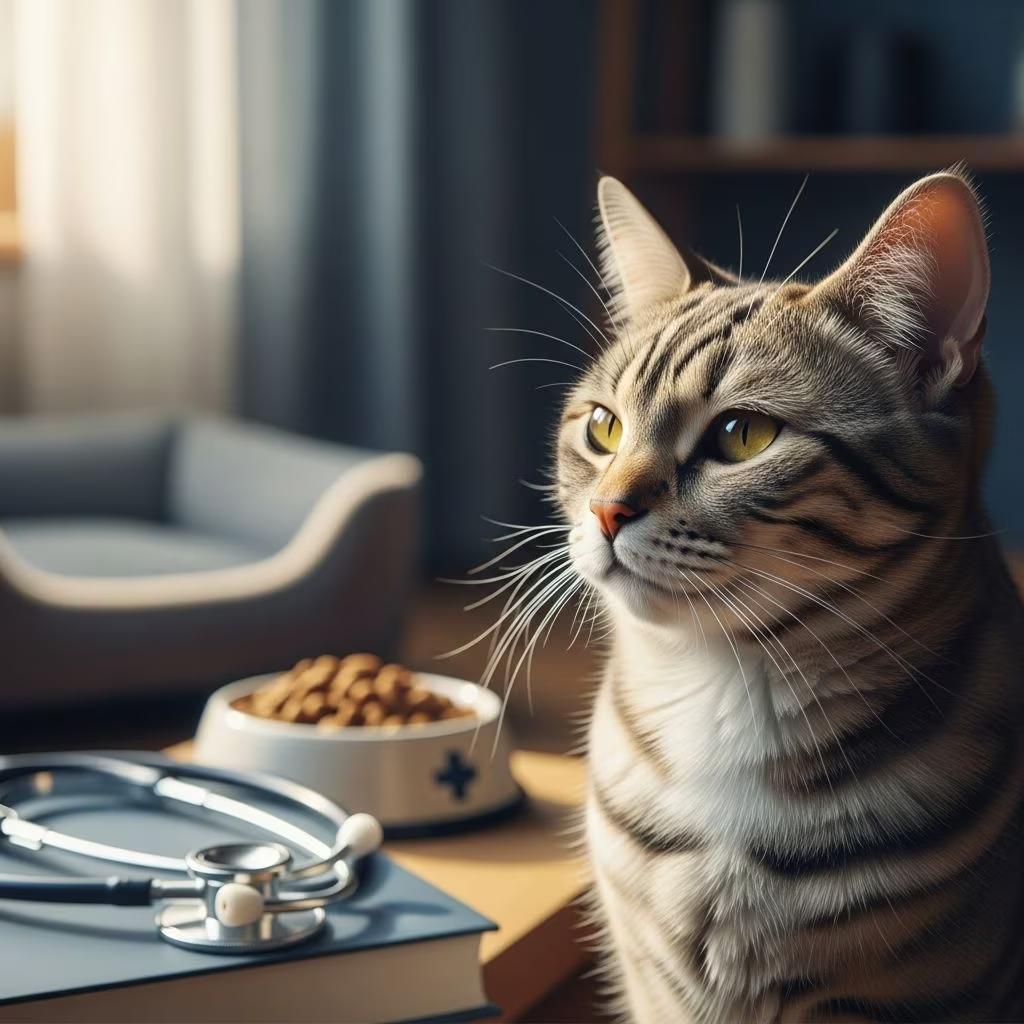
Understanding Chronic Kidney Disease in Cats
Chronic kidney disease (CKD), also known as chronic renal failure or renal insufficiency, is one of the most common conditions affecting senior cats. This progressive disease occurs when the kidneys gradually lose their ability to filter waste products from the blood and maintain proper fluid balance. Unlike acute kidney failure, which develops suddenly, chronic kidney disease develops slowly over months or years, making early detection and management crucial for extending your cat’s quality of life.
The kidneys are vital organs responsible for removing metabolic waste through urine production and regulating electrolytes, blood pressure, and red blood cell production. When kidney function declines, these essential processes become compromised, leading to the accumulation of toxins and fluid imbalances throughout the body.
Stages of Feline Kidney Disease
Veterinarians classify chronic kidney disease into four stages based on creatinine levels and clinical signs. Understanding these stages helps pet owners comprehend the progression and appropriate treatment interventions.
Stage 1: Early Detection
Stage 1 represents the earliest phase of kidney disease when clinical signs are minimal or absent. Most cats at this stage maintain relatively normal creatinine levels, though subtle changes may be detectable through advanced diagnostic testing. Early intervention at this stage is critical, as appropriate dietary and medical management can significantly slow disease progression.
Stage 2: Progressive Insufficiency
At Stage 2, kidney function continues to decline, and clinical signs become more apparent. Cats may exhibit increased thirst and urination. This stage requires intensified management strategies including specialized diets, supplements, and monitoring protocols.
Stage 3: Advanced Disease
Stage 3 represents significant kidney damage with notable clinical manifestations. Cats typically experience increased thirst, frequent urination, weight loss, and decreased appetite. Renoprotective treatments become essential to slow further progression.
Stage 4: End-Stage Renal Failure
Stage 4 is the terminal stage where kidney function is severely compromised. At this point, management focuses primarily on maintaining comfort and quality of life rather than slowing disease progression. Many cats require intensive supportive care including fluid therapy and medications to manage symptoms.
Common Signs and Symptoms
Recognizing the early warning signs of kidney disease allows for prompt veterinary intervention. Common symptoms include:
Increased thirst and urination represent the most frequently observed early signs. Cats may drink excessively and require more frequent litter box visits. Weight loss occurs as the body loses muscle mass and appetite declines. Poor coat quality develops due to nutritional deficiencies and dehydration. Vomiting and nausea result from uremic toxin accumulation. Lethargy and decreased activity levels indicate the cat’s reduced energy and overall declining health. Bad breath and mouth ulcers develop from uremic toxins affecting the oral cavity. Loss of appetite makes nutritional support increasingly difficult. Anemia causes pale gums and reduced activity.
Diagnostic Procedures
Accurate diagnosis requires comprehensive veterinary assessment and laboratory testing. Blood work measures creatinine and blood urea nitrogen (BUN) levels, which indicate kidney function. Elevated values suggest declining renal function, though kidney disease may not be apparent until approximately 85 percent of kidney function is lost. Urinalysis evaluates urine concentration and detects protein or infection. Blood pressure measurement identifies hypertension, a common complication requiring treatment. Ultrasound imaging visualizes kidney structure and detects abnormalities. SDMA (symmetric dimethylarginine) testing offers earlier detection of kidney dysfunction than traditional creatinine measurements.
Treatment Options and Management Strategies
Therapeutic Diets
Specialized kidney support diets form the foundation of chronic kidney disease management. These prescription diets are formulated with restricted protein and low phosphorus content to reduce waste product accumulation in the bloodstream. The protein restriction helps minimize uremic toxin production, while phosphorus limitation is crucial since diseased kidneys cannot effectively regulate phosphorus excretion. Studies demonstrate that cats fed renal support diets live approximately twice as long as cats maintained on standard maintenance diets. Gradual dietary transition over several weeks prevents food aversion and helps cats adjust to the new diet. Pet owners can obtain prescription kidney diets from veterinary practices or prepare home-cooked options under veterinary guidance.
Phosphate Binders
Despite dietary phosphorus restriction, many cats with advanced kidney disease maintain elevated blood phosphorus levels. Phosphate binders such as aluminum hydroxide or calcium carbonate work by binding phosphorus in the digestive tract, reducing absorption through the intestinal wall. These medications help normalize blood phosphorus concentrations, improving the cat’s overall well-being and slowing disease progression. The goal is typically to maintain phosphorus between 2.5 to 4.5 mg/dL on bloodwork assessments.
Blood Pressure Management
Many cats with kidney disease develop high blood pressure, which further accelerates kidney damage through increased glomerular pressure. Antihypertensive medications like benazepril and amlodipine help control blood pressure and provide renoprotective benefits. Benazepril has been shown to significantly improve appetite in proteinuric cats, though its effect on survival remains unclear. Regular blood pressure monitoring ensures optimal medication dosing.
Infection Prevention and Treatment
Cats with chronic kidney disease develop bladder infections more frequently, increasing the risk of ascending kidney infections that further compromise renal function. Routine urine cultures are recommended for many patients to detect infections early. When infections are identified, appropriate antibiotic therapy prevents progression to life-threatening kidney infections. Some cats may require long-term prophylactic antibiotics.
Potassium Supplementation
Cats in renal failure tend to lose excessive potassium in the urine, leading to low blood potassium levels (hypokalemia). This deficiency causes muscle weakness, stiffness, poor hair quality, and may contribute to worsening kidney function. When plasma potassium levels fall below normal ranges, supplementation becomes necessary to restore proper muscle and cardiac function.
Vitamin B Supplementation
Failing kidneys cannot concentrate urine effectively, causing excessive loss of water-soluble vitamins including B12. These vitamins require supplementation since affected cats cannot maintain adequate levels through diet alone. B vitamin support is particularly important for maintaining energy and metabolic function.
Nausea and Vomiting Control
Uremic toxin accumulation causes gastroenteritis, leading to persistent nausea and vomiting that further compromises nutritional intake. Anti-emetic medications such as Cerenia, along with antacids like famotidine, effectively reduce stomach upset and improve appetite. Appetite stimulants such as mirtazapine, cyproheptadine, or diazepam encourage eating when necessary.
Anemia Management
Many cats with chronic kidney disease develop anemia due to insufficient stimulation of bone marrow erythrocyte production. Newer medications have been developed to stimulate bone marrow production in affected cats. Erythropoietin and darbepoietin injections help increase red blood cell counts when hematocrit levels fall dangerously low. In advanced cases, anabolic steroids may aid in kidney function and red blood cell regeneration.
Fluid Therapy
In later stages of chronic kidney disease, cats cannot drink enough to maintain proper hydration. Subcutaneous (SQ) fluid administration delivers fluids directly into the subcutaneous space, where they gradually absorb into the bloodstream. Most cats tolerate subcutaneous fluids well, and this therapy significantly improves quality of life by maintaining hydration and flushing uremic toxins. Some cats may benefit from intravenous (IV) fluid therapy during acute episodes or hospitalizations.
Additional Supportive Treatments
Omega-3 fatty acids reduce inflammation and support kidney health. Fish oil supplementation at appropriate doses supports anti-inflammatory processes. Cats with severe disease may require feeding tubes to ensure adequate nutritional intake when appetite severely declines. Pain management and arthritis medications address joint discomfort common in senior cats with kidney disease. Dental cleanings prevent oral infections and improve overall health, though advanced cases may require hospitalization and additional kidney flushing procedures.
Stage-Specific Treatment Protocols
Stage 1 Treatment Approach
At Stage 1, the focus is on prevention and slowing disease progression. Prescription kidney diets can potentially double lifespan at this stage. Phosphate binders should be started early to maintain optimal phosphorus levels. Fish oil supplementation supports kidney health. Encouraging water consumption through multiple water dishes and recirculating fountains maintains hydration.
Stage 2 Management
Continue all Stage 1 treatments while adding potassium supplementation if levels are low. Herbal supplements may be beneficial at this stage. Regular blood work, blood pressure monitoring, and urine testing should occur every 3 to 6 months. Dental cleanings prevent infections. Anti-vomiting medications and appetite stimulants address emerging symptoms. Blood pressure medications begin if hypertension is present.
Stage 3 Focus
Maintain all renoprotective treatments from earlier stages while intensifying symptom management. Continue medications for blood pressure, protein loss, and fluid balance. Regular monitoring remains essential as disease progression accelerates at this stage.
Stage 4 Comfort Care
Continue all previous medications while prioritizing quality of life. Medication doses may require adjustment based on bloodwork and clinical response. Feeding tubes may be necessary if the cat stops eating. Erythropoietin or darbepoietin addresses severe anemia. Anabolic steroids support appetite and red blood cell production. Hospitalization with IV fluids and medications may be required during acute episodes.
Prognosis and Long-Term Outlook
Chronic kidney disease remains a progressive condition with no definitive cure, particularly in advanced stages. However, with comprehensive treatment and management, cats with minimal kidney function can survive for extended periods. Some cats with only 5 percent remaining kidney function continue to thrive for months or years with appropriate care. The key to improving prognosis involves early detection, prompt initiation of therapy, and consistent compliance with prescribed treatments. The goal of treatment shifts from disease reversal to slowing progression and maintaining the best possible quality of life for your feline companion.
Frequently Asked Questions
Q: Can chronic kidney disease in cats be cured?
A: Unfortunately, chronic kidney disease cannot be cured, especially in advanced stages. The goal of treatment is to slow disease progression, manage symptoms, and maintain the highest quality of life possible for your cat.
Q: How long can a cat live with chronic kidney disease?
A: With proper treatment, cats can survive for years after a CKD diagnosis. Cats fed renal support diets live approximately twice as long than those on maintenance diets. Some cats with minimal kidney function continue thriving for extended periods with comprehensive care.
Q: What is the best diet for a cat with kidney disease?
A: Prescription renal diets formulated with restricted protein and low phosphorus are most effective. Gradual dietary transitions over several weeks help prevent food aversion. Common options include prescription diets from veterinary practices or home-cooked options prepared under veterinary guidance.
Q: How often should kidney disease be monitored?
A: At Stage 1 and 2, monitoring every 3 to 6 months is typically recommended. Advanced stages may require more frequent assessment. Your veterinarian will establish an appropriate monitoring schedule based on your cat’s condition.
Q: Are subcutaneous fluids painful for cats?
A: Most cats tolerate subcutaneous fluids very well. The needle insertion causes minimal discomfort, and owners can often administer fluids at home after proper training. Many cats show improved energy and appetite after receiving fluids.
Q: What supplements help cats with kidney disease?
A: Beneficial supplements include phosphate binders, potassium supplements, vitamin B12, fish oil (omega-3 fatty acids), and specialized products like Epakitin or Rehmannia-8. Always consult your veterinarian before adding supplements.
Q: Can kidney disease cause high blood pressure in cats?
A: Yes, many cats with kidney disease develop hypertension, which further damages remaining kidney function. Blood pressure medications like benazepril and amlodipine help protect kidney health and manage this complication.
Q: Why does my cat with kidney disease vomit so much?
A: Vomiting results from uremic toxin accumulation in the bloodstream, which irritates the stomach lining. Anti-emetic medications like Cerenia and antacids like famotidine effectively control nausea and improve appetite and overall comfort.
References
- Treatment Guidelines for Chronic Kidney Disease in Dogs & Cats — Today’s Veterinary Practice. 2024. https://todaysveterinarypractice.com/urology-renal-medicine/treatment-chronic-kidney-disease-dogs-cats/
- Chronic Kidney Disease in Cats — VCA Animal Hospitals. https://vcahospitals.com/know-your-pet/kidney-failure-chronic-in-cats
- Kidney Failure in Cats: Symptoms, Stages and Causes — PetMD. 2024. https://www.petmd.com/cat/conditions/urinary/kidney-failure-in-cats
- Renal Disease in Cats: Symptoms and Treatment — Rock Animal. 2024. https://rockanimal.com/articles/renal-disease-in-cats
- Feline CKD: Current therapies – what is achievable? — PMC/NIH. 2024. https://pmc.ncbi.nlm.nih.gov/articles/PMC10816691/
- Feline Chronic Kidney Disease — GQ Vet Clinic. https://www.gqvet.com/feline-chronic-kidney-disease/
- Chronic Kidney Disease — Cornell University College of Veterinary Medicine. https://www.vet.cornell.edu/departments-centers-and-institutes/cornell-feline-health-center/health-information/feline-health-topics/chronic-kidney-disease



