
Chronic Indigestion In Ruminants: 5 Prevention Strategies
Exploring the causes, symptoms, diagnosis, and management of persistent digestive issues in cattle, sheep, and goats.
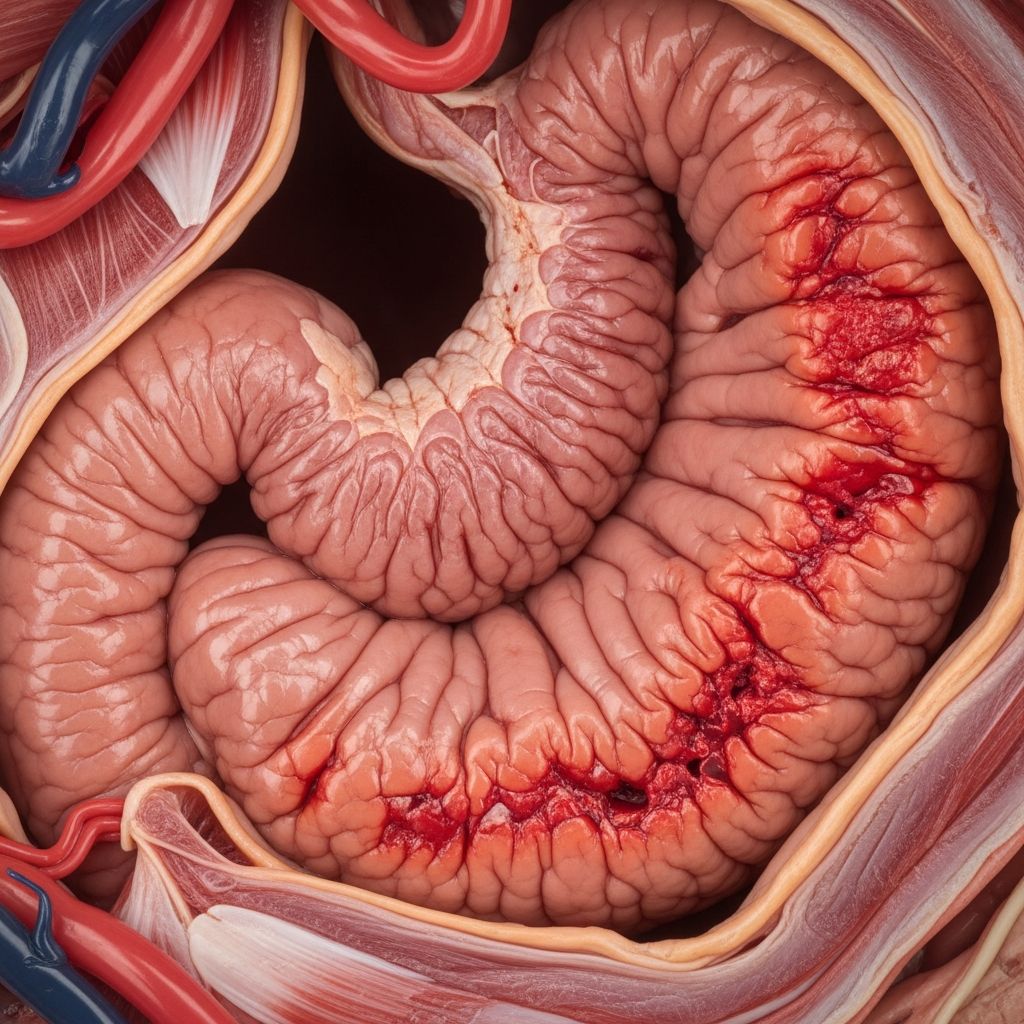
Chronic indigestion syndrome represents a persistent disruption in the digestive processes of ruminants, primarily affecting cattle but also seen in sheep and goats. This condition arises from prolonged disturbances in the forestomachs, leading to inefficient fermentation and nutrient absorption. Unlike acute forms, it develops gradually, often linked to dietary mismanagement, nerve dysfunction, or structural abnormalities, impacting animal productivity and welfare.
Key Physiological Disruptions in Ruminant Digestion
Ruminants rely on a complex forestomach system—the rumen, reticulum, omasum, and abomasum—for microbial breakdown of fibrous feeds. The rumen, the largest compartment, hosts bacteria, protozoa, and fungi that ferment plant material into volatile fatty acids for energy. Normal function requires coordinated contractions: primary cycles mix contents, while secondary cycles facilitate eructation to prevent gas buildup.
In chronic cases, hypomotility or atony disrupts this balance. Ruminal pH shifts occur, with acidosis from excess carbohydrates lowering pH below 6, or alkalosis from stasis raising it above 7. Protozoal populations decline, and bacterial activity slows, as indicated by prolonged methylene blue reduction times exceeding 6 minutes. Chloride levels in rumen fluid above 30 mEq/L signal reflux from abomasal issues.
Primary Causes of Persistent Digestive Dysfunction
Several factors contribute to this syndrome. Dietary indiscretions top the list, where sudden shifts to high-grain or poor-quality roughage overwhelm rumen microbes. Hand-fed dairy cattle gorging on silage or corn experience initial hypomotility, progressing to chronic if uncorrected.
- Excessive carbohydrate intake: Leads to rapid fermentation, lactic acidosis, and rumen stasis.
- Indigestible roughage overload: Common in winter-fed beef cattle, causing physical impaction.
- Vagal nerve interference: Functional or mechanical blocks from adhesions, abscesses, or reticular lesions impair gut innervation.
Mechanical obstructions, like vagal indigestion types I-IV, involve pyloric stenosis or abomasal displacement. Type I features free-gas bloat from reticular adhesions; Type II shows ping on right flank from abomasal torsion; Type III combines both with abomasal ulcers. Infections such as traumatic reticuloperitonitis exacerbate issues via peritoneal inflammation inhibiting motor centers.
Recognizing Clinical Manifestations
Symptoms evolve slowly, distinguishing chronic from simple indigestion. Early signs include reduced feed intake and rumination, progressing to anorexia, weight loss, and rumen distension. Animals appear dull, with firm, doughy rumen contents on palpation. Primary contractions cease, though secondary ones may persist weakly.
| Symptom | Acute Indigestion | Chronic Indigestion |
|---|---|---|
| Appetite | Mild decrease, recovers in 24-48h | Progressive anorexia, chronic |
| Rumen Motility | Hypomotility, reversible | Atony, persistent distension |
| Feces | Soft, foul; reduced volume | Firm, scant; or diarrhea |
| Systemic Signs | Alert, normal vitals | Weight loss, dehydration |
Bloat manifests as left paralumbar fossa tympany, frothy from legume-rich diets or free-gas from eructation failure. Diarrhea arises from osmotic imbalances or small intestinal reflux. Milk yield drops in dairy cows, and recumbency signals advanced stages.
Diagnostic Approaches for Accurate Identification
Diagnosis hinges on history, clinical exam, and rumen fluid analysis. Herd-level outbreaks point to nutritional causes, while single cases suggest vagal issues. Key tests include:
- Rumenocentesis: pH <6 or >7, high chloride, reduced protozoa.
- Auscultation/Percussion: Detects pings for displacements.
- Rectal Exam: Assesses distension, adhesions.
- Ultrasonography: Visualizes abomasal position, fluid accumulations.
Differentiate from ketosis (no ketonuria), grain overload (pH <5.5, lethargy), or colic (grinding teeth, kicking). Chronicity confirmed by failure to resolve in 48 hours.
Management and Therapeutic Interventions
Treatment prioritizes dietary correction: transition to balanced forage-grain ratios, ensuring 40-60% fiber. Oral fluids (20L warm saline) and rumen massage stimulate motility in cattle. Laxatives or mineral oil aid impactions.
For vagal types, surgery may be needed—pyloroplasty for Type IV stenosis. Anti-inflammatories manage pain, antibiotics treat secondary infections. Supportive care includes IV fluids for dehydration. Prognosis varies: good for dietary cases (90% recover), guarded for advanced vagal (50-70%).
Prevention Strategies for Herd Health
Proactive measures minimize risks:
- Gradual diet changes over 7-10 days.
- Adequate bunk space to prevent gorging.
- Regular reticular magnet use against hardware disease.
- High-fiber diets (>30% NDF) to stabilize rumen.
- Monitor for tannin-rich feeds reducing bloat risk.
Vaccinations against clostridial diseases and routine deworming support gut health.
Impact on Livestock Production
Chronic indigestion slashes productivity: 20-50% milk loss in cows, delayed weight gain in beef (0.5-1kg/day deficit). Economic toll includes treatment costs ($200-1000/case) and culling. Early intervention preserves herd performance.
FAQs on Ruminant Chronic Indigestion
What triggers chronic indigestion in cattle?
Mainly dietary errors like sudden grain hikes or vagal nerve dysfunction from adhesions.
How do you differentiate simple vs. chronic indigestion?
Simple resolves in 48 hours with normal vitals; chronic persists with weight loss and atony.
Is surgery always required?
No, most dietary cases respond to management; surgery for mechanical vagal blocks.
Can sheep and goats get this?
Rarely, but similar signs from overfeeding concentrates.
What’s the role of rumen pH in diagnosis?
Abnormal pH (<6 or >7) with high chloride indicates dysfunction.
References
- Simple Indigestion in Ruminants — MSD Veterinary Manual. 2023. https://www.msdvetmanual.com/digestive-system/diseases-of-the-ruminant-forestomach/simple-indigestion-in-ruminants
- Signs And Treatment For Vagal Indigestion In Cattle — Natural Remedy. 2022. https://www.naturalremedy.com/us/signs-and-treatment-for-vagal-indigestion-in-cattle/
- Diseases of the gastrointestinal system — PMC (NCBI). 2020-04-15. https://pmc.ncbi.nlm.nih.gov/articles/PMC7169351/
- Bloat and Vagal Indigestion in Cattle — GVS NZ. 2021. https://www.gvs.nz/site_files/23785/upload_files/Bloat&VagalIndigestioninCattle.pdf?dl=1
- Vagus Indigestion in Dairy and Beef Cattle — Purdue ADDL. 1996. https://www.addl.purdue.edu/newsletters/1996/fall/vagus.shtml
- Colic in Adult Cattle — American College of Veterinary Surgeons. 2024. https://www.acvs.org/large-animal/colic-in-adult-cattle/
Similar Articles








Read full bio of medha deb


