Chronic Egg Laying in Birds: Causes, Health Risks & Treatment
Understanding chronic egg laying in pet birds: causes, symptoms, health complications, and effective management strategies.
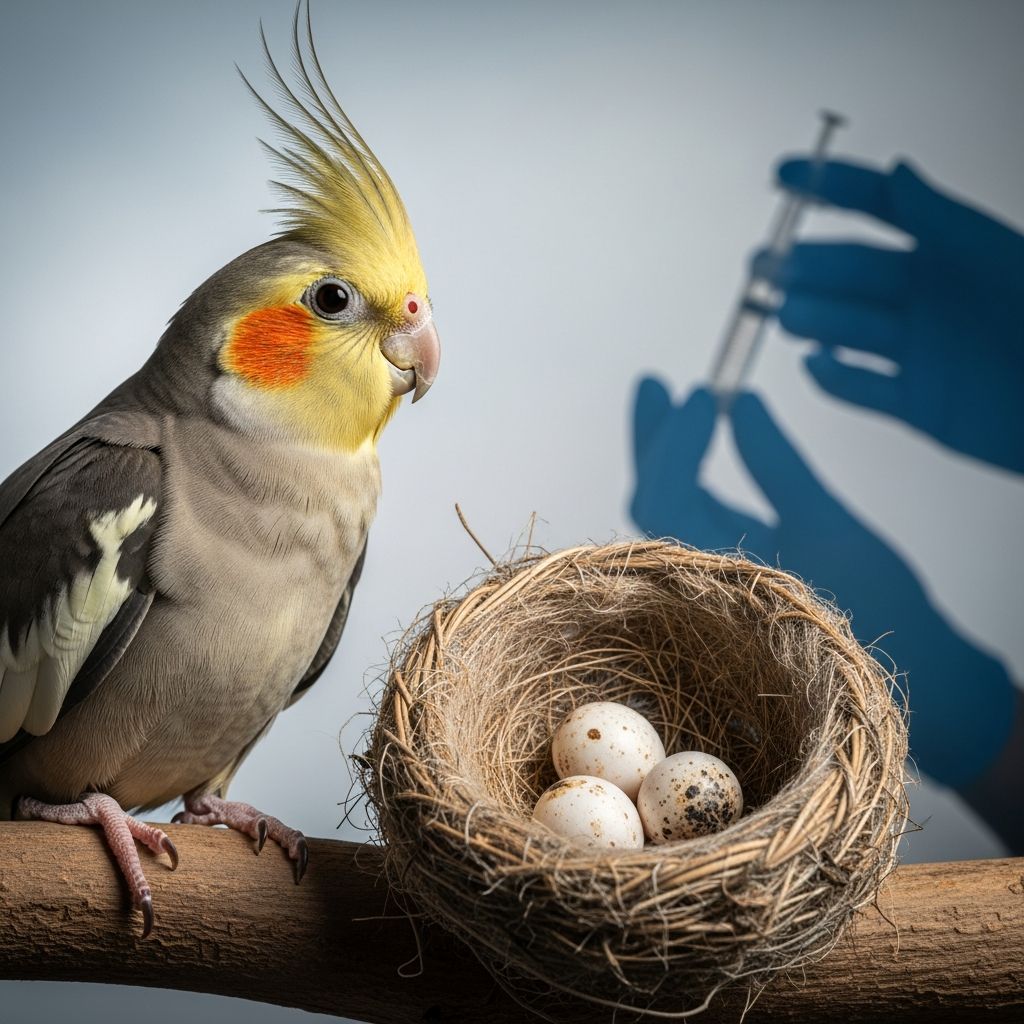
Chronic Egg Laying in Birds: Understanding the Condition
Chronic egg laying is a significant reproductive health issue that affects many pet birds, particularly cockatiels, budgies, lovebirds, and larger parrot species. This condition occurs when birds lay eggs more frequently or in greater quantities than is normal for their species, often without the presence of a mate. Unlike wild birds that typically lay eggs only during breeding season, chronically egg-laying birds may continue producing eggs throughout the year, placing considerable stress on their bodies and depleting vital nutritional reserves.
Understanding chronic egg laying is essential for bird owners, as this condition can lead to serious health complications that may threaten a bird’s life. Pet birds affected by this disorder often experience behavioral changes, nutritional deficiencies, and reproductive tract diseases that require veterinary intervention. This comprehensive guide explores the causes, health implications, symptoms, and management strategies for chronic egg laying in pet birds.
What Causes Chronic Egg Laying?
The exact cause of chronic egg laying is not fully understood, but research indicates that multiple factors can trigger excessive egg production. Most avian veterinarians agree that something stimulates these birds to lay more eggs than normal or more frequently than normal, disrupting their natural reproductive cycle.
Genetic and Physiological Factors
Some individual birds may possess a genetic defect that allows the ovary to be overproductive, causing the reproductive system to function abnormally. Additionally, ovarian cancer may contribute to excessive egg laying, though this is less common. These physiological factors suggest that some birds are inherently predisposed to chronic egg laying due to their biological makeup.
Environmental Stimulation
Environmental stimulation has a dramatic effect on triggering ovarian activity and egg production. Several environmental factors can contribute significantly to hormonal stimulation that leads to chronic egg laying:
– Access to nesting areas in the house or cage- Constantly stroking the bird on its back or pelvis- Having a male bird of the same species in the same room but not in the same cage- Extended exposure to artificial light, which influences reproductive hormone release- Excessive handling by multiple family members
Hormonal Imbalance
A critical factor in chronic egg laying is the lack of hormonal feedback to a bird’s brain that normally signals the bird to stop laying eggs. In birds with this condition, this natural biological stop signal malfunctions, causing continuous egg production. This hormonal disruption means that removing eggs that have already been laid may induce birds to lay even more eggs, depending on the bird’s species, making egg removal a potentially counterproductive intervention.
Health Problems Associated With Chronic Egg Laying
Chronic egg laying creates substantial physiological stress on pet birds and can lead to numerous serious health complications. Understanding these potential problems is crucial for bird owners to recognize warning signs and seek timely veterinary care.
Calcium Depletion and Hypocalcemia
One of the most significant health concerns associated with chronic egg laying is severe calcium depletion. Egg laying uses enormous amounts of a bird’s stored calcium, not only to create eggshells but also to help contract muscles and stimulate nerve conduction needed to push eggs through the reproductive tract. While birds on healthy, calcium-rich diets can usually replace depleted calcium stores from dietary sources, birds eating all-seed or calcium-deficient diets cannot replenish these stores quickly enough.
This leads to hypocalcemia, a condition characterized by an overall lack of body calcium. Hypocalcemia can cause seizure-like activity, brittle bones that fracture easily, muscle weakness, and in severe cases, even death. The neurological symptoms associated with calcium deficiency can be particularly frightening for bird owners, as affected birds may experience tremors and loss of coordination.
Egg Binding
Chronic egg laying often leads to egg binding, also called dystocia, which occurs when a bird cannot pass an egg due to various factors including inappropriate nutrition, excessively large eggs, poor muscle tone, and inflammation of the oviduct. Egg binding is a serious medical emergency that requires immediate veterinary attention.
When egg binding occurs, affected birds typically go off their food, become fluffed up, and may strain intermittently or continuously. Additional signs include sitting on the cage bottom, acting weak and lethargic, straining to defecate, passing bloody droppings, having difficulty breathing (manifested as tail bobbing), and having a visibly swollen abdomen. In severe cases, an egg that does not descend properly can cause pressure on the pelvic nerves, resulting in rear limb weakness, paralysis, or even shock.
Reproductive Tract Disease
After months or years of chronic egg laying, the oviduct may become diseased and produce abnormal or soft eggs. Additionally, eggshell material may accumulate within the oviduct, which can eventually lead to a complete blockage of the entire reproductive tract. When this occurs, birds may require salpingohysterectomy, a surgical procedure to remove the reproductive tract, to prevent death.
Chronic egg laying may also lead to infection or inflammation of the oviduct, creating conditions that often result in egg binding and further reproductive complications. These infections can be particularly difficult to treat and may require extended antibiotic therapy.
Behavioral and Physical Symptoms of Chronic Egg Laying
Birds experiencing chronic egg laying often display distinct behavioral and physical changes that alert observant owners to the problem. Recognizing these symptoms is essential for early intervention.
Behavioral Changes
Birds that lay eggs chronically are often less friendly and become more aggressive, particularly when under the powerful influence of reproductive hormones. These behavioral shifts may include:
– Increased aggression and territorial behavior- Becoming protective of their clutch and cage area- Favoring one family member while acting aggressively toward all others- Increased vocalization- Reduced social interaction and increased irritability
Physical and Activity Changes
The most common accompanying physical signs of chronic egg laying include:
– Lethargy or reduced activity level around the cage- Weakness and reduced movement- Loss of appetite or reduced food intake- Fluffed up feathers, indicating illness or stress- Straining during egg laying- In severe cases, signs of distress or collapse
Diagnosis and Veterinary Examination
If you suspect your bird has chronic egg laying, veterinary examination is essential for proper diagnosis and treatment planning. Your avian veterinarian will conduct a thorough evaluation, looking for specific clinical indicators and underlying conditions.
During the examination, your veterinarian will assess bacterial and yeast infections related to the reproductive system, evaluate signs of poor nutrition and stress, and identify clinical signs of calcium deficiency. Blood work may be performed to measure calcium levels and assess overall nutritional status. Radiography may be used to visualize eggs in the reproductive tract and rule out other conditions.
Treatment and Management Strategies
Managing chronic egg laying requires a multi-faceted approach that addresses the underlying causes and prevents complications. Treatment strategies should be customized based on the individual bird’s condition and response to intervention.
Environmental Modification
One of the most effective management strategies is reducing light exposure. Decreasing the amount of light your bird receives during the day to a maximum of 10 hours daily helps prevent hormone release that leads to egg production. This mimics shorter winter day lengths when birds naturally reduce reproductive activity.
Additionally, eliminate nesting areas and avoid providing nesting materials. Minimize handling, particularly stroking the bird on its back or pelvis, which can stimulate reproductive behavior. If you have multiple birds, separate males and females of the same species to eliminate visual stimuli that trigger breeding responses.
Nutritional Management
Ensuring your bird receives a calcium-rich diet is fundamental to managing chronic egg laying. Replace all-seed diets with formulated pellets supplemented with fresh vegetables, fruits, and calcium sources. Consult your veterinarian about appropriate calcium supplementation, particularly for birds showing signs of hypocalcemia.
Medical Treatment
Your veterinarian may recommend hormonal treatments to suppress egg laying. In cases where medical management fails or complications develop, surgical intervention such as salpingohysterectomy may be necessary to prevent life-threatening conditions.
Frequently Asked Questions
Q: Which bird species are most commonly affected by chronic egg laying?
A: Cockatiels, budgies, and lovebirds are the most commonly affected species, though larger parrots may also experience chronic egg laying.
Q: Can removing eggs prevent chronic egg laying?
A: Removing eggs may actually induce birds to lay even more eggs, depending on the species. This counterintuitive response occurs due to hormonal feedback mechanisms, making egg removal potentially counterproductive in managing this condition.
Q: What is egg binding and how is it related to chronic egg laying?
A: Egg binding occurs when a bird cannot pass an egg due to factors like poor nutrition, calcium deficiency, or oviduct inflammation. Chronic egg laying increases the risk of egg binding by depleting calcium stores and causing reproductive tract disease over time.
Q: How much light should chronically egg-laying birds receive daily?
A: Birds should receive a maximum of 10 hours of light per day to help prevent hormone release that stimulates egg production.
Q: Is chronic egg laying life-threatening?
A: Yes, chronic egg laying can be life-threatening if complications such as severe hypocalcemia, egg binding, or complete oviduct blockage develop. Prompt veterinary care is essential when symptoms appear.
Q: What diet changes help manage chronic egg laying?
A: Replace all-seed diets with calcium-rich formulated pellets, fresh vegetables, and appropriate calcium supplementation as recommended by your veterinarian.
Prevention Strategies
While some birds may be genetically predisposed to chronic egg laying, several preventive measures can reduce the likelihood of the condition developing or reduce its severity. Providing appropriate environmental conditions, including limited light exposure and absence of nesting sites, maintaining excellent nutrition with adequate calcium, minimizing back and pelvic stroking, and preventing contact between birds of the same species in different cages all contribute to prevention. Regular veterinary check-ups allow early detection of reproductive issues before they become severe.
Conclusion
Chronic egg laying represents a significant challenge in avian pet ownership, requiring understanding, vigilance, and professional veterinary care. By recognizing the causes and symptoms of this condition, implementing environmental modifications, ensuring proper nutrition, and seeking timely veterinary intervention, bird owners can help their feathered companions avoid serious health complications. If you notice signs of chronic egg laying in your bird, consult with an avian veterinarian immediately to develop an appropriate management plan tailored to your bird’s specific needs.
References
- Chronic Egg Laying in Birds — VCA Animal Hospitals. 2024. https://vcahospitals.com/know-your-pet/chronic-egg-laying-in-birds
- Reproductive Disorders of Pet Birds — Merck Veterinary Manual. 2024. https://www.merckvetmanual.com/bird-owners/disorders-and-diseases-of-birds/reproductive-disorders-of-pet-birds
- Chronic Egg Laying and Reproduction Control — Chicago Exotics Animal Medical Center. 2024. http://www.exoticpetvet.com/chronic-egg-laying.html
- Chronic Egg-Laying in Birds — The Unusual Pet Vets. 2024. https://www.unusualpetvets.com.au/chronic-egg-laying-birds/
- Unwanted Egg Laying in Pet Birds — Animal House of Chicago. 2024. https://animalhouseofchicago.com/news/birds-unwanted-eggs
Similar Articles








Read full bio of Sneha Tete