

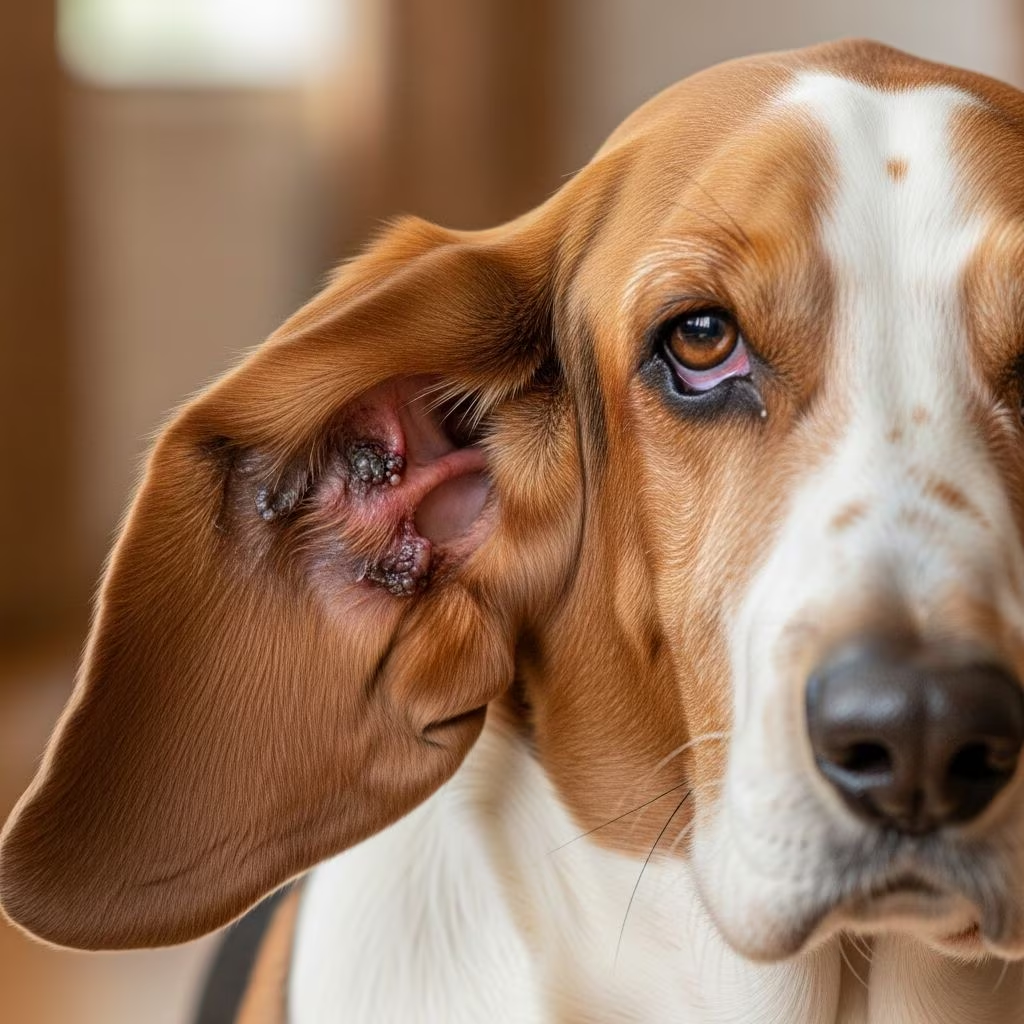
Chronic ear infections, medically termed chronic otitis, represent a persistent challenge for many dog owners, leading to discomfort, pain, and potential long-term complications if not addressed properly. These conditions often stem from underlying issues like allergies rather than simple moisture or ear shape, affecting dogs of all breeds and lifestyles.
Understanding the Anatomy of a Dog’s Ear
A dog’s ear consists of three main parts: the outer ear (pinna and canal), middle ear, and inner ear. The outer ear canal is L-shaped, which can trap debris, wax, and moisture, creating an ideal environment for microbial growth. In chronic cases, inflammation causes the canal walls to thicken, narrowing the passage and hindering natural cleaning processes.
This anatomical feature explains why infections can escalate from superficial irritation to deep-seated problems, impacting balance and hearing when they reach the inner ear.
Primary Causes Behind Recurring Ear Infections
While acute infections might arise from water exposure or foreign objects, chronic otitis typically originates from primary factors that perpetuate inflammation. Allergies top the list, with environmental allergens like pollen or food sensitivities triggering skin reactions in the ear canal.
- Allergies: Both atopic dermatitis from environmental triggers and food intolerances cause relentless itching, leading to scratching and secondary infections.
- Ear Conformation: Though not the sole cause, floppy ears in breeds like Cocker Spaniels retain moisture longer, exacerbating issues.
- Proliferation of Microbes: Yeast (Malassezia) and bacteria overgrow in inflamed canals, fueled by sebum and debris buildup.
- Other Contributors: Hormonal imbalances, autoimmune diseases, or tumors can predispose dogs to chronic inflammation.
Unlike one-off incidents, chronic cases involve a cycle where initial irritation fosters microbial overgrowth, scratching causes trauma, and scar tissue forms, blocking treatment efficacy.
Recognizing Early and Advanced Symptoms
Spotting symptoms early can prevent progression. Common initial signs include vigorous head shaking, excessive ear scratching, and noticeable odor from discharge.
| Stage | Symptoms | Potential Complications |
|---|---|---|
| Early/Mild | Head shaking, mild scratching, slight redness, subtle odor | Self-resolving if addressed quickly |
| Moderate | Thick discharge (yellow/brown), ear warmth, swelling, pain on touch | Ear hematomas from trauma |
| Chronic/Severe | Head tilt, balance loss, hearing impairment, aggression, canal narrowing | Permanent scarring, inner ear damage |
Advanced symptoms signal middle or inner ear involvement: head tilting toward the affected side, nystagmus (rapid eye movements), ataxia (wobbliness), and facial nerve issues like drooping eyelids. Dogs may also show behavioral changes, such as lethargy or irritability, indicating unrelenting pain.
The Diagnostic Process for Accurate Identification
Veterinarians employ a multi-step approach to diagnose chronic otitis. A thorough physical exam checks for canal narrowing, discharge consistency, and pain response. Cytology—microscopic examination of ear swab samples—identifies yeast, bacteria, or inflammatory cells.
Additional tools include:
- Otoscopy: Magnified view of the canal, often under sedation for deep inspection.
- Culture and Sensitivity Testing: For resistant infections, pinpointing specific pathogens and effective antibiotics.
- Imaging: X-rays or CT scans for middle/inner ear involvement or polyps.
- Allergy Testing: Intradermal or blood tests to uncover underlying hypersensitivities.
Pinpointing the root cause, like allergies, is crucial for preventing relapses.
Treatment Strategies: From Meds to Surgery
Treatment targets inflammation, infection, and predisposing factors. Topical therapies—cleaners, antibiotics, antifungals, and steroids—are first-line, applied meticulously to reach deep canals.
Step-by-Step Treatment Protocol:
- Clean the ear with vet-approved solutions to remove debris.
- Administer prescribed drops or ointments for 7-14 days or longer.
- Address pain with oral anti-inflammatories.
- Manage allergies via hypoallergenic diets, antihistamines, or immunotherapy.
For steroid-resistant cases, systemic antibiotics or antifungal drugs may be needed. Surgical options like total ear canal ablation (TECA) remove diseased tissue in severe, unresponsive chronic otitis, preserving hearing if inner ear is spared.
Preventive Measures for Long-Term Ear Wellness
Prevention hinges on routine maintenance and early intervention. Dry ears after swimming, trim hair in hairy-eared breeds, and perform weekly inspections for debris or odor.
- Feed hypoallergenic or novel protein diets if food allergies are suspected.
- Use vet-recommended ear cleaners weekly for at-risk dogs.
- Monitor for allergy seasons and use preventive meds.
- Avoid home remedies like vinegar, which can irritate further.
Consistent vet check-ups catch issues before they chronicize.
When to Seek Immediate Veterinary Care
Rush to the vet if you observe head tilt, loss of coordination, persistent discharge, or pain-induced aggression. Delays risk permanent damage like deafness or vestibular syndrome.
FAQs on Canine Chronic Ear Infections
Can all dogs get chronic ear infections?
Yes, any dog can develop them, but breeds with floppy ears or allergy predispositions like Labs or Bulldogs are higher risk.
How long does treatment take?
Acute cases resolve in weeks, but chronic ones may require months of management.
Will my dog go deaf from this?
Inner ear involvement can cause hearing loss, but early treatment minimizes risks.
Are over-the-counter cleaners safe?
Only use vet-approved products; others can worsen infections.
Is surgery always necessary?
No, most cases respond to medical therapy, but severe scarring may require TECA.
Holistic and Supportive Care Approaches
Complement conventional treatments with omega-3 supplements for anti-inflammatory benefits, probiotics for gut-ear axis health, and stress reduction, as anxiety exacerbates allergies. Always consult vets before adding supplements.
References
- Chronic Otitis in Dogs: Causes & Prevention — Harbor Animal Hospital. 2024-08-15. https://www.harboranimalhospital.com/site/blog/2024/08/15/chronic-otitis-dogs
- Ear Infections in Dogs: How to Prevent and Treat Recurring Issues — Liberty Vet. N/A. https://libertyvet.net/ear-infections-in-dogs-how-to-prevent-and-treat-recurring-issues/
- Chronic Otitis in Dogs — Animal Friends Dermatology. 2023-04-30. https://www.animalfriendsdermatology.com/site/blog/2023/04/30/chronic-otitis-dogs
- Chronic Otitis in Dogs: Causes & Prevention — Case Hospital. 2024-04-15. https://www.casehospital.com/site/blog/2024/04/15/chronic-otitis-dogs
- Frequently Asked Questions About Chronic Ear Infections in Dogs — Willowwood Animal Hospital. N/A. https://willowwoodah.com/frequently-asked-questions-about-chronic-ear-infections-in-dogs/
- Causes, Signs, and Symptoms of Ear Infections in Dogs — Virbac US. N/A. https://us.virbac.com/home/dog/ear-health/dog-ear-infections-1/causes-signs-and-symptoms-of-ear.html



