

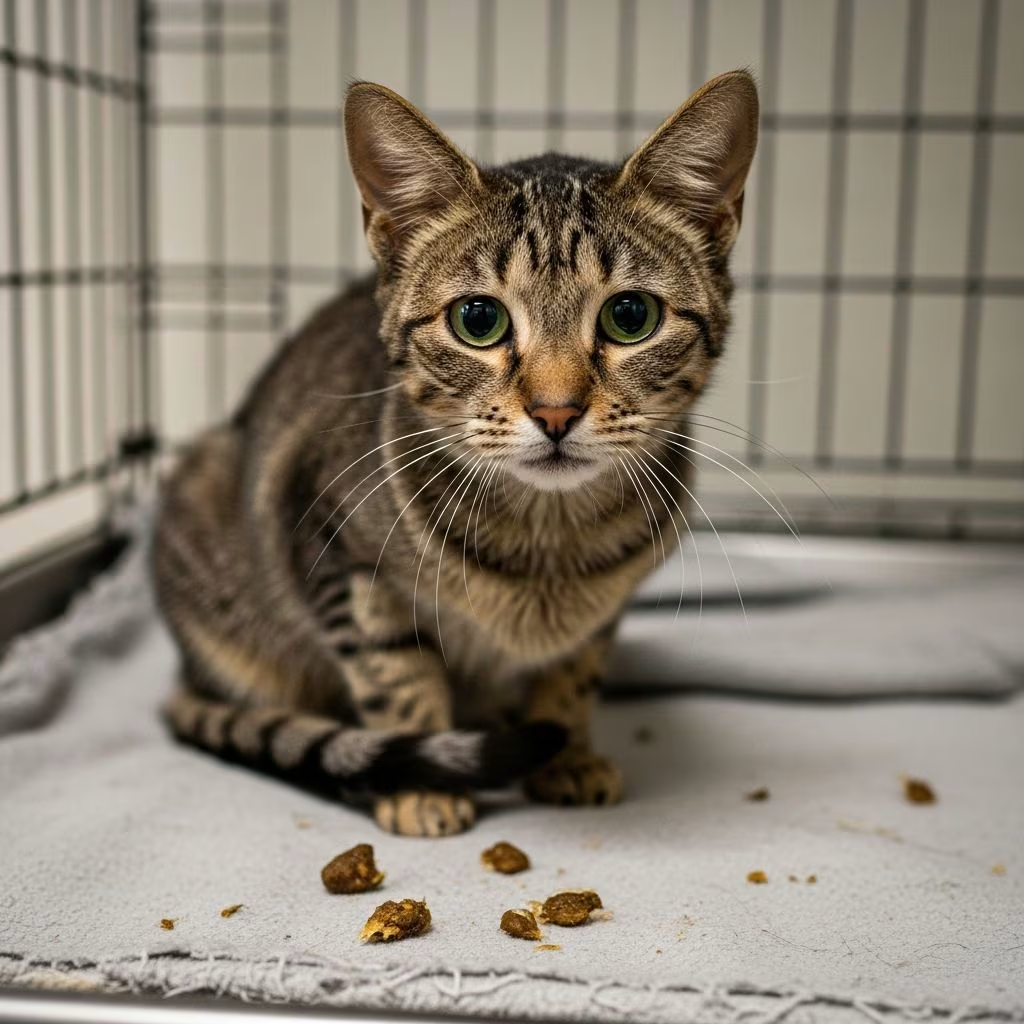
Rescue cats frequently arrive in shelters with persistent digestive troubles, where loose or watery stools last beyond a few days. This condition, known as chronic diarrhea, affects their quality of life and complicates rehoming efforts. Understanding its origins—ranging from environmental stress to hidden infections—allows caregivers and veterinarians to intervene effectively, stabilizing these cats for brighter futures.
Recognizing Persistent Digestive Issues in Rescued Felines
Unlike short-term bouts triggered by diet shifts or minor upsets, chronic diarrhea persists for weeks, often signaling deeper problems. Shelter environments amplify risks due to crowding, novel foods, and weakened immunity from prior hardships. Key signs include repeated loose stools, straining, mucus or blood traces, and accompanying lethargy or appetite loss. Young kittens may fail to gain weight, while seniors show systemic symptoms like dehydration.
Observing stool details matters: frequency, volume, color (e.g., dark tarry indicating blood), and links to vomiting or abdominal pain guide initial assessments. In busy rescues, tracking these via daily logs helps prioritize cases needing urgent vet attention.
Environmental Factors Fueling Gut Problems in Shelters
Shelters pose unique challenges that exacerbate diarrhea. Stress from relocation, noise, and separation suppresses immunity, reactivating latent infections or disrupting gut flora. Early weaning in kittens heightens vulnerability, as immature systems struggle without maternal antibodies.
- Stress-induced changes: Cortisol spikes alter motility and microbiome balance, mimicking infection symptoms.
- Diet inconsistencies: Sudden food switches or overfeeding cause osmotic imbalances.
- Hygiene lapses: Shared spaces spread pathogens rapidly.
One shelter’s experience with a kitten named Marigold illustrates this: repeated foster moves worsened her symptoms until targeted microbiome support resolved them. Minimizing stressors through quiet isolation and consistent routines proves vital.
Common Pathogens Behind Ongoing Loose Stools
Infections top the list for shelter cats, especially youngsters. Protozoa like Giardia, Tritrichomonas, and Cryptosporidium cling to intestines, resisting standard dewormers. Bacteria such as Salmonella or Campylobacter thrive in group settings, sometimes zoonotic, demanding strict hygiene.
Viral culprits like feline immunodeficiency virus indirectly contribute by impairing defenses. Diagnosis starts with fecal flotation, PCR panels for precision, as microscopy misses tricky parasites. Treatment involves targeted antimicrobials, but resistance calls for vet-guided combos, avoiding broad-spectrum overuse to preserve gut health.
When Inflammation Takes Hold: IBD and Beyond
Inflammatory bowel disease (IBD) plagues many rescues, particularly Siamese breeds, causing immune overreactions to food or bacteria. Symptoms mimic infections: weight loss, flatulence, urgency. Hyperthyroidism or exocrine pancreatic insufficiency in older cats (>6 years) add layers, with palpation revealing enlarged organs.
Food allergies trigger similar flares; novel proteins like rabbit help trial diets. Unlike acute cases, chronic ones need biopsies for confirmation, though rescues often rely on response to trials.
Diagnostic Roadmap for Shelter Vets
A step-by-step approach conserves resources while pinpointing issues. Begin with history: age, diet history, symptoms like tenesmus or borborygmi. Physical exams check hydration, abdomen, thyroid.
| Step | Tests | Purpose |
|---|---|---|
| 1. Basics | Fecal analysis, bloodwork | Rule out parasites, anemia, electrolytes |
| 2. Imaging | Ultrasound, X-rays | Detect masses, thickening |
| 3. Advanced | PCR, endoscopy/biopsy | Confirm IBD, infections |
Blood panels flag poor prognostic signs like hypokalemia or azotemia, guiding humane decisions. For pancreatitis suspects, supportive care suffices without invasive histopathology in rescues.
Treatment Strategies Tailored to Rescue Realities
Stabilization prioritizes welfare and cost. Hydration via fluids tops lists, followed by parasite clears. Probiotics restore flora; B12 shots aid absorption. Diet trials—low-fat/high-fiber or hydrolyzed—resolve many.
Marigold’s turnaround via fecal microbiota transplant (FMT) capsules highlights microbiome fixes: beneficial bacteria normalized stools in days, averting steroids. Immunosuppressants manage IBD, but monitor closely.
- Supportive meds: Antidiarrheals sparingly; motility modifiers if needed.
- Pancreatic support: Enzyme supplements for insufficiency.
Nutrition’s Role in Healing Rescue Cats
Diet drives recovery. Avoid grains/starch post-flare; opt for thyroid-specific formulas if endocrine issues lurk. High-fiber bulks stools; novel proteins dodge allergies. Transition slowly over 7-10 days.
Shelters succeed by fostering out mild cases—home environments cure stress-related diarrhea swiftly. Consistent feeding schedules prevent overeating binges.
Preventive Measures for Thriving Shelter Populations
Proactive steps curb outbreaks. Barrier nursing isolates cases; fecal protocols screen intakes. Delay weaning to 8 weeks; vaccinate/deworm routinely. Stress reduction via enrichments like hides boosts resilience.
Long-term, adopted cats with resolved diarrhea rarely relapse if diets stay stable, though IBD demands monitoring.
Real-Life Recoveries: From Shelter to Stability
Marigold’s saga—from euthanasia list to vibrant pet—shows persistence pays. Community vets, rescuers, and microbiome therapy teamed up. Similar tales abound: foster cures via reduced stress prove adoption accelerates healing.
Frequently Asked Questions
What defines chronic diarrhea in cats?
It lasts 3+ weeks, with soft-to-watery stools, possibly blood/mucus, and systemic signs.
Can shelter stress alone cause it?
Yes, via immunosuppression and flora disruption, often resolving post-adoption.
Are probiotics effective?
Often, restoring balance; FMT excels for stubborn cases.
When to consider euthanasia?
If severe dehydration, electrolyte crises persist despite treatment.
How to prevent in shelters?
Hygiene, consistent diets, stress minimization, early screening.
References
- Chronic Diarrhoea Guidelines for Vets — Cats Protection. 2019. https://www.cats.org.uk/media/11997/chronic-diarrhoea-guidelines-for-vets.pdf
- Shelter Cat Struggles with Chronic Diarrhea: Marigold’s Story — AnimalBiome. 2023. https://www.animalbiome.com/blogs/cat/shelter-cat-struggles-with-chronic-diarrhea-marigold-s-story
- Chronic Diarrhea in Cats — PetMD. 2024. https://www.petmd.com/cat/conditions/digestive/chronic-diarrhea-cats
- Don’t Run from Diarrhea — Maddie’s Fund. 2022. https://www.maddiesfund.org/dont-run-from-diarrhea.htm
- How to Manage Feline Chronic Diarrhea, Part I: Diagnosis — dvm360. 2023. https://www.dvm360.com/view/how-manage-feline-chronic-diarrhea-part-i-diagnosis



