

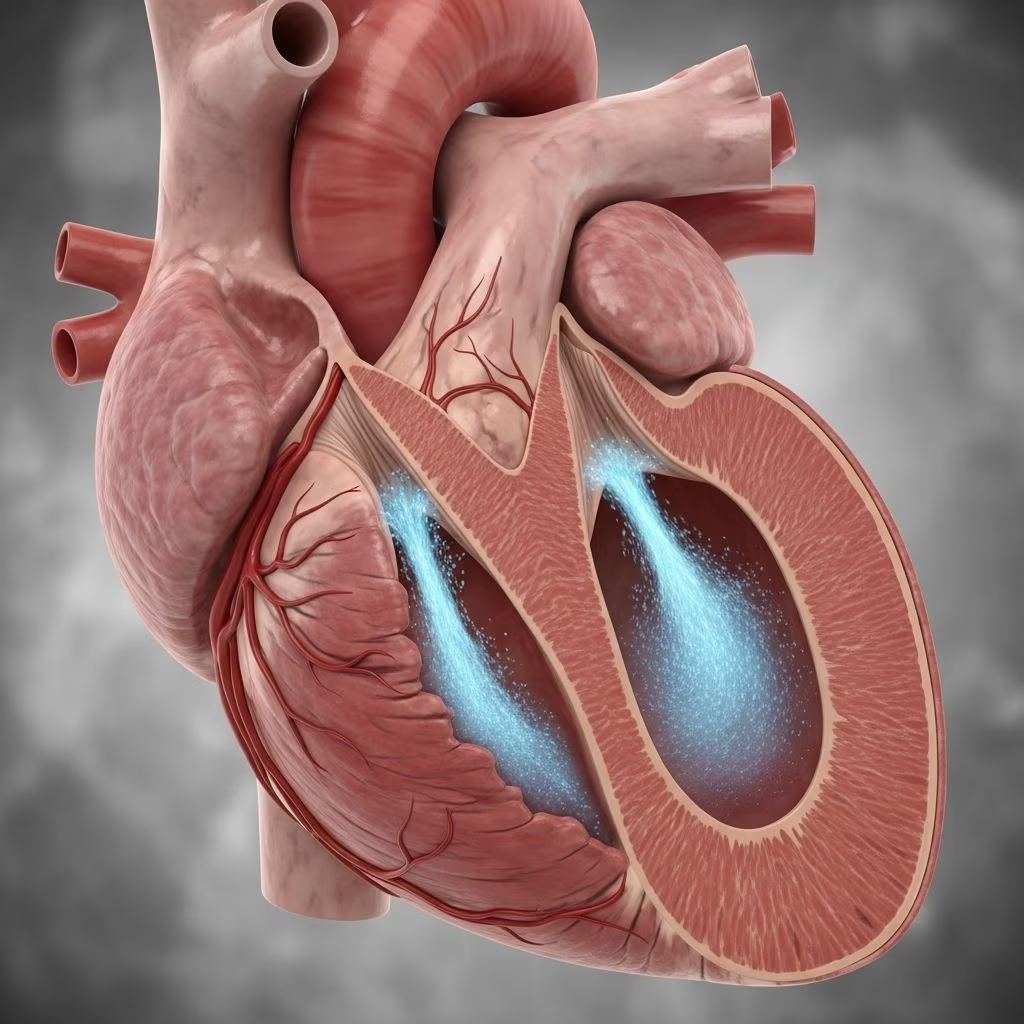
Understanding Chronic Degenerative Valve Disease in Dogs
Chronic degenerative valve disease (CVD) is the most common form of heart disease affecting dogs, particularly as they age. This progressive condition primarily involves the degeneration of the mitral valve, which controls blood flow between the heart’s left atrium and left ventricle. When the valve becomes damaged or fails to close properly, blood leaks backward, forcing the heart to work harder and potentially leading to congestive heart failure if left untreated.
The condition develops gradually over time, and many dogs in the early stages show no clinical signs whatsoever. However, as the disease progresses, symptoms become increasingly apparent. Understanding this condition is crucial for dog owners, as early detection and appropriate management can significantly extend a dog’s life and maintain quality of life.
What Causes Chronic Degenerative Valve Disease?
Chronic degenerative valve disease occurs when the valve leaflets become thickened and fail to seal properly. The exact cause isn’t fully understood, but the condition is associated with age, genetics, and certain breeds. Small dog breeds such as Cavalier King Charles Spaniels, Chihuahuas, and Poodles are particularly predisposed to developing this condition. The disease involves progressive degeneration of the valve tissue, leading to regurgitation—backward flow of blood—which strains the heart over time.
Recognizing Symptoms of CVD
Symptoms of chronic degenerative valve disease vary depending on the disease stage and severity. Many young dogs exhibit very few or no symptoms, making the condition difficult to detect without veterinary screening. However, pet owners should watch for the following clinical signs:
Early and Progressive Symptoms
– Persistent coughing, especially during rest or nighttime- Exercise intolerance or reluctance to engage in normal activities- Rapid and shallow breathing when resting or sleeping (more than 30-35 breaths per minute)- Increased respiratory effort using abdominal muscles- Restlessness or agitation during sleep- Changes in sleeping position (preference for sitting or “sphinx” position)- Weakness or lethargy- Reduced ability to exercise or play- Collapse or fainting episodes
Advanced Symptoms
– Decreased appetite- Weight loss- Distended belly- Depressed attitude and reduced interaction with family members- Bluish or pale gums indicating poor oxygen circulation- Gagging episodes
If you notice any of these symptoms in your dog, particularly coughing or exercise intolerance, contact your veterinarian for evaluation.
Diagnosing Chronic Degenerative Valve Disease
Diagnosis involves several diagnostic tools that help veterinarians assess the disease stage and severity. A thorough physical examination, including listening to the heart for abnormal sounds or murmurs, is typically the first step. Your veterinarian may recommend additional diagnostic tests to confirm the diagnosis and determine the appropriate treatment plan.
Diagnostic Tests and Procedures
Echocardiography (Ultrasound): This is the gold standard for diagnosing CVD. Echocardiography allows veterinarians to visualize the heart structure, assess valve function, and measure the degree of heart enlargement. This test is crucial for determining the disease stage according to the American College of Veterinary Internal Medicine (ACVIM) classification system.
Chest X-rays: X-rays help detect heart enlargement and pulmonary edema (fluid in the lungs), which are indicators of advanced disease or heart failure.
Electrocardiogram (ECG): This test records the heart’s electrical activity and can identify abnormal rhythms associated with CVD.
Blood Pressure Measurement: Monitoring blood pressure helps assess cardiovascular function and guides medication decisions.
Complete Blood Work: Blood tests evaluate organ function, particularly kidney function, which is important before starting certain medications.
Disease Staging and Progression
The ACVIM has established a classification system that helps standardize diagnosis and treatment recommendations. Understanding your dog’s disease stage is essential for determining appropriate management strategies.
Disease Stages Overview
Stage B1 (Asymptomatic with no cardiac enlargement): Dogs in this stage show no clinical signs, and imaging reveals no heart enlargement. Medication is typically not required at this stage, though regular monitoring is recommended.
Stage B2 (Asymptomatic with cardiac enlargement): Dogs remain asymptomatic but show evidence of left atrial or ventricular enlargement. Treatment with pimobendan is now recommended in this stage based on updated ACVIM guidelines to slow disease progression.
Stage C (Symptomatic heart failure): Dogs display clinical signs of heart failure such as coughing, exercise intolerance, and breathing difficulties. Medications are necessary to manage symptoms and maintain quality of life.
Stage D (End-stage heart failure): This advanced stage involves refractory heart failure that becomes increasingly difficult to manage with medications.
Treatment Options for CVD
Currently, there is no cure for chronic degenerative valve disease. However, various treatment approaches can effectively manage symptoms, slow disease progression, and maintain quality of life for affected dogs. Treatment decisions depend on the disease stage, presence of symptoms, and individual dog factors.
Asymptomatic Stage Treatment
In early asymptomatic stages (Stage B1), medication is generally not required. However, regular veterinary monitoring through periodic echocardiography is important to track disease progression. Once significant heart enlargement is detected (Stage B2), veterinarians typically recommend starting pimobendan to delay the development of clinical signs and progression to heart failure.
Symptomatic Stage Treatment
Dogs diagnosed with symptomatic CVD (Stage C or heart failure) require ongoing medication management. These medications are typically continued for life, though doses and specific medications may be adjusted as the disease progresses. The type and dosage of medications must be carefully calculated for each individual case, as needs vary significantly between dogs.
Medications for Managing CVD
Several classes of medications are commonly used to treat chronic degenerative valve disease. Your veterinarian will recommend specific medications based on your dog’s individual needs and disease stage.
Common Medications and Their Functions
| Medication Class | Examples | Primary Function ||—|—|—|| Diuretics | Furosemide (Lasix®) | Remove excess fluid from circulation to reduce congestion || Positive Inotropes | Pimobendan (Vetmedin®) | Improve heart muscle contractility and blood vessel function || Vasodilators | Benazepril, Enalapril | Relax blood vessels to reduce workload on the heart || Aldosterone Antagonists | Spironolactone | Prevent fluid retention and heart muscle scarring || Anticoagulants | Medications as prescribed | Reduce clot formation risk in some cases |
Furosemide (Lasix®): This diuretic helps reduce fluid buildup in the lungs and body tissues by increasing urination. Dogs on furosemide must have constant access to fresh water and outdoor potty breaks every one to two hours.
Pimobendan (Vetmedin®): This medication improves heart function by increasing the force of heart contractions and dilating blood vessels. It’s one of the most important medications in CVD treatment protocols.
Angiotensin-Converting Enzyme Inhibitors (ACEIs): Medications like benazepril and enalapril relax blood vessels, making it easier for the heart to pump blood throughout the body. These also help protect against heart muscle remodeling.
Spironolactone: This aldosterone antagonist prevents fluid retention and reduces fibrosis (scarring) of the heart muscle, offering long-term protective benefits.
Managing Medication Side Effects and Home Care
Dogs receiving CVD medications require careful monitoring and home management to ensure optimal health and prevent complications. Understanding potential medication side effects helps you provide better care for your pet.
Expected Changes and Management
Increased Water Consumption and Urination: Dogs on diuretics like furosemide will drink larger amounts of water and urinate more frequently. Provide unlimited water access and ensure your dog has frequent bathroom breaks. Use pee pads or doggy doors if you work long hours to prevent house-training accidents.
Appetite Changes: Some dogs experience reduced appetite or eat smaller portions. If your dog eats significantly less, contact your veterinarian, as maintaining proper nutrition and preventing weight loss is important for overall health.
Exercise Restrictions: While extreme exercise restrictions aren’t typically necessary, avoid strenuous activities and long periods of excitement. Gentle daily walks suited to your dog’s current ability level are beneficial.
Dietary Considerations: Avoid high-sodium foods including processed treats like bacon, sausage, and pig ears. Consider senior or kidney diet formulas, which are naturally lower in sodium. Always consult your veterinarian before making dietary changes.
Monitoring Your Dog at Home
Learning to monitor your dog’s breathing rate at home is valuable for tracking disease progression. A normal resting respiratory rate is 10-30 breaths per minute. Count your dog’s breaths while resting by observing chest rises for one minute. Rates consistently above 35 breaths per minute may indicate progression and warrant veterinary evaluation.
Surgical Treatment Options
While surgical valve repair or replacement is common in human cardiology, open-heart surgery with cardiopulmonary bypass is extremely challenging in dogs, particularly small breeds. The complexity of the procedure, combined with high surgical risks and the difficulty of providing appropriate follow-up care, makes valve surgery rarely available or recommended for canine patients. Therefore, medical management remains the primary treatment approach for dogs with CVD.
Long-Term Prognosis and Quality of Life
The prognosis for dogs with chronic degenerative valve disease depends on the disease stage at diagnosis and how well the condition responds to treatment. Dogs diagnosed in early asymptomatic stages often maintain excellent quality of life for several years or more with appropriate monitoring and preventive treatment.
Once symptomatic heart failure develops, medications can typically eliminate or significantly reduce clinical signs. However, the disease continues progressing, and eventually medications may become less effective. Your veterinarian may adjust doses or add additional medications to maintain quality of life as long as possible. The goal of treatment transitions from prolonging life to maintaining comfort and quality when the dog enters end-stage disease.
Many dogs with advanced mitral insufficiency can be maintained for months to years with appropriate therapy. Regular veterinary check-ups, consistent medication administration, home monitoring, and quick reporting of symptom changes are essential for maximizing survival time and quality of life.
Preventive Measures and Risk Reduction
While CVD cannot be prevented, certain measures may slow disease progression or reduce severity. Maintaining a healthy weight prevents additional strain on the heart. Regular veterinary screening is crucial, especially for predisposed breeds and senior dogs. Discuss age-appropriate cardiac screening with your veterinarian, as early detection when dogs are asymptomatic allows for earlier intervention with newer treatment protocols.
Frequently Asked Questions
Q: At what age do dogs typically develop chronic degenerative valve disease?
A: CVD typically affects older dogs, with most cases occurring in dogs over seven years of age. However, small breeds may develop the condition earlier than larger breeds.
Q: Can my dog live a long life with CVD if diagnosed early?
A: Yes, many dogs diagnosed in early asymptomatic stages live normal lifespans with appropriate monitoring and preventive treatment. Early detection allows for optimal disease management.
Q: Will my dog need medication forever?
A: Asymptomatic dogs (Stage B1) may not require medication initially. However, dogs diagnosed with symptomatic heart failure (Stage C) will typically need lifelong medication management, though specific medications and doses may change over time.
Q: How often should my dog be monitored by a veterinarian?
A: Asymptomatic dogs should have regular check-ups and periodic echocardiography as recommended by your veterinarian. Symptomatic dogs typically require more frequent monitoring, especially when adjusting medications.
Q: Is there a special diet for dogs with CVD?
A: While extreme dietary restrictions aren’t necessary, avoiding high-sodium foods and treats is recommended. Senior or kidney-friendly diets are often appropriate options for dogs with CVD.
Q: Can medications cure chronic degenerative valve disease?
A: No, there is currently no cure for CVD. Medications manage symptoms, slow disease progression, and maintain quality of life, but do not reverse the underlying valve damage.
References
- Asymptomatic Canine Degenerative Valve Disease: Diagnosis and Management — National Center for Biotechnology Information (NCBI/PubMed). 2022-04-28. https://pubmed.ncbi.nlm.nih.gov/35465907/
- Chronic Degenerative Valve Disease (CVD) — Texas A&M School of Veterinary Medicine & Biomedical Sciences, College of Veterinary Medicine & Biomedical Sciences. 2018. https://vethospital.tamu.edu/hospital/wp-content/uploads/sites/15/2018/01/cardiology-CVDHalfBooklet.pdf
- Degenerative Valve Disease: Classification, Diagnosis, and Treatment of Mitral Regurgitation — Today’s Veterinary Practice. 2024. https://todaysveterinarypractice.com/cardiology/degenerative-valve-disease-classification-diagnosis-and-treatment-of-mitral-regurgitation/
- Degenerative Mitral Valve Disease in Dogs: Symptoms & Treatment — Atlantic Coast Veterinary Conference. 2024-01-15. https://www.atlanticcoastvet.com/site/blog-long-island-vet/2024/01/15/degenerative-mitral-valve-disease-dogs
- Degenerative Valve Disease in Dogs — BluePearl Pet Hospital. 2024. https://bluepearlvet.com/medical-articles-for-pet-owners/chronic-degenerative-valve-disease-in-dogs/
- Chronic Degenerative Valve Disease in Dogs — Plains Veterinary Clinic. 2020-12-15. https://www.northeast-vet.com/site/pet-care-blog-plains-vet/2020/12/15/chronic-degenerative-valve-disease-dogs
- ACVIM Consensus Statement on Degenerative Valve Disease — American College of Veterinary Internal Medicine. 2019. https://www.cvcavets.com/patient-resources/cardiac-conditions/chronic-degenerative-valvular-disease



