

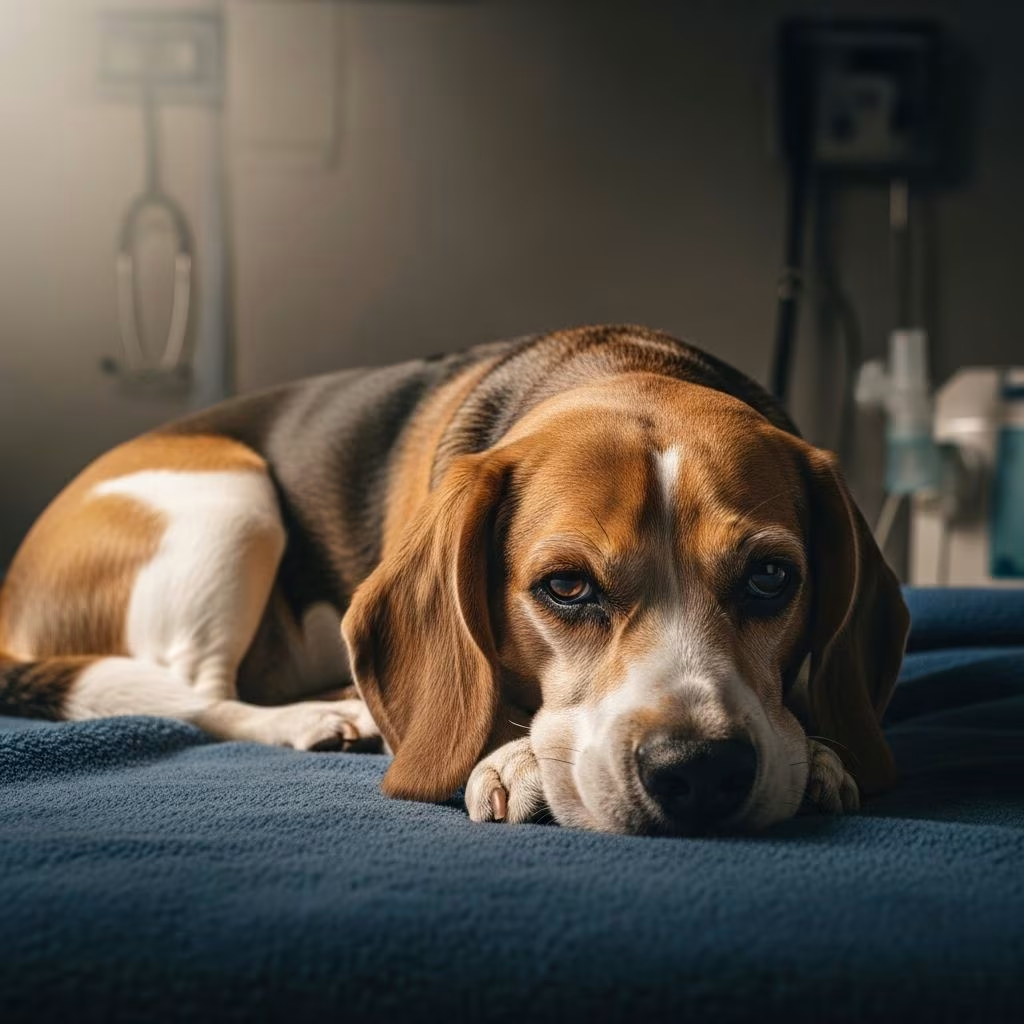
Chronic bronchitis represents a persistent inflammatory condition affecting the lower airways of dogs, leading to ongoing respiratory challenges. This progressive disease primarily impacts older small-breed dogs but can occur in various sizes and ages, characterized by daily coughing persisting for at least a month without an identifiable specific cause.
Recognizing the Signs of Canine Chronic Bronchitis
The hallmark symptom of chronic bronchitis in dogs is a daily cough lasting longer than one month, often sounding like attempts to vomit, accompanied by retching, wheezing, or gagging. Owners frequently mistake this for gastrointestinal issues, but the cough stems from irritated bronchial tubes filled with mucus.
- Persistent dry cough: Honking or hacking sounds, worsening with excitement or exercise.
- Lethargy and exercise intolerance: Due to airway obstruction from mucus buildup, reducing oxygen intake.
- Wheezing or noisy breathing: Audible during inhalation or exhalation.
- Cyanosis in advanced cases: Blue-tinged gums indicating severe oxygen deprivation, requiring immediate veterinary attention.
Early detection is crucial as the condition worsens over time, potentially limiting playfulness and lifespan if unmanaged.
Root Causes and Risk Factors
While the exact etiology remains idiopathic in most cases, chronic bronchitis involves chronic inflammation of the bronchial airways, leading to mucus hypersecretion and bronchospasm. Small breeds like Yorkshire Terriers, Poodles, and Pomeranians are predisposed, alongside older dogs whose airways become more susceptible to irritants.
| Risk Factor | Description |
|---|---|
| Age | Predominantly affects dogs over 8 years. |
| Breed | Small breeds most common; larger breeds occasionally affected. |
| Environmental Irritants | Smoke, dust, pollen exacerbate inflammation. |
| Underlying Conditions | Rule out parasites, infections, or allergies first. |
Irritants trigger an inflammatory cycle: mucus production irritates airways, prompting more cough and inflammation.
Diagnostic Approaches for Accurate Identification
Veterinarians start with a thorough history and physical exam, noting cough patterns and respiratory effort. Diagnostic tools confirm chronic bronchitis by excluding other causes like heart disease, pneumonia, or collapsing trachea.
- Radiography: Chest X-rays reveal bronchial thickening or lung patterns.
- Laboratory Tests: Bloodwork, fecal exams for parasites.
- Advanced Imaging: CT scans or fluoroscopy for dynamic airway assessment.
- Bronchoscopy: Direct visualization, cytology, and culture to check for infections or eosinophils.
No single test defines chronic bronchitis; it’s a diagnosis of exclusion after ruling out reversible causes.
Core Treatment Strategies
Treatment focuses on suppressing inflammation, easing cough, and boosting stamina, often combining medications with lifestyle changes. Most cases manage outpatient, but severe distress may need hospitalization for oxygen and IV support.
Anti-Inflammatory Medications: The Foundation
Corticosteroids like prednisone (1-2 mg/kg/day initially, then tapered) are first-line, targeting the inflammation-cough cycle. Inhaled forms, such as fluticasone (125 mcg every 12 hours via dog-specific spacers like AeroDawg), deliver targeted relief with fewer systemic effects like thirst or urination increases.
Inhaled steroids minimize side effects, proving effective in studies for long-term control.
Bronchodilators for Airway Relief
Bronchodilators relax airway muscles: theophylline (10 mg/kg every 12 hours) improves clearance and fatigue resistance; beta-agonists like terbutaline address bronchospasm in responsive dogs. About half of patients benefit, though initial anxiety may occur.
Cough Control and Antibiotics
Narcotic suppressants like hydrocodone (0.22 mg/kg every 6-12 hours) break the cough-inflammation loop. Antibiotics (e.g., fluoroquinolones) target secondary infections but adjust theophylline doses to avoid toxicity. Mucolytics thin mucus; maropitant shows anecdotal cough relief.
Lifestyle and Home Management Tips
Environmental tweaks are vital: eliminate smoke, dust, aerosols, mold, and strong scents. Use air purifiers, hypoallergenic bedding, and maintain oral hygiene via daily brushing to prevent bacterial spread.
- Opt for dust-free litter if multi-pet home.
- Humidifiers to soothe airways.
- Weight management to reduce respiratory strain.
- Leash walks in clean air, avoiding pollen seasons.
Supplements with antioxidants or anti-inflammatories may support, but consult vets. Emerging options like stem cells or allergy shots are investigational.
Monitoring Progress and Long-Term Outlook
Regular vet check-ups track response: taper meds to lowest effective dose, adjusting for flare-ups. Prognosis improves with compliance; many dogs enjoy good quality life despite incurability. Watch for worsening cough, fatigue, or cyanosis signaling escalation.
Frequently Asked Questions (FAQs)
Can chronic bronchitis in dogs be cured?
No, it’s a lifelong condition, but management slows progression and enhances comfort.
Is coughing always chronic bronchitis?
No; differentials include kennel cough, heartworm, or tumors. Vet diagnostics clarify.
Are inhalers safe for dogs?
Yes, dog-specific masks ensure efficacy with minimal side effects versus oral steroids.
How do I prevent flare-ups at home?
Minimize irritants, maintain hygiene, and follow med schedules strictly.
What if my dog shows blue gums?
Emergency: seek immediate care for oxygen therapy.
Potential Complications and When to Seek Help
Untreated, it leads to fibrosis, right-heart strain, or pneumonia. Acute episodes need calm handling: bronchodilators, cool air, then vet visit.
References
- Canine Chronic Bronchitis: What It Is, Symptoms To Look For, And How To Treat It — Trudell Animal Health. 2023. https://trudellanimalhealth.com/blogs/blog/canine-chronic-bronchitis-what-it-is-symptoms-to-look-for-and-how-to-treat-it
- Canine Chronic Bronchitis: A Review and Update — Today’s Veterinary Practice. 2023. https://todaysveterinarypractice.com/respiratory-medicine/canine-chronic-bronchitis-a-review-update/
- Chronic Bronchitis in Dogs — VCA Animal Hospitals. 2023. https://vcahospitals.com/know-your-pet/chronic-obstructive-pulmonary-disease-copd-in-dogs
- Canine Chronic Bronchitis: An Update — PubMed (Peer-reviewed). 2019-12-09. https://pubmed.ncbi.nlm.nih.gov/31812219/
- Canine Chronic Bronchitis — BluePearl Pet Hospital. 2023. https://bluepearlvet.com/medical-articles-for-pet-owners/canine-chronic-bronchitis/



