

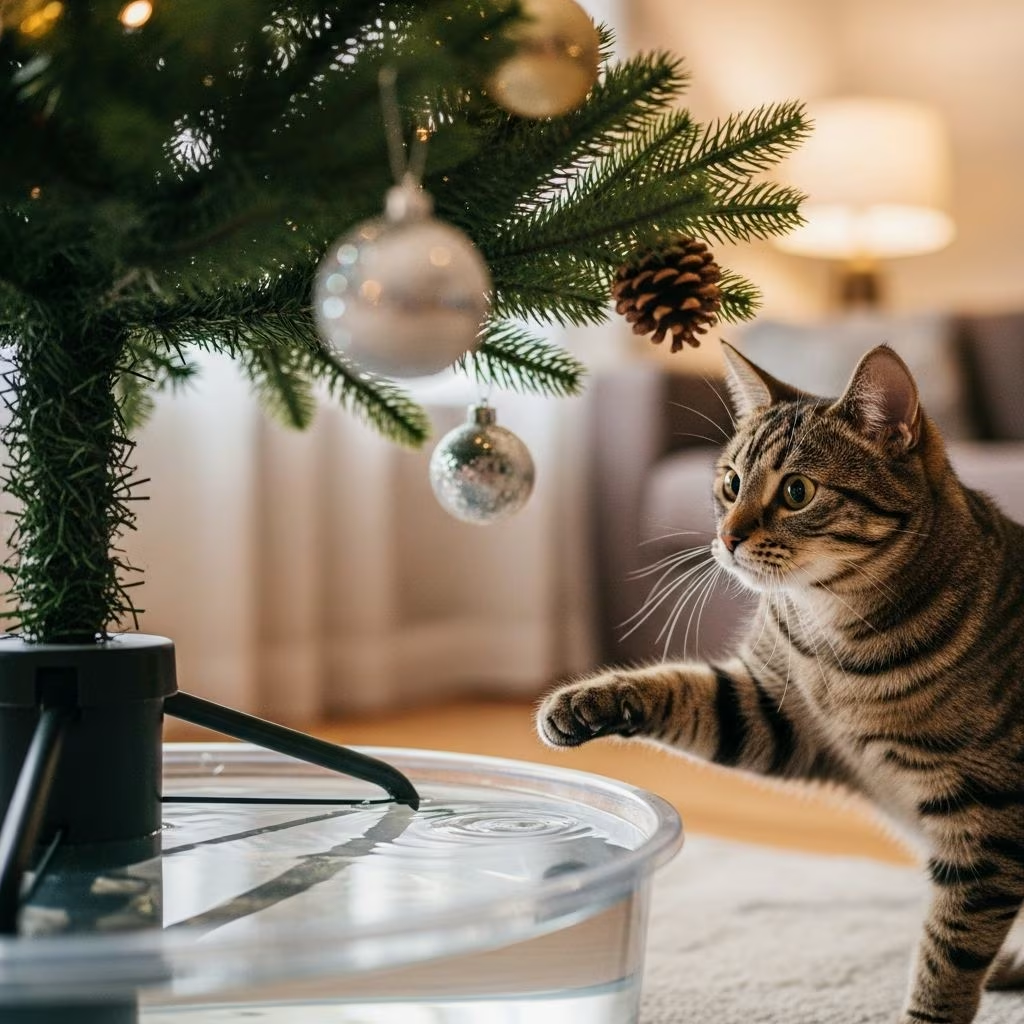
The holiday season brings joy and festive decorations into our homes, but real Christmas trees introduce potential hazards for our feline companions. While many pet owners focus on securing ornaments and lights, one overlooked danger lurks at the base of the tree: the water that keeps it fresh. Understanding why this seemingly innocent water poses risks to cats and knowing how to mitigate those risks can help ensure a safe and happy holiday for your beloved pet.
Understanding the Composition of Tree Water
The water sitting beneath a Christmas tree is far more complex than plain H₂O. When a real tree is freshly cut and placed in a stand, it begins a natural process of deterioration that introduces various substances into the water. Pine sap naturally leaches from the tree’s bark and branches, creating an oily film on the water’s surface. This sap contains essential oils that, while beneficial to the tree’s preservation, can irritate a cat’s sensitive digestive system.
Beyond the tree’s natural secretions, many homeowners add commercial preservatives and fertilizers to prolong the tree’s freshness and vibrancy. These additives often contain nitrogen, phosphorus, and potassium compounds designed to nourish the tree’s vascular system. Some formulas include sugar solutions meant to mimic the nutrient delivery a tree would receive in soil. While these products extend the aesthetic appeal of your holiday display, they create a potentially toxic cocktail for curious cats.
The water environment also deteriorates over time. As days pass, stagnant water becomes a breeding ground for bacteria and fungi. This microbial growth adds another layer of concern, as harmful bacteria can cause gastrointestinal infections independent of any chemical additives present in the water.
Chemical Hazards Specific to Feline Health
Cats are particularly vulnerable to certain chemicals commonly used in tree water solutions. The feline liver lacks specific enzymes that would help process and eliminate certain toxins, making them more susceptible to harm from substances that might affect other pets less severely.
One particularly concerning additive is xylitol, a sugar substitute found in some commercial tree water preservatives. In cats, xylitol can trigger insulin release and cause severe hypoglycemia, leading to seizures, liver failure, and potentially death. Even small quantities of xylitol-containing products warrant immediate veterinary attention.
Fertilizers in tree water solutions present another risk category. These agricultural chemicals, while necessary for plant health, can cause gastrointestinal upset ranging from mild discomfort to severe symptoms when ingested by cats. Fire retardants, sometimes applied to trees during cultivation or after harvest, may also leach into the water and pose toxicity risks.
How Cats Encounter Tree Water Dangers
Cats access Christmas tree water through multiple pathways, not all of them obvious to pet owners. The most direct route involves the cat lapping water directly from the tree’s base. Many cats are attracted to standing water sources, particularly in holiday settings where they may perceive the tree water as a novelty or alternative to their regular water bowls.
An indirect but significant exposure pathway occurs when cats rub against tree branches and accumulate sap on their fur. During their fastidious grooming routines, cats ingest this sap through their paws and coat. This secondary ingestion can introduce concentrated pine oils and other contaminants directly into their digestive systems.
Additionally, cats may chew on fallen needles or small branches near the water, compounding their exposure to both the tree material and the contaminated water source. Playful cats, particularly kittens, may even splash in the water while batting at ornaments or engaging with the tree as an enrichment item.
Recognizing Symptoms of Tree Water Ingestion
Awareness of potential symptoms allows pet owners to respond quickly if their cat has consumed Christmas tree water. The manifestations of this exposure can range from subtle behavioral changes to acute distress depending on the quantity and toxicity of the ingested water.
Common early warning signs include:
- Lethargy or unusual inactivity
- Excessive drooling
- Loss of appetite or disinterest in favorite foods
- Vomiting or attempts to vomit
- Diarrhea or loose stools
- Abdominal tenderness or visible discomfort
More severe symptoms may develop if a significant quantity was consumed or if the water contained highly toxic additives. These can include seizures, jaundice, extreme lethargy, or acute kidney or liver dysfunction. If your cat exhibits any of these symptoms, particularly in combination, seek veterinary care immediately.
The Timeline of Symptom Development
The speed at which symptoms appear depends on multiple factors including the amount of water consumed, the specific toxins present, and your cat’s individual health status and body weight. Some mild gastrointestinal symptoms may appear within hours of ingestion, while others may take 24-48 hours to manifest. This delayed onset makes documentation of your cat’s activities during the holiday period valuable information for your veterinarian.
Immediate Actions Following Tree Water Ingestion
If you witness your cat drinking from the tree base or suspect ingestion, begin monitoring immediately for any behavioral or physical changes. Do not panic, as many cats consume small quantities without developing serious symptoms. However, contact your veterinarian or the ASPCA Animal Poison Control Center at (888) 426-4435 for guidance.
Provide your veterinarian with specific information about your tree water treatment. If you know the exact brand and ingredients of any additives used, have this information ready. Your vet can assess the toxicity risk based on the particular chemicals involved and recommend whether immediate examination is necessary or if home monitoring is sufficient.
Avoid inducing vomiting unless specifically instructed by a veterinary professional, as some substances are more harmful coming back up than going down. Similarly, do not attempt home remedies or delayed medical attention if your cat is showing any signs of distress.
Physical Barriers: Creating a Protected Zone
The most reliable prevention method involves physically separating your cat from tree water access. Professional-grade tree barriers, often resembling decorative fencing or gates, can be installed around the tree’s base. These barriers should extend far enough outward to prevent jumping over them while still allowing room for comfortable tree skirt display and gift placement.
Alternative barrier options include playpen gates, decorative baby gates, or even rigid screening materials arranged in a circular formation around the tree. The key is ensuring the barrier is sturdy enough to withstand a curious cat’s investigative efforts and tall enough to discourage jumping attempts.
Sensory Deterrents and Their Effectiveness
Cats rely heavily on their olfactory system, making smell-based deterrents potentially effective in discouraging tree area exploration. Cats typically dislike citrus scents; applying a small amount of diluted citrus essential oil to the tree’s lower branches or base can create an unpleasant barrier. Alternatively, commercial pet deterrent sprays formulated specifically for cats offer similar benefits without the DIY uncertainty.
Tactile deterrents present another option. Cats generally dislike the sensation of aluminum foil or sticky surfaces beneath their paws. Laying aluminum foil around the tree’s base creates an uncomfortable walking surface that many cats will avoid. Some pet owners combine this approach with deterrent sprays for enhanced effectiveness.
Appealing Alternatives: Water Fountains and Enrichment
Rather than relying solely on prevention, many pet owners successfully redirect their cats’ interests toward preferred alternatives. Cats possess a natural instinct toward running or moving water, finding it more appealing than static water sources. Installing a dedicated cat water fountain in an accessible location, away from the tree, can satisfy this instinct while providing fresh, filtered water.
These fountains offer additional benefits beyond mere deterrence. Constantly circulating water remains cooler than room-temperature standing water and appeals to cats on a physiological level. The gentle sound and movement also provide environmental enrichment that can distract cats from the tree area entirely during waking hours.
Covered Tree Bases and Water Management
If barrier installation seems impractical for your living space, consider investing in a covered tree base that prevents direct water access. These specialized stands feature locking mechanisms or fitted covers that secure around the tree trunk while still allowing water containment underneath. This approach allows you to maintain water levels for tree health without exposing it to cat access.
If you use any water additives, covered bases become especially important. This dual approach of physical containment combined with chemical management provides layered protection against accidental ingestion.
Room Separation: The Nuclear Option
For cats with particularly strong tree water attraction or multiple access methods, completely separating the cat from the tree room may be most practical. Closing doors to the room containing your tree, combined with additional enrichment in other areas of your home, can entirely eliminate the risk of water ingestion.
This approach requires commitment during visiting hours and holiday gatherings, but it represents the most effective risk elimination strategy. Many pet owners find that rotating their cats’ access to other family areas, combined with additional playtime and attention during the holiday season, maintains their pets’ happiness while protecting their safety.
Choosing Tree Water Wisely
If you elect to use water additives despite pet ownership, carefully research product ingredients before purchasing. Many commercial tree water preservatives explicitly list whether they contain xylitol or other toxic compounds. Reading product labels and researching ingredient safety specifically for pets allows you to make informed choices.
The safest option involves using plain water without any additives, accepting a slightly shorter tree life in exchange for pet safety. Modern Christmas trees are bred to last longer than previous generations; even without special preservation treatments, they maintain acceptable appearance for several weeks.
Healthcare Preparation for the Holidays
Before the holiday season begins, ensure your cat’s vaccinations are current and schedule any necessary wellness examinations with your veterinarian. Know your emergency veterinary clinic’s location and contact information, as holiday-related incidents often occur during regular clinic closed hours. Having this information readily available can save critical time if urgent care becomes necessary.
Additional Tree-Related Hazards Beyond Water
While tree water represents a significant concern, it’s one of several Christmas tree-related risks for cats. Tree needles themselves are mildly toxic and can cause gastrointestinal upset or, in large quantities, intestinal obstruction. Decorative lights may pose electrocution hazards if bitten or chewed. Heavy ornaments can cause injury if they fall onto cats, and tinsel can create choking hazards or internal blockages if ingested.
A comprehensive holiday safety approach addresses not just the water but also secures ornaments, removes tinsel from your decorating scheme, and ensures electrical cords are protected or inaccessible. This holistic strategy creates a safer environment that allows you and your cat to enjoy the season together.
When to Contact Veterinary Professionals
Contact your veterinarian immediately if your cat exhibits any of the symptoms previously mentioned after potential tree water exposure. Additionally, reach out if your cat ingested a known quantity of water containing xylitol or other highly toxic additives, regardless of current symptom presentation.
The ASPCA Animal Poison Control Center (888-426-4435) provides expert consultation for suspected toxic exposures and can guide whether your pet requires emergency treatment. These professionals can assess risk based on your cat’s weight, the specific toxin involved, and the quantity consumed.
References
- My Cat Drank Christmas Tree Water! What Should I Do? Vet Answers — Catster. 2024. https://www.catster.com/cat-health-care/cat-drank-christmas-tree-water/
- Are Christmas Trees Toxic to Cats? — PetMD. 2024. https://www.petmd.com/cat/are-christmas-trees-toxic-cats
- Are Christmas Trees Safe for Cats? — Peak Paws Veterinary. 2024. https://peakpawsvet.com/blog/are-christmas-trees-safe-for-cats/
- Cat Christmas Safety Tips: Avoid These Holiday Hazards — AKC Pet Insurance. 2024. https://www.akcpetinsurance.com/blog/keep-your-cat-away-from-these-holiday-hazards



