

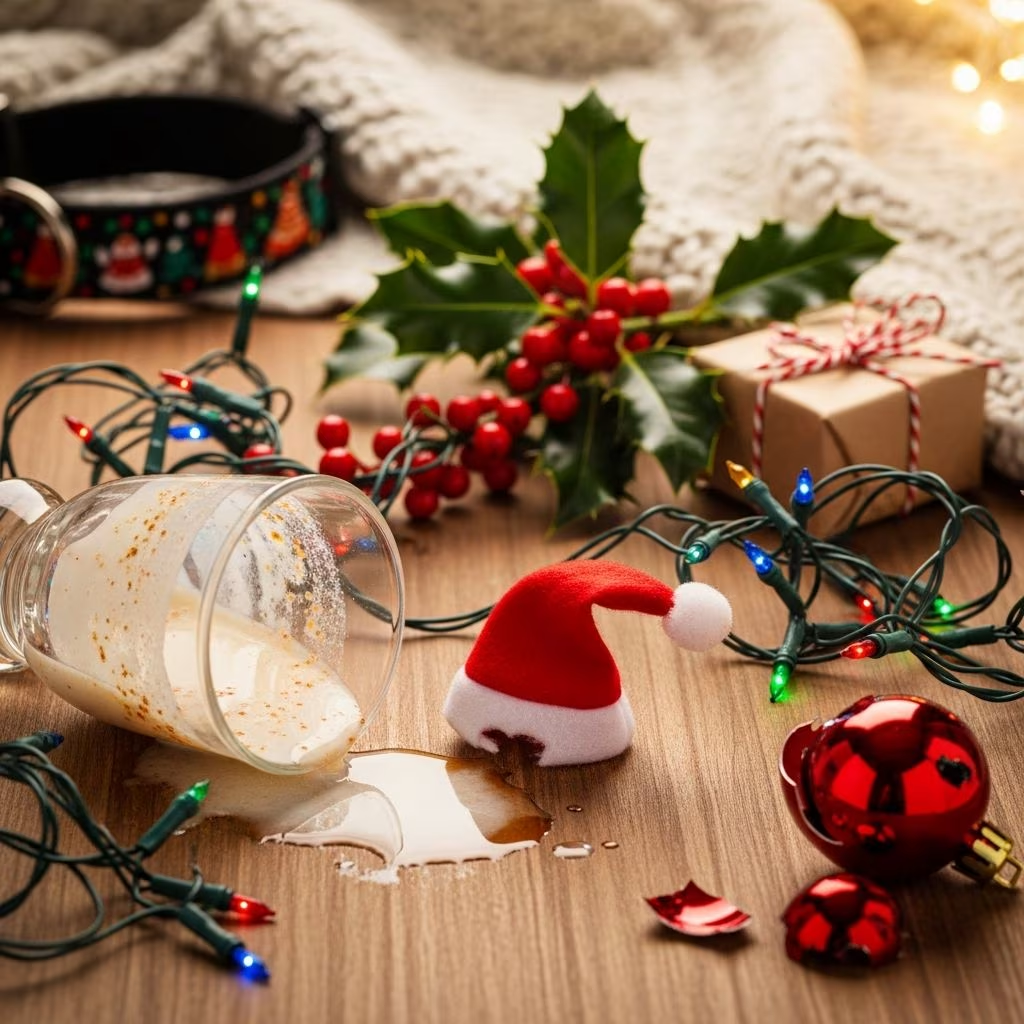
Christmas Holiday Dangers for Pets: Keep Your Furry Friends Safe This Season
The holiday season brings joy, celebration, and festive decorations into our homes. However, many traditional Christmas decorations and holiday foods that we enjoy can pose serious threats to our beloved pets. From tinsel to chocolate, Christmas trees to candles, numerous hazards lurk in our decorated homes. Pet owners must be aware of these dangers and take proactive steps to ensure their four-legged family members stay safe throughout the festive period.
Pets are naturally curious creatures, and the sudden appearance of new items during the holidays makes them even more likely to investigate, chew, or consume things that could be harmful. Understanding these dangers and implementing preventive measures can mean the difference between a joyful holiday and an emergency veterinary visit. This comprehensive guide covers the most significant Christmas hazards for pets and provides practical solutions to keep your companions safe.
Dangerous Christmas Decorations
Tinsel: A Deadly Choking Hazard
Tinsel is one of the most dangerous Christmas decorations for pets, despite not being poisonous itself. Curious pets often mistake the shiny strands for toys and won’t hesitate to bat at them or swallow them. When ingested, tinsel can become stuck in the intestines and cause a life-threatening blockage that frequently requires emergency surgery. The consequences of tinsel ingestion can be severe, including intestinal obstruction, vomiting, dehydration, and even death. Pet owners are strongly advised to skip tinsel entirely and opt for safer decorative alternatives like lights and unbreakable ornaments instead.
Ornaments, Baubles, and Lights
Glass ornaments and baubles present multiple hazards to pets. While baubles are generally low in toxicity, they can cause serious problems if swallowed. If a pet ingests a bauble, it may become stuck in the throat and cause an obstruction that prevents breathing. Additionally, glass ornaments can shatter if knocked to the floor, and broken pieces can injure your pet’s paws and mouth. To minimize these risks, use unbreakable plastic ornaments and place them higher on the tree, away from wagging tails and playful paws.
Christmas lights also pose an electrical hazard. Higher-voltage lights can deliver potentially lethal electric shocks if pets chew through the wires or come into direct contact with damaged cords. Consider using LED lights with lower voltage and ensure all wiring is secure and out of reach from curious teeth.
Christmas Tree Water and Needles
The water in Christmas tree stands is a breeding ground for bacteria and can cause nausea, diarrhea, and stomach upset if consumed by pets. Always cover the tree water with a thick skirt or barrier to prevent access. Additionally, ensure the tree is tightly secured in a sturdy base so there is no chance it can tip over and injure any pets nearby, as both dogs and cats can knock over or climb unsecured trees.
Real Christmas tree needles from pine, fir, or spruce are generally not toxic, but they can still cause serious harm. If your pet swallows the needles, they may experience an upset stomach and irritated mouth. In cats, needles can get stuck in the soft palate, causing irritation or trauma to the intestines due to their sharpness. Regularly vacuum fallen needles and keep pets away from the base of real Christmas trees.
Toxic Holiday Foods and Treats
Chocolate and Edible Decorations
Chocolate is highly toxic to both dogs and cats and should be kept completely out of their reach during the holidays. Chocolate contains theobromine, an ingredient that causes damage to the nervous system and can be fatal. Different types of chocolate contain varying amounts of theobromine—dark chocolate is more dangerous than milk chocolate—but any chocolate can potentially harm pets. Edible tree decorations made from chocolate should be avoided entirely in homes with pets. If you suspect your pet has consumed chocolate, contact your veterinarian immediately, as prompt treatment greatly improves the chances of recovery.
Sugar-Free Candies and Xylitol
Sugar-free and low-sugar candy canes and other sweet decorations may contain xylitol, a common sugar substitute that is highly toxic to dogs. Even small amounts of xylitol can cause serious harm, including liver damage and dangerous drops in blood sugar. Xylitol levels vary from product to product, making it difficult to determine safe amounts. If you decide to use edible decorations, hang them toward the very top of the tree where they’re difficult for pets to access. If you suspect your pet has eaten anything containing xylitol, seek veterinary care immediately.
Fatty, Spicy, and Alcoholic Foods
Holiday feasts often feature foods that are dangerous for pets. Fatty foods, spicy dishes, and alcohol can all be harmful to dogs and cats. While a small piece of boneless turkey might seem like a harmless treat, it’s better to err on the side of caution and avoid feeding your pet human holiday food. Turkey and chicken bones are particularly dangerous as they can splinter and cause intestinal blockages or puncture the digestive tract. Additionally, keep your pet’s diet the same as any other day to avoid digestive upset.
Toxic Holiday Plants
Mistletoe and Holly
Mistletoe and holly are traditional holiday plants that can cause gastrointestinal upset and cardiovascular problems if ingested by pets. These plants should be kept completely out of paws’ reach or replaced with faux alternatives. Similarly, poinsettias can cause mild to moderate gastrointestinal irritation if consumed.
Lilies and Other Toxic Flowers
Many types of lilies commonly found in holiday bouquets are highly toxic and can cause kidney failure in cats, even in small amounts. If you include fresh flowers in your holiday décor, ensure they are pet-safe varieties or consider using artificial flowers instead. Always keep floral arrangements on elevated surfaces where cats cannot access them.
Electrical and Fire Hazards
Wires and Batteries
Holiday décor often involves numerous wires and batteries. Pets, especially cats, love to bat at dangling wires or chew on cords, which can lead to electrocution. If batteries are punctured through chewing, they can cause burns to the mouth and throat. Keep all wires secure and out of reach, and ensure batteries are stored in closed cabinets away from curious pets.
Candles and Open Flames
Whether you’re lighting a menorah or filling your home with scented candles, never leave candles unattended. Curious paws and happy wagging tails can easily knock over candles, potentially burning your pet or starting a fire. Use battery-operated candles as a safer alternative, or place traditional candles on high shelves where pets cannot reach them.
Additional Holiday Hazards
Snow Globes
Snow globes contain ethylene glycol, the same chemical used in antifreeze, which is highly toxic to all pets. If a snow globe breaks, the sweet smell can attract pets to taste it, potentially leading to fatal intoxication. Keep snow globes on high shelves or in closed cabinets, and thoroughly clean up any accidental breakages immediately.
Ice Melt and Salt-Dough Ornaments
Ice melt products and salt-dough ornaments can cause life-threatening electrolyte imbalances in pets. These products may be enticing to pets but should be kept completely out of reach. Use pet-friendly ice-melting agents instead of traditional salt-based products.
Trash and Gift Wrapping
Holiday trash often contains food, broken decorations, and other hazards. Secure garbage cans with tight-fitting lids or keep them in a location pets cannot access. Additionally, keep wrapped presents off the ground, as pets may smell food inside wrapped packages and attempt to open them by chewing or ingesting the wrapping.
Medications and Guest Items
Keep all medications safely stored and out of paws’ reach. If you have houseguests, make sure they store their medications in closed cabinets rather than leaving them in bags or suitcases, as guests may not be aware of how curious pets can be.
Loud Noises
Loud music, fireworks, celebratory poppers, and noisemakers can frighten pets and cause anxiety. Make sure there is a safe, quiet space where your pet can retreat if they need some peace and quiet during festivities.
Prevention and Safety Tips
Create a Pet-Safe Holiday Environment
The best approach to pet safety during the holidays is prevention. Restrict your pet’s access to rooms where Christmas trees and hazardous décor are located whenever possible. Keep an extra close eye on your pet during the festive period, especially new puppies or kittens experiencing their first Christmas. Ensure they don’t sneak off to eat anything they shouldn’t, and keep all dangerous items entirely out of their reach.
Choose Pet-Friendly Decorations
Opt for unbreakable plastic ornaments instead of glass, and skip tinsel entirely. Use battery-operated lights instead of traditional electrical lights to reduce electrocution risks. Consider artificial trees instead of real trees to minimize needle-related dangers, though remember to secure any tree securely to prevent it from being knocked over.
Monitor Your Pet Closely
During the holiday season, monitor your pet more carefully than usual. Watch for signs of illness such as vomiting, diarrhea, lethargy, loss of appetite, or unusual behavior. Keep emergency veterinary contact information readily available, and know the location of the nearest emergency veterinary clinic.
What to Do If Your Pet Ingests Something Toxic
If you suspect your pet has been exposed to or ingested a poisonous substance, contact your veterinarian or the Animal Poison Control Center (APCC) immediately at (888) 426-4435. Time is critical in poisoning cases, and prompt treatment greatly improves the chances of recovery. Have the following information ready when you call:
– The substance your pet ingested- The approximate amount consumed- The time of ingestion- Your pet’s weight and species- Any symptoms your pet is currently displaying
Frequently Asked Questions
Q: Are real Christmas trees safe for pets?
A: Real Christmas trees are safer than decorated artificial trees, but they still pose risks. Tree needles can cause intestinal problems, and tree water can harbor bacteria. Always secure the tree firmly, cover the water, and remove fallen needles regularly.
Q: What should I do if my dog eats chocolate during the holidays?
A: Contact your veterinarian or the Animal Poison Control Center immediately. The severity depends on the type and amount of chocolate consumed. Dark chocolate is more dangerous than milk chocolate. Prompt treatment is essential.
Q: Can I give my pet holiday leftovers?
A: It’s best to avoid giving pets human holiday food. Many festive dishes contain ingredients toxic to pets, such as garlic, onions, excessive fat, spices, and bones. Stick to their regular diet to prevent digestive upset.
Q: How can I keep my cat away from the Christmas tree?
A: Secure the tree firmly in a sturdy base, keep ornaments at higher levels out of reach, use double-sided tape around the base as a deterrent, and consider creating a physical barrier around the tree.
Q: What are signs my pet has ingested something toxic?
A: Signs include vomiting, diarrhea, lethargy, loss of appetite, drooling, tremors, difficulty breathing, or unusual behavior. Seek immediate veterinary care if you notice any of these symptoms.
Q: Is tinsel really that dangerous for pets?
A: Yes, tinsel is extremely dangerous. When swallowed, it can wrap around the intestines and cause a life-threatening blockage requiring emergency surgery. It’s best to avoid tinsel entirely and use safer decorations instead.
Q: Can I use electric lights on my Christmas tree if I have pets?
A: Yes, but use caution. Secure all wiring out of reach, inspect cords for damage, and consider using LED lights which generate less heat and pose lower electrocution risks than traditional lights.
References
- Dangerous Christmas decorations to be aware of if you’re a pet owner — People’s Dispensary for Sick Animals (PDSA). 2024. https://www.pdsa.org.uk/what-we-do/blog/dangerous-christmas-decorations-to-be-aware-of-if-you-re-a-pet-owner
- Don’t Let These 10 Holiday Pet Hazards Ruin Your Holiday Spirit — American Society for the Prevention of Cruelty to Animals (ASPCA). 2024. https://www.aspca.org/news/dont-let-these-10-holiday-pet-hazards-ruin-your-holiday-spirit
- Pet Safety and Emergencies — Best Friends Animal Society. 2024. https://bestfriends.org/pet-care-resources/issues/pet-safety-and-emergencies
- 6 Pet Safety Tips for the Holidays — Best Friends Animal Hospital. 2024. https://bestfriendsvets.com/news/holiday-pet-safety-tips
- Holiday Pet Safety Tips — BOOMER Magazine. 2024. https://www.boomermagazine.com/holiday-pet-safety-tips/
- Xylitol Toxicity in Dogs — American Veterinary Medical Association (AVMA). 2024. https://www.avma.org/
- Theobromine Toxicity in Pets — American Animal Hospital Association (AAHA). 2024. https://www.aaha.org/



