

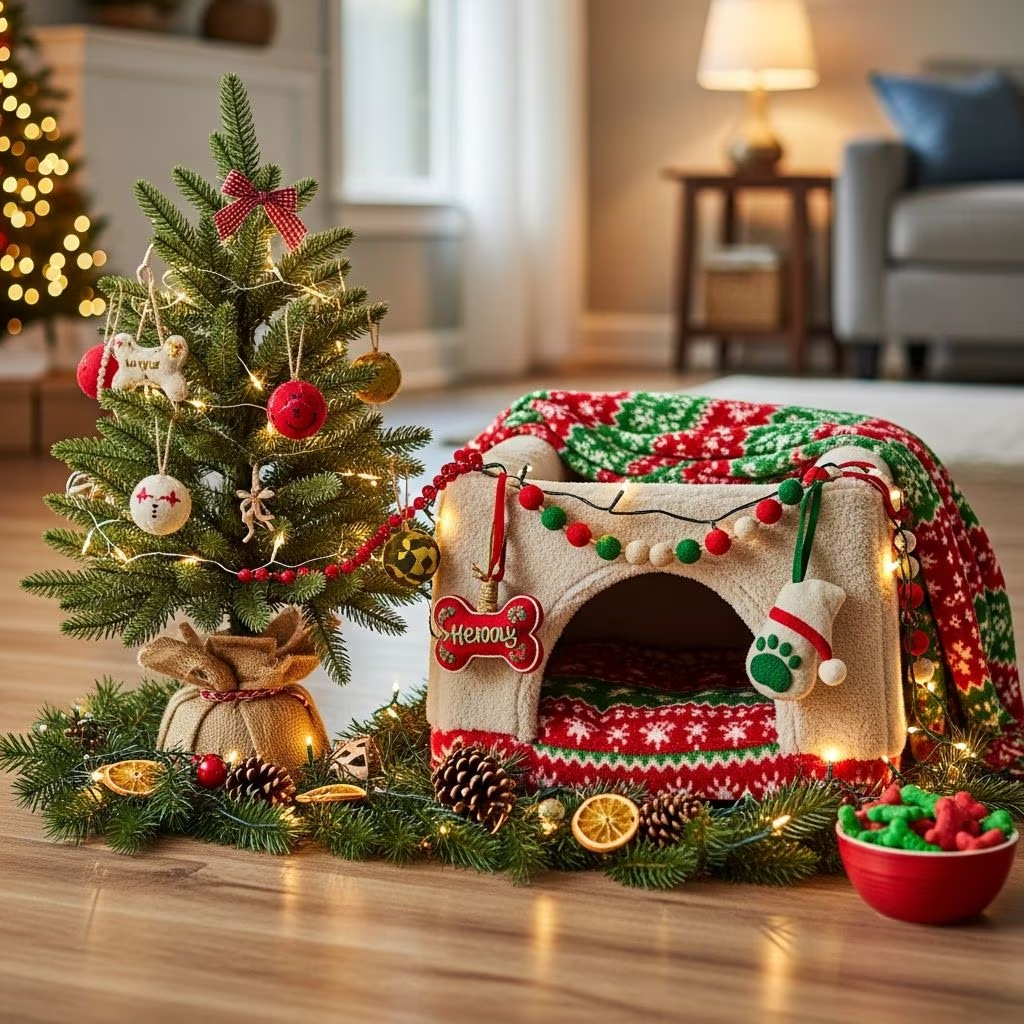
Christmas Decoration Ideas for Pet Space
The holiday season brings joy, warmth, and festive decorations into our homes. However, for pet owners, Christmas can present unique challenges when it comes to keeping their furry companions safe while maintaining a beautifully decorated space. Creating a pet-friendly Christmas environment doesn’t mean sacrificing holiday cheer—it simply requires thoughtful planning and awareness of potential hazards. This guide will help you navigate the season with practical decoration ideas that allow both you and your pets to enjoy the festivities together.
Understanding Pet Safety During the Holidays
Before diving into decoration ideas, it’s crucial to understand why certain precautions matter. Cats and dogs are naturally curious creatures, and the novelty of Christmas decorations can be particularly enticing. From twinkling lights to dangling ornaments, many traditional decorations pose risks to our beloved companions. Understanding these dangers is the first step toward creating a safe and festive environment.
Pets may be attracted to decorations because they resemble toys or prey items. The movement of tinsel, the smell of real Christmas trees, and the texture of certain ornaments can trigger a cat’s hunting instincts or a dog’s playful nature. Additionally, some decorative materials are toxic if ingested, and certain decorations can cause choking hazards or injury.
Choosing Pet-Safe Christmas Trees
The Christmas tree is often the centerpiece of holiday decorations, making it essential to choose one that works well for pet owners. When selecting a tree, you have several options to consider:
Artificial Trees Without Flocking
Artificial trees are generally the safest option for homes with pets. The safest and most highly recommended Christmas trees for cat owners are artificial trees with no flocking. Flocking contains chemicals that can be toxic to pets, so avoiding flocked trees is important for your animal’s health. When selecting an artificial tree, shake it out as you assemble it to ensure no plastic pieces or debris will be shed and potentially ingested by your pets. Most quality artificial trees shed minimally, making them an excellent choice for pet-friendly households.
Real Tree Considerations
If you prefer a real Christmas tree, choose a fresh one that hasn’t been treated with excessive pesticides or chemicals. Real trees can be enticing to cats because of their natural scent and texture. However, be aware that pine needles can be problematic if ingested in large quantities, and the water in tree stands may contain bacteria or fertilizers that could upset your pet’s stomach. Consider using a physical barrier around the tree base to prevent access to the water.
Elevating Your Tree
One of the most effective strategies for protecting your tree from curious pets is elevation. Cats are significantly less interested in Christmas trees if the lowest branches are above their head height. Rather than simply placing your tree on the floor or on a standard tree stand, consider building or purchasing a raised platform that keeps the tree elevated at least two feet above the ground. This can be achieved by building a box around the base of the tree or using a large barrel designed for this purpose. The base must be wide and sturdy enough that your pet cannot tip the entire tree over, as a falling tree could injure your animal or cause property damage.
Pet-Safe Ornaments and Decorations
Ornaments and other tree decorations require careful consideration when you have pets in your home. Not all decorative items are equally safe for animals:
Ornament Selection
Choose ornaments made from non-toxic, durable materials that can withstand investigation. Avoid fragile glass ornaments that could break and cause injury. Instead, opt for plastic, wood, felt, or fabric ornaments. Consider using ornaments designed specifically for pet-friendly homes, or create DIY ornaments using safe materials. Hang ornaments high on the tree where pets cannot easily reach them, and secure them firmly so they won’t fall if brushed or pounced upon.
Avoiding Dangerous Decorations
Several traditional Christmas decorations pose significant risks to pets and should be avoided or used with extreme caution:
- Tinsel and garland can entangle pets or cause intestinal blockages if swallowed
- Lights with loose wires or damaged insulation pose electrical hazards
- Holly, mistletoe, and poinsettias are toxic to cats and dogs
- Small decorative items that could be choking hazards
- Decorations containing glitter or other ingestible materials
Lighting Your Home Safely
Christmas lights create magical ambiance, but they require careful management in pet-friendly homes. Use only LED lights, which generate less heat and are more energy-efficient than traditional incandescent bulbs. This reduces the risk of burns if your pet comes into contact with the lights. Secure all electrical cords and wires out of reach of your pets using cord covers or by placing them behind furniture. Check all lights regularly for damage or loose connections that could pose electrical hazards.
Avoid placing lights in areas where pets frequent most, such as their favorite resting spots or play areas. If your pet is particularly curious or prone to chewing, consider using battery-operated lights instead of plugged-in versions to eliminate electrical risks entirely.
Creating Festive Spaces Without Traditional Decorations
If traditional decorations seem too risky for your particular pet, consider these creative alternatives that allow you to maintain holiday spirit while prioritizing safety:
DIY Cat-Safe Christmas Tree
One innovative approach is to build a dedicated Christmas tree or cat house specifically designed for your feline friend. This can be constructed from cardboard boxes with cutouts for entry and exit points, elevated platforms for climbing, and covered domes for hiding. You can then decorate this structure with pet-safe elements, creating a festive space that doubles as an enrichment toy. This approach not only keeps your pets safe but also gives them something engaging to interact with during the holiday season.
Wrapped Present Displays
Instead of displaying wrapped presents under a traditional tree, integrate them throughout your home as Christmas decor. Arrange presents on open shelving, bookshelves, or other elevated surfaces where they serve as both decoration and storage. This approach keeps small items out of your pet’s reach while creating visual interest throughout your home. If presents have ribbons, ensure they’re displayed in areas your pets cannot access without supervision, as ribbons can pose entanglement or ingestion risks.
Paper and Cardboard Decorations
Create decorations from paper, cardboard, and other non-toxic materials. Paper snowflakes, cardboard advent calendars, and construction paper garlands can all add festive flair without hazards. Even plain cardboard boxes can serve as decorative elements and provide enrichment for cats who enjoy exploring and hiding in boxes.
Decorating Strategy and Timing
How you approach the decoration process matters as much as what you choose. Following these strategies can significantly reduce your pet’s interest in your holiday setup:
Don’t Decorate in Front of Your Pet
Cats are curious by nature, and they interpret your interaction with decorations as playtime. If you decorate while your cat is watching, they’re likely to mimic your behavior and treat the decorations as toys. Instead, place your pets in a separate room with access to litter boxes, food, and water while you set up decorations. Once everything is in place and you stop actively engaging with the decorations, your pets will be much less interested in them.
Allow Your Pet to Investigate
Once decorations are in place, allow your cat or dog to investigate them at their own pace. Let them sniff around the tree base and examine new items in their environment. This natural investigation satisfies their curiosity without encouraging play. Simply ignore the decorations yourself—pretend they’re completely ordinary and uninteresting. This lack of attention from you will help convince your pet that the decorations aren’t toys worth playing with.
Distraction and Enrichment
One of the most effective strategies for keeping pets away from Christmas decorations is providing alternative entertainment. When you set up your tree and decorations, introduce new toys or enrichment items in a different area of your home. This gives your pets something approved to focus on while drawing their attention away from the tree. New toys don’t have to be expensive—even a cardboard box, paper bag, or DIY toy can provide significant enrichment and distraction.
Consider interactive toys, puzzle feeders, or treat-dispensing toys that require your pet’s attention and problem-solving skills. The more engaged your pet is with their own enrichment items, the less interested they’ll be in investigating your holiday decorations.
Plants and Natural Decorations
While fresh greenery and plants can add natural beauty to your holiday décor, many are toxic to pets. Avoid displaying the following plants in accessible areas:
- Poinsettias can cause gastrointestinal upset
- Holly and mistletoe are toxic and potentially dangerous
- Lilies are extremely toxic to cats
- Amaryllis and daffodils can cause severe reactions
- Christmas cactus is generally safe but should still be kept out of reach
If you want to incorporate festive greenery, consider using pet-safe options like spider plants (which are safe for cats despite being attractive to them), Christmas cactus, or simply purchasing artificial versions of traditional holiday plants.
Storage and Cleanup Considerations
After the holidays, proper storage of decorations is crucial for ongoing pet safety. Store all decorations in sealed containers in areas your pets cannot access. This prevents year-round hazards from decorative items and keeps them in good condition for next year. Be particularly careful with ornaments, lights, and anything containing small parts that could become choking hazards.
During both setup and takedown, keep a close eye on your pets. The process of putting away decorations can be just as enticing as setting them up, especially if you’re handling items your pet finds interesting. Consider confining your pets during these processes to prevent any accidents.
Frequently Asked Questions
Q: Can cats be around real Christmas trees?
A: Cats can be around real Christmas trees, but precautions are necessary. Elevate the tree with a sturdy base at least two feet high to minimize interest, use a physical barrier around the tree base to prevent access to potentially contaminated water, and monitor your cat’s interaction with the tree. Real trees are less ideal than artificial trees for homes with curious cats.
Q: What should I do if my pet eats a Christmas ornament?
A: If your pet ingests an ornament or other decoration, monitor them closely for signs of distress such as vomiting, lethargy, loss of appetite, or unusual behavior. Contact your veterinarian immediately, as some materials can cause internal injuries or blockages. Have information about what was ingested ready to share with your vet.
Q: Are artificial Christmas trees safe for cats?
A: Artificial trees without flocking are generally the safest option for cats. However, choose trees that don’t shed plastic pieces, and shake out the tree during assembly to remove any debris. Elevating the tree and using the strategies mentioned in this guide will further ensure your cat’s safety.
Q: How can I keep my dog from knocking over the Christmas tree?
A: Use a sturdy, weighted tree stand or elevate the tree with a wide, stable base (such as a wooden box) that’s too heavy for your dog to tip. Secure the tree to a wall or ceiling if necessary. Keep the base area clear of hazards and consider using a baby gate to restrict access when you’re not supervising.
Q: What are some pet-safe decorating alternatives?
A: Consider building a dedicated pet cat tree decorated with safe elements, creating decorations from paper and cardboard, displaying wrapped presents as décor on elevated surfaces, or using battery-operated lights instead of traditional electrical ones. You can also create DIY toys and enrichment items from household items.
Q: Is tinsel safe for pets?
A: No, tinsel is not safe for pets. It can entangle around internal organs, cause intestinal blockages, or lead to choking if ingested. Avoid using tinsel in homes with curious cats or dogs, and opt for alternative garlands made from pet-safe materials instead.
References
- How to Cat-Proof Christmas Trees & Decor — A House We Built. 2025. https://www.ahousewebuilt.com/how-to-cat-proof-christmas-trees-decor/
- Build A Cat-Safe Christmas Tree For My Cats — Ginger and Pepper. November 17, 2024. https://www.youtube.com/watch?v=YjvkR16MIec



