

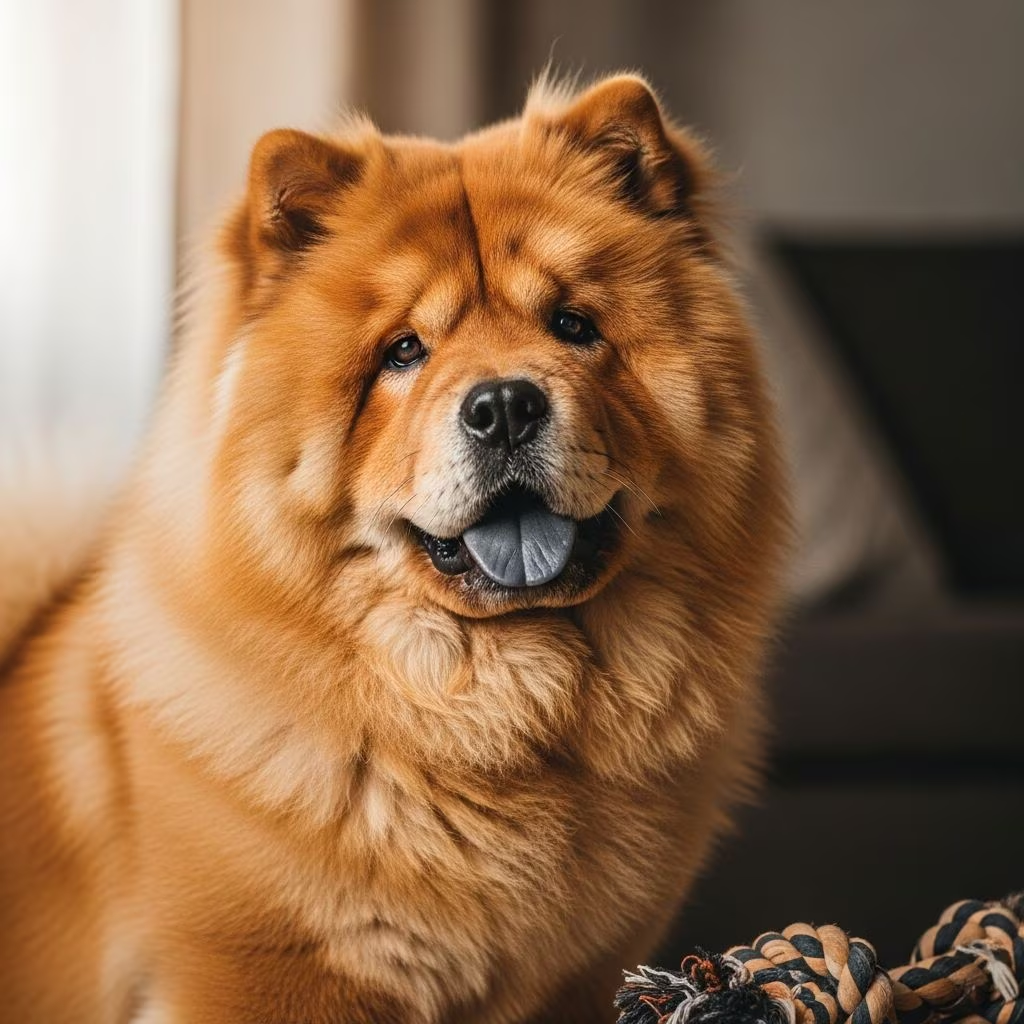
The Chow Chow stands out as one of the world’s most ancient dog breeds, tracing its roots to ancient China around 8,300 years ago. Renowned for its lion-like mane, dense double coat, and striking blue-black tongue, this breed combines regal dignity with a fiercely protective instinct.
Ancient Roots and Historical Journey
Emerging from Chinese indigenous dogs, the Chow Chow’s lineage dates back to approximately 8300 years ago, marking it as a basal breed in canine evolution. Genetic studies reveal a rapid formation process with limited gene flow from other populations, suggesting intentional breeding for distinct traits early on.
During the Han Dynasty (206 BCE–220 CE), these dogs appeared in pottery depictions, showcasing their square-built bodies, erect ears, and curled tails. They served multifaceted roles: hunting formidable prey like wolves and leopards, guarding palaces, herding livestock, pulling sleds, and even as companions in imperial courts.
In Tibetan monasteries, breeders specialized in blue-coated varieties over generations, using them for protection and herding. Emperors of the Tang Dynasty maintained vast kennels of up to 25,000 pairs, treating them as symbols of status with luxurious care.
By the 19th century, Chow Chows reached Europe around 1820, exhibited in London zoos as “Wild Dogs of China.” They arrived in the United States in the 1890s, gaining American Kennel Club recognition in 1903.
Signature Physical Characteristics
Chow Chows possess a compact, sturdy build with a large head, short muzzle, and straight legs that contribute to their distinctive stiff-legged gait. Their profuse double coat—either rough or smooth—forms a dense ruff around the neck, resembling a mane, and comes in colors like reddish-brown, black, and blue-gray.
- Blue-Black Tongue: A hallmark trait, possibly linked to few specific genes, shared distantly with certain bear species.
- Dental Anomaly: Extra pair of teeth (44 total instead of 42).
- Tail and Stance: Tightly curled over the back; straight hind legs for power.
- Size: Males 19-22 inches tall, 50-70 lbs; females slightly smaller.
Genetic analysis indicates traits like the thick coat and tongue color may stem from limited genetic coding, underscoring their unique phenotype.
Temperament and Behavioral Traits
Chow Chows exhibit an aloof, independent demeanor, often described as dignified and cat-like. They are deeply loyal to family but wary of strangers, making excellent watchdogs without excessive barking.
| Trait | Description |
|---|---|
| Loyalty | Devoted to owners; forms strong, lifelong bonds. |
| Protectiveness | Naturally guards home and family; discerning with outsiders. |
| Independence | Self-reliant; not overly affectionate or needy. |
| Trainability | Requires firm, consistent methods due to stubborn streak. |
| With Children | Best with older kids; supervise due to low tolerance for rough play. |
Early socialization is crucial to temper their reserved nature. They thrive in calm environments and may not mesh well with boisterous pets.
Grooming and Daily Maintenance
Their thick coat demands regular care to prevent matting. Brush 2-3 times weekly, more during shedding seasons. Bathe sparingly to preserve natural oils.
- Brush teeth frequently; monitor for dental issues from extra teeth.
- Trim nails monthly; check ears for infections.
- Smooth coats need less brushing than rough varieties.
Diet should support their metabolism-related genes, focusing on high-quality protein for muscle maintenance.
Health Considerations and Lifespan
Chow Chows live 8-12 years but are prone to hip dysplasia, elbow issues, eye problems like entropion, and hypothyroidism. Genetic selection for metabolism and muscle genes influences these risks.
Regular vet check-ups, weight management, and joint supplements help mitigate concerns. Avoid overexertion in puppies to protect developing bones.
Training and Exercise Requirements
Firm, positive reinforcement works best; avoid harsh methods that could entrench stubbornness. Short, daily walks (30-45 minutes) suffice, as they are not high-energy.
- Start obedience basics early.
- Socialize with varied environments.
- Mental stimulation via puzzle toys prevents boredom.
They excel in obedience, rally, and as therapy dogs when properly trained.
Ideal Living Environment
Best suited for homes with yards; apartments work if exercise is provided. They tolerate cold well due to coat but dislike heat. Quiet households match their low-key vibe.
Chow Chow Ownership: Pros and Cons
| Pros | Cons |
|---|---|
| Low exercise needs | Heavy shedding |
| Superior guarding | Potential health issues |
| Unique appearance | Strong-willed temperament |
| Loyal companion | High grooming time |
Frequently Asked Questions (FAQs)
Why do Chow Chows have blue tongues?
This genetic trait, present from ancient times, darkens from birth and remains a breed standard. Its exact purpose is unclear but may relate to minimal gene coding.
Are Chow Chows good family pets?
Yes, with proper training and socialization; they protect families but prefer older children due to their serious nature.
How often should I groom a Chow Chow?
Brush weekly routinely, daily during sheds; focus on the mane area to avoid tangles.
What’s the origin story of the Chow Chow?
Originating ~8300 years ago from Chinese native dogs, they evolved with low gene flow for specialized traits.
Do Chow Chows get along with other dogs?
Often dominant; early introductions help, but same-sex pairings may clash.
Bringing a Chow Chow into Your Life
Adopt from reputable breeders emphasizing health testing or rescues. Prepare for commitment to grooming, training, and their independent spirit. These ancient guardians reward patient owners with unwavering devotion.
References
- The ancient origins of the Chow Chow — BMC Series Blog. 2017-03-10. https://blogs.biomedcentral.com/bmcseriesblog/2017/03/10/ancient-origins-chow-chow/
- Chow chow | Dog Breed, Description, Temperament, & Facts — Britannica. (Accessed 2026). https://www.britannica.com/animal/chow-chow
- The origin of chow chows in the light of the East Asian breeds — PMC (Peer-reviewed). 2017. https://pmc.ncbi.nlm.nih.gov/articles/PMC5312535/
- Chow Chow History — Canine Chronicle. (Accessed 2026). https://caninechronicle.com/current-articles/chow-chow-history/
- Chow Chow – Full History — YouTube (Video transcript). (Accessed 2026). https://www.youtube.com/watch?v=jGYqddGVres



