

Chow Chow Dog Breed: Complete Guide to Care and Ownership
The Chow Chow is one of the oldest dog breeds, with origins tracing back to ancient China where they date to the Han dynasty (206 BCE–220 CE). These distinctive dogs have captured the hearts of dog enthusiasts worldwide with their unique appearance and loyal nature. Whether you’re considering bringing a Chow Chow into your home or simply want to learn more about this fascinating breed, this comprehensive guide covers everything you need to know about these remarkable companions.
Breed History and Origins
The Chow Chow originated in ancient China approximately 4,000 years ago, making it one of the oldest dog breeds in existence. This breed was developed as an all-purpose dog used for hunting, herding, and guarding. The breed’s genetics are remarkably close to those of the wolf, distinguishing it from most modern dog breeds that are descended from multiple cross-breedings.
Chow Chows were first introduced to the United Kingdom in the 1820s and later brought to the United States in the 1890s. The American Kennel Club formally recognized the breed in 1903. The breed’s ancient lineage means it represents a relatively pure genetic line compared to most contemporary dog breeds, which were developed through selective breeding programs.
Physical Characteristics and Appearance
Size and Build
Chow Chows are well-built, muscular, medium-sized dogs with a compact frame. Males typically stand 19 to 22 inches tall at the shoulder, while females are slightly smaller at 18 to 20 inches. The breed weighs between 45 and 70 pounds when fully grown. Despite their moderate size, their sturdy build and dense coat give them an impressive, substantial appearance.
Distinctive Features
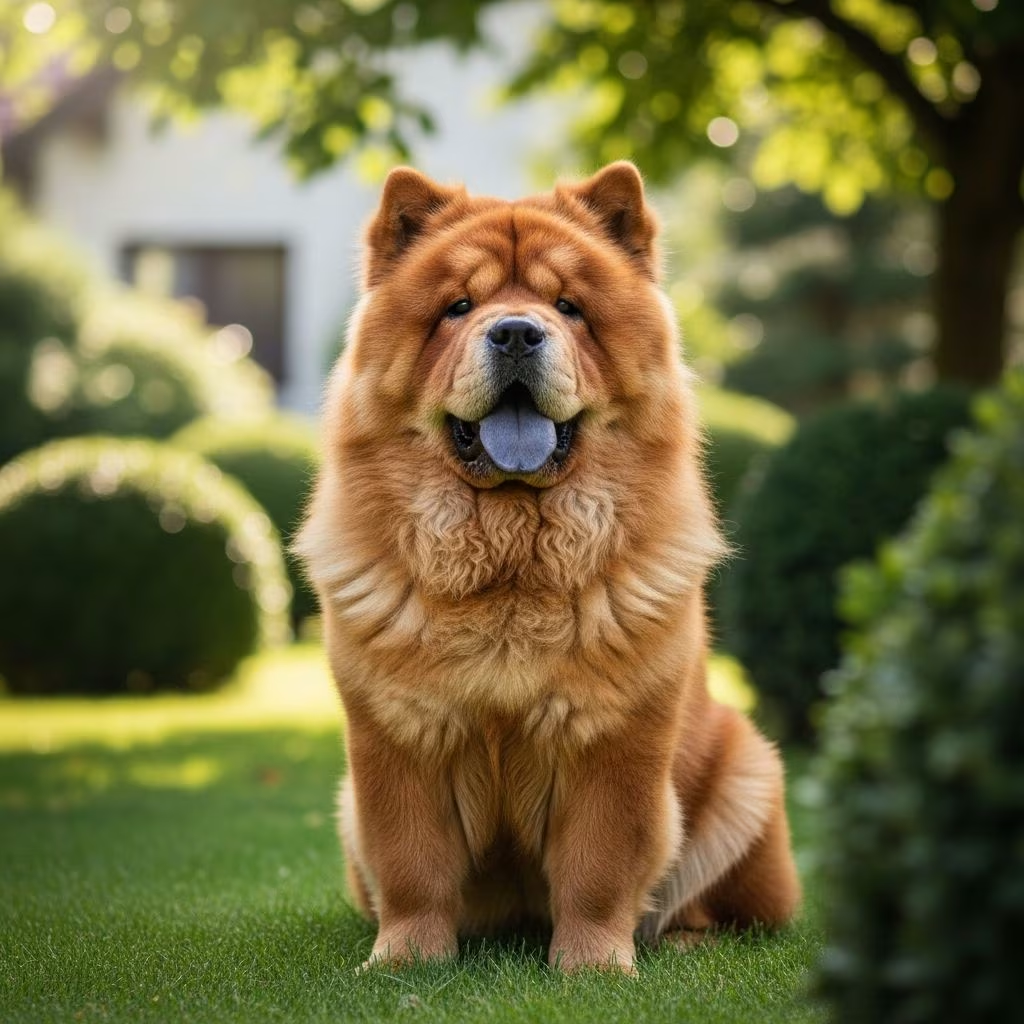
The most immediately recognizable feature of a Chow Chow is its distinctive lionlike mane that surrounds the head and shoulders, giving the breed an majestic appearance. This thick, profuse double coat creates a dense ruff around the neck that accentuates this lion-like quality.
One of the breed’s most unusual characteristics is its blue-black or purple tongue and lips, making them the only dog breed to possess this distinctive coloration. This unique feature results from extra pigmentation and an overaccumulation of melanin in the mouth tissue. The breed also features almond-shaped eyes that can give them a somewhat snobbish or dignified expression.
Chow Chows have small, rounded ears and carry their distinctive curly tail over their back or to either side. Perhaps their most peculiar physical trait is their characteristic stiff-legged, stilted gait. Their straight back legs do not bend the way most other dog breeds’ legs do, creating a walking pattern that resembles a ballet dancer en pointe. This straight-legged walk gives them an unmistakable and memorable appearance, especially in rough-coated individuals.
Coat Colors and Types
Chow Coats come in two distinct types: smooth and rough. The rough coat, which is more common, is extremely dense and requires daily or every-other-day brushing to prevent matting. The smooth coat is thick and medium-length, requiring brushing twice weekly. Both coat types are evenly colored and can be found in various shades including black, cream, cinnamon, blue, or red. Blue-coated Chows typically have a matching blue or gray nose, maintaining a coordinated appearance throughout their body.
Temperament and Personality
The Chow Chow personality is distinctly different from most dog breeds, often compared to the independent nature of cats rather than typical canine behavior. They are extremely independent, composed, and aloof, displaying a cool and somewhat distant demeanor. While their fluffy appearance might suggest they are eager for cuddles, Chow Chows are generally not as enthusiastic about physical affection as other breeds.
Despite their reserved nature, Chow Chows demonstrate remarkable loyalty and devotion to their families. They often choose one family member to follow around the house, mimicking cat-like behavior. They show confidence and self-reliance while maintaining an even temperament that allows them to adapt to various living situations.
Chow Chows are not particularly playful as adults and are fairly low-energy dogs. They tend to be aloof and suspicious toward strangers and may not be pleasant toward unfamiliar dogs and people, sometimes displaying aggression if not properly trained and socialized. They do not bark excessively, though when they do bark, it is notably loud and powerful. These territorial dogs prefer to remain indoors most of the time and make excellent watchdogs and fairly good protection dogs due to their natural protective instincts.
Exercise and Activity Requirements
Unlike many dog breeds that require extensive exercise, Chow Chows are not particularly active dogs. They do not need large amounts of physical exercise to remain healthy and happy. A simple daily walk is the preferred form of exercise for this breed, as they are content with modest physical activity. This characteristic makes them well-suited for apartment living and families with less active lifestyles.
Training and Socialization
Training a Chow Chow requires patience and understanding of the breed’s independent and sometimes stubborn nature. Early training and socialization are essential to prevent behavioral issues. Chow Chows do not easily trust new people or dogs, making early exposure to different situations, people, and animals crucial for developing a well-rounded adult dog.
Even with proper training, Chows do not have a tendency to live in packs and will only trust individuals they have already met or respect. Their independent streak means they respond best to consistent, firm but fair training methods. Professional training may be beneficial for first-time Chow Chow owners.
Health Considerations
Lifespan
Chow Chows are generally healthy dogs with a typical lifespan of eight to twelve years, which is relatively modest compared to some other dog breeds.
Common Health Issues
Several health conditions are known to affect Chow Chows more frequently than some other breeds:
– **Allergies**: Chows can be prone to various allergic reactions- **Eyelid Entropion**: A condition where the eyelid turns inward, potentially causing discomfort- **Hip Dysplasia**: An inherited condition affecting the hip joint, particularly important to monitor given their straight-legged gait- **Elbow Dysplasia**: A developmental disorder of the elbow joint- **Patellar Luxation**: A dislocated kneecap that can cause hopping and lameness- **Thyroid Function Issues**: Thyroid disorders that require medical management
Health Screening and Prevention
To maintain your Chow Chow’s health and catch potential issues early, regular veterinary care is essential. Recommended health screenings include thyroid exams, hip and elbow evaluations, patella examinations, and ophthalmologist evaluations to check for eye conditions like entropion. Responsible breeding practices that include health screening of parents can significantly reduce the incidence of hereditary conditions in puppies.
Grooming and Coat Care
Grooming is a significant responsibility for Chow Chow owners. The rough coat, which is more common, requires extensive care. Daily or every-other-day brushing is necessary to prevent matting and maintain coat health. Brushing must reach down to the skin, as shed hair can form solid mats at the base of the fur if not properly managed. Severely matted coats may require professional grooming and shaving by a groomer.
The smooth coat variety requires less intensive grooming, needing brushing twice weekly. However, both coat types shed considerably and require consistent maintenance. Proper grooming not only keeps your Chow Chow looking their best but also allows you to monitor their skin for any health issues.
Nutrition and Diet
Puppies should be fed a diet formulated for large-breed puppies that slows the rate of growth, helping prevent developmental bone disorders. Adult Chow Chows should receive high-quality dog food appropriate for their age, size, and activity level. Discuss specific nutritional requirements with your veterinarian to ensure your Chow receives optimal nutrition throughout their life.
Living Environment and Compatibility
Chow Chows adapt well to various living situations, including apartments and houses, due to their low exercise requirements. They are generally good with other household pets, including cats, when properly socialized. However, they may not be pleasant with unfamiliar dogs or people, making early socialization critical for families with multiple pets or frequent visitors.
These territorial dogs prefer to remain indoors most of the time and are content with a quieter lifestyle. They are ideal for families seeking a low-key, confident companion who can accept the breed’s independent and sometimes impersonal nature.
Advantages and Disadvantages of Ownership
Advantages of Owning a Chow Chow
– **Confidence and Self-Reliance**: They display remarkable self-assurance and independence- **Even Temperament**: They adapt well to various living situations and maintain composure- **Minimal Barking**: They do not bark excessively, making them suitable for noise-sensitive environments- **Protective Nature**: They make excellent guard dogs and provide good property protection- **Low Exercise Needs**: They do not require extensive daily exercise, perfect for less active owners- **Loyalty**: Despite their aloof demeanor, they demonstrate strong loyalty to their families
Challenges of Chow Chow Ownership
– **High Grooming Demands**: Extensive coat maintenance is required, particularly for rough-coated varieties- **Stubborn Nature**: Their independence makes training challenging for novice dog owners- **Socialization Requirements**: Early and consistent socialization is essential to prevent behavioral issues- **Lower Activity Tolerance**: They are not suitable for owners seeking an active exercise companion- **Potential Aggression**: Without proper training, they can display aggressive tendencies toward strangers and other animals- **Limited Affection**: They are not typically cuddly or overtly affectionate despite their cute appearance
Frequently Asked Questions About Chow Chows
Q: What makes the Chow Chow’s tongue blue-black?
A: The Chow Chow’s distinctive blue-black or purple tongue results from extra pigmentation and an overaccumulation of melanin in the mouth tissue. They are the only dog breed to possess this characteristic coloration, which is completely harmless despite urban legends suggesting otherwise.
Q: Are Chow Chows good apartment dogs?
A: Yes, Chow Chows are well-suited for apartment living. They are low-energy dogs that do not require extensive exercise and are content with simple daily walks. Their preference for remaining indoors and their even temperament make them good apartment companions.
Q: How often should I groom my Chow Chow?
A: Rough-coated Chows require daily or every-other-day brushing, while smooth-coated varieties need brushing twice weekly. Regular grooming is essential to prevent matting and maintain coat health.
Q: Are Chow Chows good with children?
A: Chow Chows can be good with children when properly socialized and supervised. However, their aloof nature and preference for limited physical affection mean they may not be the most interactive playmates for young children.
Q: How long do Chow Chows typically live?
A: Chow Chows have a typical lifespan of eight to twelve years. While this is relatively modest for dog breeds, regular veterinary care and health screening can help ensure a long and healthy life.
Q: What is a Chow Chow’s most distinctive physical trait?
A: While the blue-black tongue is their most famous characteristic, their distinctive lion-like mane, small rounded ears, curly tail, and unique stilted gait with straight back legs are equally defining physical features.
Q: Do Chow Chows require professional training?
A: Many first-time Chow Chow owners benefit from professional training due to the breed’s independent and stubborn nature. Early training and consistent socialization are critical for developing a well-behaved adult dog.
Conclusion
The Chow Chow is a remarkable and ancient breed with a unique combination of distinctive physical characteristics and independent personality traits. These dignified dogs are best suited for owners who appreciate their aloof demeanor, understand their grooming requirements, and can commit to early socialization and training. While they may not be the most openly affectionate breed, their loyalty, protective nature, and calm temperament make them wonderful companions for the right family. By understanding their specific needs, health considerations, and personality traits, you can provide your Chow Chow with a happy, healthy, and fulfilling life.
References
- What to Know About Chow Chows — WebMD. 2024. https://www.webmd.com/pets/dogs/what-to-know-about-chow-chows
- Chow Chow | Dog Breed, Description, Temperament, & Facts — Britannica. 2024. https://www.britannica.com/animal/chow-chow
- 5 Fun Facts About the Chow Chow — PetMD. 2024. https://www.petmd.com/dog/pet_lover/WW_5facts_chowchow
- 10 Fun Facts About Chow Chows — Lucy Pet Products. 2024. https://www.lucypetproducts.com/blog/10-fun-facts-about-chow-chows/
- The Comprehensive Guide to Chow Chow Dogs: History, Care, and Ownership — PetHelpful. 2024. https://pethelpful.com/dogs/chow-chow-guide



