

Chow Chow Dog Breed Overview
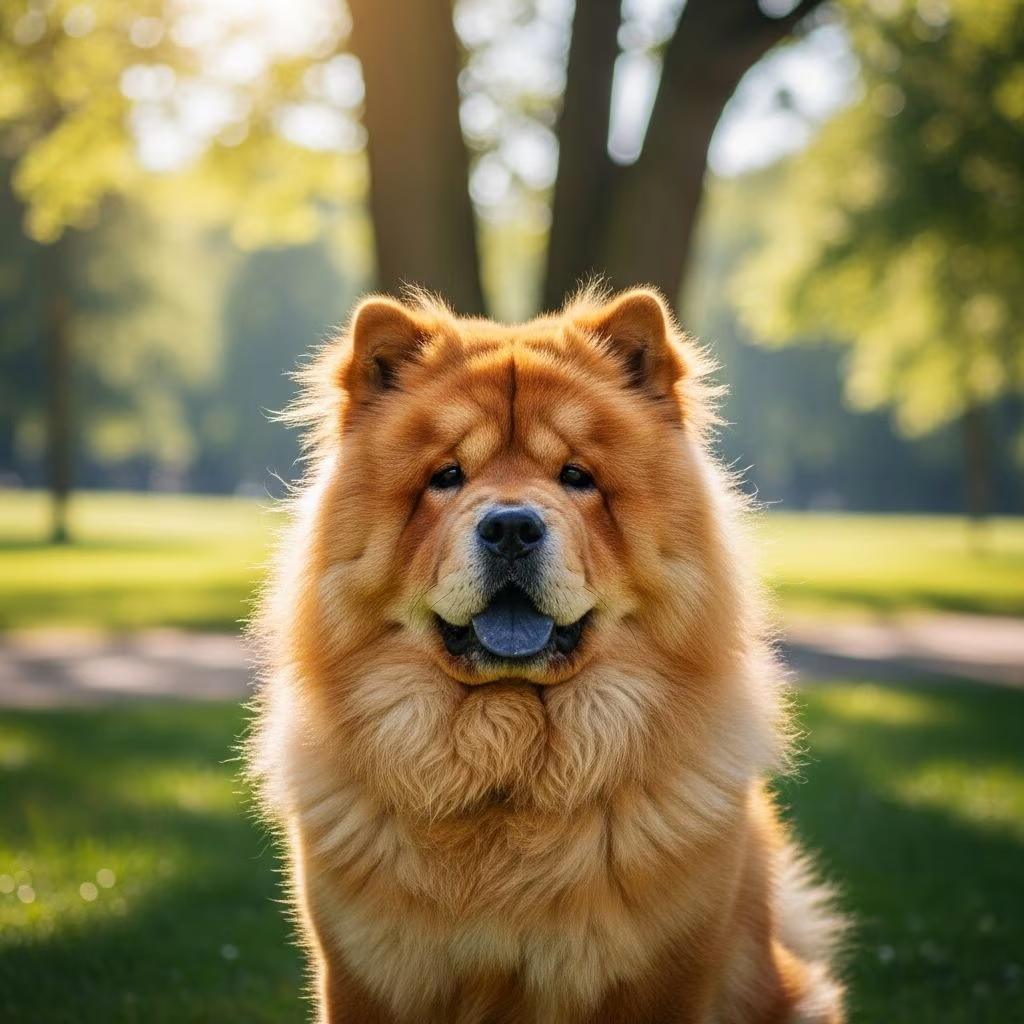
The Chow Chow is a distinctive and dignified dog breed originating from Northern China, representing one of the oldest dog breeds in existence. This medium-sized, sturdily built dog is instantly recognizable by its lion-like mane, profuse double coat, and the unique blue-black tongue that sets it apart from virtually all other dog breeds. Often described as possessing the nobility of a lion, the drollness of a panda, and the independence of a cat, the Chow Chow carries an air of quiet confidence and aloofness that has captivated dog enthusiasts for centuries. Once gracing the kennels of Chinese royalty, this breed maintains an imperial bearing that manifests in its reserved demeanor and dignified composure. While their appearance might suggest a mean-spirited nature, a well-bred and properly raised Chow Chow is far from aggressive, instead offering steadfast loyalty and quiet companionship to those who understand and appreciate their unique personality.
Physical Characteristics and Appearance
The Chow Chow presents a striking physical profile that immediately captures attention. Standing 17 to 22 inches tall at the shoulder and weighing between 45 to 75 pounds, this breed showcases a square, sturdy build that conveys strength and stability. The dog’s sturdily constructed frame with post-like, nearly straight hind legs contributes to their distinctive stilted gait, which may appear somewhat choppy or stiff compared to other breeds.
Distinctive Features
One of the most memorable and unique characteristics of the Chow Chow is its remarkable blue-black or purple tongue. According to ancient Chinese legend, this distinctive coloration originated when a Chow licked up drops of color during the creation of the world. This trait is so rare that the Shar-Pei is the only other dog breed to possess a similarly colored tongue. Additionally, the Chow Chow is the only dog breed with this distinctive bluish color in its lips and oral cavity, with other dogs typically displaying black or piebald patterns in their mouths.
The breed’s facial structure includes deep-set, almond-shaped eyes that contribute to a somewhat scowling, snobbish expression, further enhanced by facial wrinkles often obscured by abundant hair. Small, triangular ears with rounded tips stand erect atop a broad skull. Another iconic feature is the tightly curled tail, thick with hair and resting on the back, which gives the breed its characteristic silhouette.
Coat Characteristics
The Chow Chow possesses one of the most distinctive coats in the canine world. Their profuse, dense double coat can be either smooth or rough, though both varieties are exceptionally thick and require dedicated grooming. The fur is particularly dense around the neck area, creating a distinctive ruff or mane appearance reminiscent of a lion. The coat comes in several color variations including red, black, blue, cinnamon or fawn, and cream. According to American Kennel Club standards, the nose should ideally be black, though blue-coated Chow Chows may have a solid blue or slate-colored nose.
Temperament and Personality
Understanding the Chow Chow’s temperament is essential for potential owners, as this breed possesses a personality quite distinct from many other dog breeds. The Chow Chow personality is frequently described as cat-like, exhibiting traits of aloofness, independence, and strong-willed determination. These dogs don’t feel an inherent need to constantly seek human attention and will provide affection entirely on their own terms.
Independence and Loyalty
Chow Chows are extremely loyal dogs that form strong bonds with their household family members, though they typically select one person to be their special companion or “their person.” While not openly demonstrative with physical affection, they remain deeply devoted to those they trust. In private settings with their families, these dogs reveal a playful and comedic side, often enjoying sitting on their owners’ feet and displaying genuine warmth and attachment.
Social Behavior and Socialization
The breed tends to be reserved and wary of strangers, maintaining a cautious demeanor around unfamiliar people. Early and continued socialization is crucial in raising a friendlier, more well-adjusted dog. Puppies exposed to positive interactions with various people, children, and environments during their formative weeks are more likely to remain calm around new individuals. However, even with proper socialization, Chow Chows maintain their natural protective instincts and territorial nature, making them excellent watchdogs that will alert their owners to perceived threats without excessive barking.
Interaction with Other Dogs
Chow Chows tend to be aloof toward other dogs and may not be pleasant in their presence, potentially displaying aggression if not properly trained and socialized. They are generally good with other household pets, including cats, particularly when raised together from an early age. However, introducing adult Chow Chows to unfamiliar dogs requires careful consideration and management.
Breed Characteristics Quick Reference
| Characteristic | Details |
|---|---|
| Origin | Northern China |
| Size | Medium (17-22 inches tall, 45-75 pounds) |
| Breed Group | Working/Spitz-type |
| Lifespan | 10-15 years |
| Coat Type | Dense double coat (smooth or rough) |
| Coat Colors | Red, black, blue, cinnamon, cream |
| Temperament | Independent, loyal, dignified, reserved |
| Exercise Needs | Moderate |
| Grooming Requirements | Extensive (regular brushing) |
Training and Behavior Management
Training a Chow Chow presents unique challenges due to their independent and stubborn nature. These dogs are fairly intelligent but possess both a strong will and considerable determination to do things their own way. They respond best to training approaches that employ firmness, patience, and creativity from experienced trainers.
Training Approach
For optimal results with Chow Chow training, consistency and positive reinforcement work better than harsh corrections. These dogs do best when their position and role within the family hierarchy are clearly defined through training, as they can otherwise become dominant. They are not ideally suited for first-time dog owners, as their independent nature and potential territorial aggression require an experienced hand.
Control of Protective Tendencies
Due to their history as guard dogs for homes and livestock, Chow Chows are naturally fiercely protective of their families. Proper training is essential to control this guarding tendency and prevent overly aggressive responses to normal household situations. Early socialization combined with consistent training helps channel their protective instincts appropriately.
Barking and Alarm Behavior
Chow Chows may become nuisance barkers if their alarm barking is not properly controlled. While they are excellent watchdogs that alert their owners to threats, preventing excessive barking requires consistent training and clear boundaries. Unlike many other breeds, however, Chow Chows do not bark excessively as a general rule.
Grooming and Coat Care
The Chow Chow’s magnificent coat demands significant grooming commitment from owners. Their thick, double coat requires consistent care to maintain health and prevent matting and tangling. Grooming is not merely cosmetic but essential for the dog’s comfort, skin health, and overall well-being.
Grooming Requirements
Chow Chows should be brushed at least once weekly during regular seasons and more frequently during periods of heavy shedding, which typically occur twice yearly. These dogs shed considerably, and regular brushing helps manage loose hair and prevents matting. Bathing should be performed regularly depending on the individual dog’s activity level and coat condition, generally every 4 to 6 weeks.
Seasonal Shedding
During shedding season, owners should expect significant hair loss and should increase brushing frequency to 3 to 4 times weekly. Using appropriate grooming tools such as slicker brushes, undercoat rakes, and deshedding tools can help manage the substantial volume of shed hair and maintain coat quality.
Health Considerations
Like all dog breeds, Chow Chows are predisposed to certain health conditions that potential owners should understand. Regular veterinary care, proper nutrition, appropriate exercise, and responsible breeding practices all contribute to maintaining optimal health in this breed.
Common Health Issues
Hip dysplasia and elbow dysplasia represent significant orthopedic concerns in the breed, particularly in dogs with poor breeding backgrounds. Eye problems, including progressive retinal atrophy and entropion, are also documented health concerns. Responsible breeders screen parent dogs for these conditions before breeding.
Preventive Care
Regular veterinary check-ups, appropriate nutrition, and maintaining a healthy weight all help prevent or manage health issues. The breed’s 10 to 15-year lifespan is typical for medium-sized dogs, though individual variation exists based on genetics and care quality.
Exercise and Activity Needs
Despite their sturdy appearance, Chow Chows are not particularly high-energy dogs. They have moderate exercise requirements and are not exceptionally athletic or speedy. However, they possess excellent endurance and make good walking companions for regular daily exercise.
These dogs do not require extensive vigorous exercise but benefit from consistent, moderate daily activity. A daily walk provides adequate physical stimulation for most Chow Chows. Their independent nature means they don’t necessarily crave playtime or social interaction like more gregarious breeds, though individual personality variation exists.
Suitability as Family Pets
For families considering a Chow Chow, several factors should be carefully considered. This breed does best with older children who understand how to treat dogs respectfully and who appreciate the dog’s need for personal space. Young children may not be ideal companions for a Chow Chow, as the breed may not tolerate excessive handling, hugging, or physical interaction on terms other than their own.
Families wanting a low-key, confident companion with strong protective instincts may find the Chow Chow an excellent choice, provided they can accept its independent and sometimes impersonal nature. First-time dog owners should carefully evaluate whether they possess the training experience, grooming commitment, and personality compatibility necessary for this unique breed.
Watchdog and Protection Abilities
The Chow Chow serves as an excellent watchdog and even a fairly good protection dog. Their natural territorial nature, combined with their loyalty and protective instincts toward family members, makes them effective guardians of home and property. They alert their owners to perceived threats without resorting to excessive barking, making them more manageable than some other guard-oriented breeds.
Frequently Asked Questions
Q: Are Chow Chows good with children?
A: Chow Chows can be good with children, but they do best with older children who understand how to treat dogs respectfully and appreciate their need for personal space. Early socialization with children is important, and young children may not be ideal companions for this independent breed.
Q: How much grooming do Chow Chows require?
A: Chow Chows require extensive grooming, including brushing at least once weekly and more frequently during shedding season. Their thick double coat demands consistent care to prevent matting and maintain coat health.
Q: Are Chow Chows aggressive?
A: A well-bred, well-raised Chow Chow is not inherently aggressive. However, they are naturally protective and territorial, making early socialization and proper training essential to prevent aggressive tendencies toward unfamiliar people or dogs.
Q: How long do Chow Chows live?
A: Chow Chows typically live 10 to 15 years, with lifespan varying based on genetics, health care quality, and individual factors.
Q: Do Chow Chows do well alone?
A: Yes, Chow Chows are relatively independent dogs that tolerate being alone better than many other breeds. Their cat-like personality means they don’t require constant human companionship and often enjoy their own company.
Q: What makes the Chow Chow’s tongue unique?
A: The Chow Chow’s distinctive blue-black or purple tongue is one of its most remarkable characteristics. This coloration is so rare that only the Shar-Pei shares this trait, making it a defining breed feature.
References
- Chow Chow Dog Breed Information & Characteristics — DogTime. https://dogtime.com/dog-breeds/chow-chow
- Chow Chow Dog Breed: Health, Care, and Training — PetMD. https://www.petmd.com/dog/breeds/chow-chow
- Chow Chow Dog Breed — Hill’s Pet Nutrition. https://www.hillspet.com/dog-care/dog-breeds/chow-chow
- Chow Chow Dog Breed, Description, Temperament, & Facts — Britannica. https://www.britannica.com/animal/chow-chow
- Chow Chow Dog Breed Information — American Kennel Club. https://www.akc.org/dog-breeds/chow-chow/
- Chow Chows: Grooming, Lifespan, and Those Tongues — ASPCA Pet Insurance. https://www.aspcapetinsurance.com/resources/chow-chow/



