

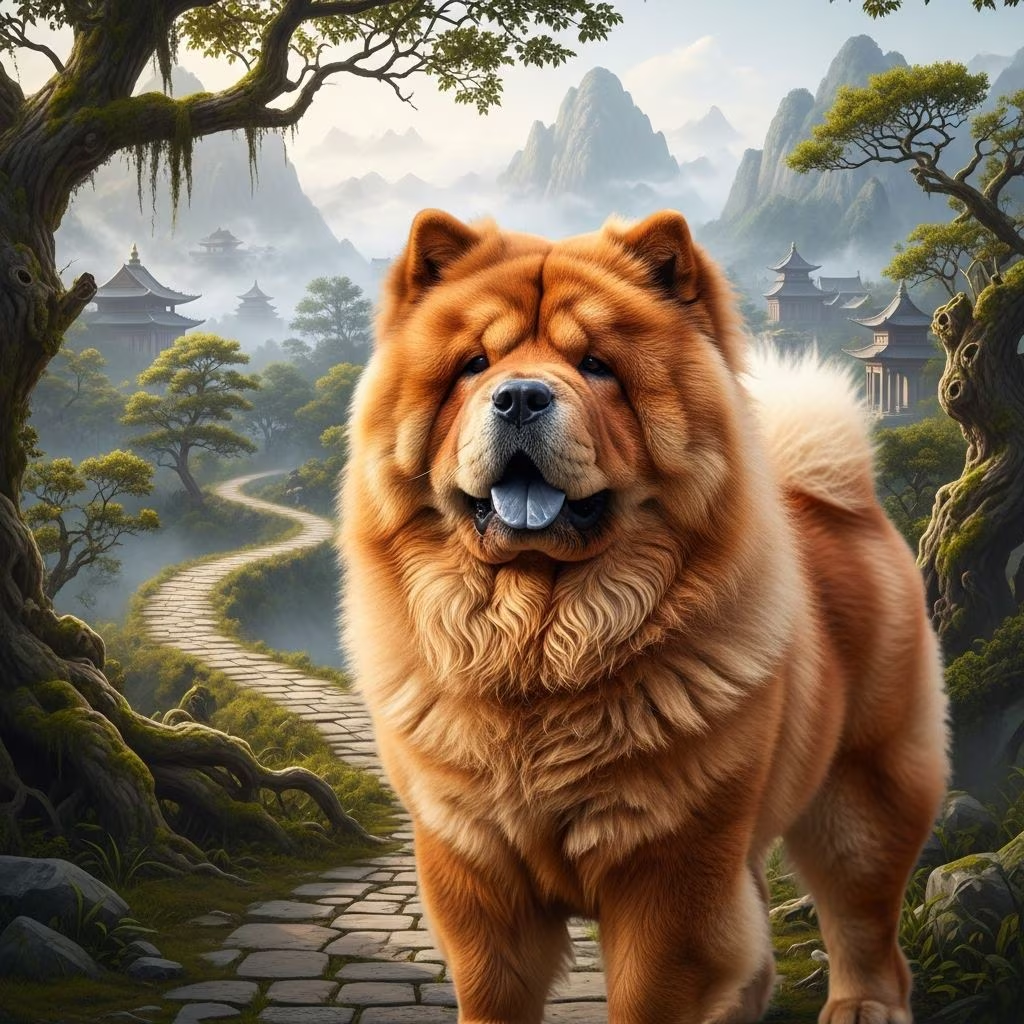
The Chow Chow stands out as one of the most ancient dog breeds, originating from China over 8,000 years ago. Renowned for its distinctive blue-black tongue, lion-like mane, and sturdy build, this breed combines historical significance with a unique appearance and temperament.
Origins and Historical Journey
Genetic studies trace the Chow Chow’s roots to Chinese indigenous dogs around 8,300 years ago, marking it as one of the earliest breeds post-domestication. This timeline positions it among East Asia’s basal dog lineages, with low gene flow from other populations indicating rapid breed formation. Artifacts from the Han Dynasty (206 BCE–220 CE) depict dogs matching the Chow Chow’s square body, erect ears, and curled tail, confirming its presence in ancient Chinese society.
Historically versatile, Chow Chows served as war dogs, hunters targeting wolves and leopards, herders, sled pullers, and guardians. Emperors during the Tang Dynasty maintained vast kennels of these dogs, treating them as palace protectors with luxurious care. In Tibetan monasteries, selective breeding produced rare blue-coated variants for protection and herding duties. Their dense fur provided warmth in northern climates, leading some to speculate high-latitude origins, though evidence points firmly to China.
By the 19th century, Chow Chows reached Europe via trade ships, initially called “wild dogs of China” and displayed in zoos. The first arrivals in England around 1820 sparked breeding efforts, with formal recognition by the American Kennel Club in 1903.
Distinctive Physical Characteristics
Chow Chows possess a compact, muscular frame with a large head, short muzzle, and deep-set eyes that convey an alert expression. Their straight hind legs contribute to a stiff-legged gait, while a profuse double coat—either rough or smooth—forms a ruff around the neck resembling a mane. Coat colors include black, red, blue-gray, cinnamon, and cream.
- Blue-Black Tongue: A hallmark trait, present from puppyhood, linked to few specific genes rather than broad genetic shifts.
- Dense Fur: Thick undercoat and coarser outer layer offer insulation; requires regular grooming.
- Build and Size: Males stand 19-22 inches tall, weigh 55-70 lbs; females slightly smaller. Sturdy with 44 teeth (two extra compared to most dogs).
- Tail and Ears: Curled tightly over the back; small, erect ears.
| Feature | Description | Notable Trait |
|---|---|---|
| Coat Type | Rough or Smooth Double Coat | Mane-like ruff around neck |
| Tongue Color | Blue-Black | Unique pigmentation |
| Leg Stance | Straight, Stiff | Distinctive walk |
| Height/Weight | 19-22 inches / 50-70 lbs | Compact and powerful |
Temperament and Personality
Chow Chows exhibit an aloof, dignified demeanor, often described as cat-like in independence. Fiercely loyal to family, they are naturally protective and wary of strangers, making excellent watchdogs without excessive barking. Early socialization is crucial to prevent over-guarding tendencies.
They bond deeply with owners but may not seek affection from all household members. Intelligent yet stubborn, they respond best to consistent, firm training starting young. Not ideal for novice owners, as their strong-willed nature demands experienced handling.
- Protective Instinct: Natural guardians, alert to threats.
- Independence: Prefers to observe rather than engage playfully.
- Family Fit: Good with children if raised together; supervise interactions due to size.
- Other Pets: Can coexist with proper introductions; may view unfamiliar dogs as intruders.
Health and Wellness Considerations
With a lifespan of 8-12 years, Chow Chows are generally hardy but prone to breed-specific issues. Genetic selection for muscle development and metabolism explains some vulnerabilities.
- Joint Problems: Hip dysplasia, elbow issues from sturdy build.
- Eye Conditions: Entropion, where eyelids roll inward.
- Skin Allergies: Dense coat traps moisture; monitor for infections.
- Hypothyroidism: Affects metabolism; regular vet checks advised.
- Bloat Risk: Deep chest; feed smaller meals.
Annual screenings, balanced diet, and weight management promote longevity. Positive selection in heart and muscle genes from sporting history aids resilience.
Grooming and Daily Care
The Chow Chow’s luxurious coat demands commitment. Brush 2-3 times weekly to prevent matting, daily during shedding seasons. Bath sparingly to preserve natural oils; focus on paw and tail hygiene.
Nail trims every 4-6 weeks, ear cleaning weekly, and dental care daily. Their shedding is profuse—prepare for “Chow Chow snow.” Smooth-coated varieties need less brushing but same attention to undercoat.
Nutrition and Exercise Needs
High-quality protein-rich food supports their muscular frame; portion control prevents obesity. Feed twice daily to avoid bloat. Fresh water always available.
Moderate exercise suffices: 30-45 minute walks daily, plus play sessions. Avoid overheating due to coat; prefer cooler times. Mental stimulation via puzzle toys suits their thoughtful nature.
Training Essentials for Success
Begin obedience training early with positive reinforcement. Short, firm sessions build respect without force. Socialize extensively to temper aloofness. Chow Chows excel in obedience, agility, and conformation with patient handlers.
- Commands: Focus on recall, “leave it,” and boundary training.
- Challenges: Stubbornness; use high-value rewards.
- Advanced: Suitable for canine sports with conditioning.
Chow Chow in Modern Life
Today, Chow Chows thrive as companions for active, experienced owners valuing loyalty over exuberance. Their regal presence suits apartments if exercised, though yards are ideal. Famous owners highlight their appeal, but they remain uncommon due to care demands.
Genetic closeness to wolves underscores primitive traits, yet domestication refined them into devoted pets.
Frequently Asked Questions (FAQs)
Why do Chow Chows have blue tongues?
The blue-black tongue is a genetic trait unique to the breed, possibly linked to few specific genes, present in all purebreds.
Are Chow Chows good family dogs?
Yes, with proper socialization; loyal to family but reserved with strangers and need supervision around young kids.
How much grooming do they need?
Regular brushing 2-3 times weekly, more during sheds; minimal bathing.
What’s the average lifespan?
8-12 years with good care; prone to joint and eye issues.
Can Chow Chows live in apartments?
Yes, if exercised daily; not overly vocal but need space to move.
References
- The ancient origins of the Chow Chow — BMC Series Blog. 2017-03-10. https://blogs.biomedcentral.com/bmcseriesblog/2017/03/10/ancient-origins-chow-chow/
- Chow Chow | Dog Breed, Description, Temperament, & Facts — Britannica. N/A. https://www.britannica.com/animal/chow-chow
- The origin of chow chows in the light of the East Asian breeds — PMC (NCBI). 2017. https://pmc.ncbi.nlm.nih.gov/articles/PMC5312535/
- Chow Chow History — Canine Chronicle. N/A. https://caninechronicle.com/current-articles/chow-chow-history/
- HISTORY OF THE CHOW OVERVIEW — ChowTales. N/A. https://chowtales.com/chow-history-overview/
- Dog Breed Profile: Chow Chow — My Woof. N/A. https://mywoof.com/blogs/articles/dog-breed-profile-chow-chow



