

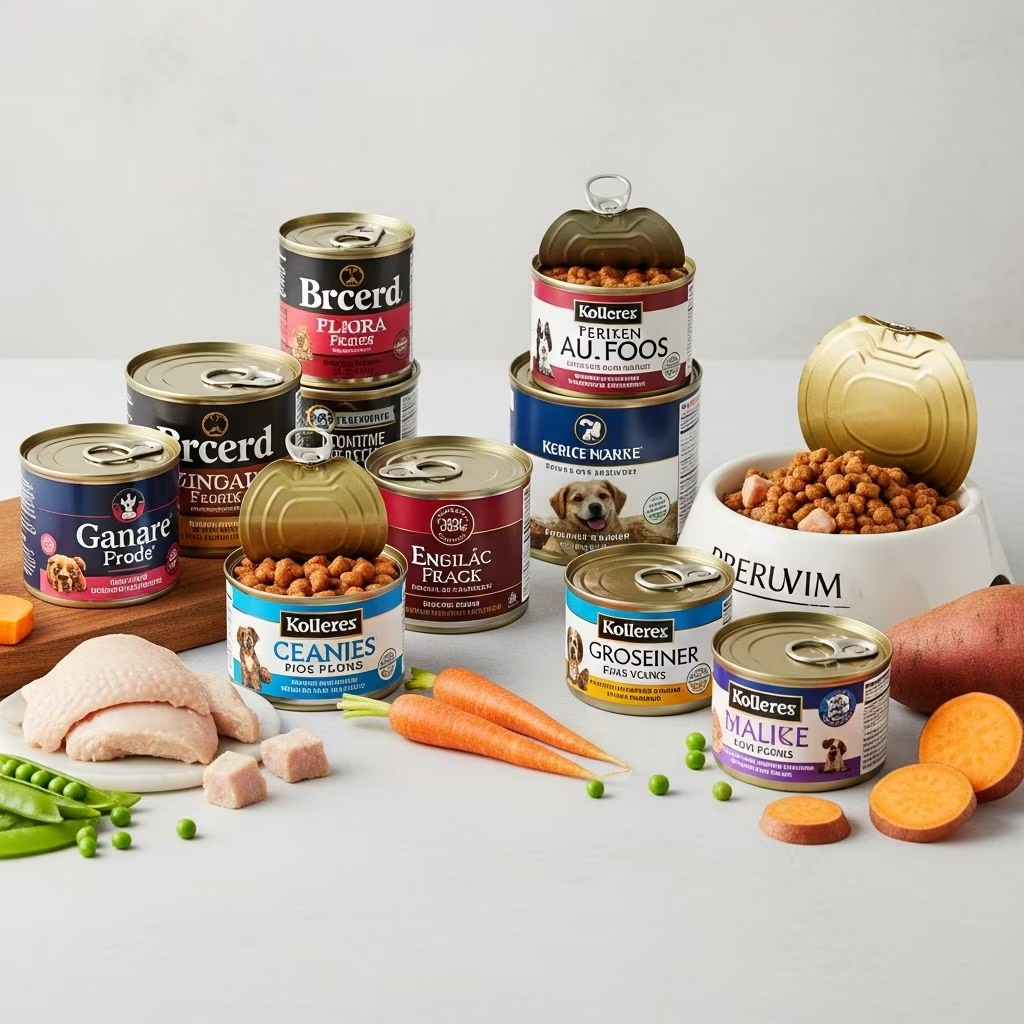
Canned dog food offers a nutrient-dense, hydrating option for pets, featuring high moisture content that supports digestion and appeals to picky eaters. Selecting the right product involves scrutinizing ingredients, nutritional profiles, and suitability for your dog’s specific requirements.
Benefits of Canned Dog Food in a Balanced Diet
Canned varieties stand out due to their **high water content**, typically 75-85%, which promotes better hydration—crucial for dogs prone to urinary issues or kidney conditions. This moisture also lowers energy density, allowing larger portions without excess calories, ideal for weight management.
Palatability is another strength; the aromatic textures like pâté, chunks in gravy, or stews entice even finicky or senior dogs. Warming gently enhances appeal further. Nutritionally, premium options deliver elevated protein and fat levels from meats, outperforming many dry formulas in bioavailability.
- Hydration boost: Encourages fluid intake for overall wellness.
- Enhanced appeal: Varied consistencies suit different preferences.
- Nutrient density: Shelf-stable meats preserve quality longer unopened.
Decoding Ingredient Lists for Quality
The ingredient panel is your primary tool for evaluation. Prioritize formulas where **named animal proteins**—such as beef, chicken, or fish—dominate the top two spots, following water or broth if present. These provide superior amino acid profiles tailored to canine biology over plant-based alternatives like peas or grains.
Opt for “whole” sources over vague terms like “meat” or “by-products,” which may include lower-grade scraps. Plant additions should appear sparingly, ideally beyond the fifth position, and in whole forms like brown rice rather than flours or fractions that lose nutrients during processing.
| Preferred Ingredients | Avoid |
|---|---|
| Chicken, beef liver, salmon | Meat by-products, poultry fat |
| Whole vegetables, organic carbs | Rice flour, corn gluten |
| Named fats (chicken fat) | Animal fat, artificial colors |
Reject products with artificial preservatives, colors, or flavors—unnecessary in canned formats. Higher pricing often correlates with ethical sourcing like grass-fed meats or wild-caught fish.
Understanding Guaranteed Analysis and Nutritional Needs
Examine the **guaranteed analysis** for protein, fat, fiber, and moisture percentages. Canned foods often exceed 8-10% protein and 5-8% fat on an as-fed basis, suiting active dogs but requiring caution for overweight or pancreatitis-prone pets.
Match to life stage: puppies need growth-supporting formulas, adults maintenance levels, and seniors lower calories with joint support. AAFCO statements confirm completeness and balance for specific stages, ensuring all required nutrients in proper ratios.
- All life stages: Versatile for multi-dog homes.
- Adult maintenance: Standard for healthy pets.
- Light/low-calorie: For weight control.
Tailoring Choices to Your Dog’s Profile
Consider allergies, intolerances, and activity. Track responses to prior foods to avoid triggers. High-fat cans suit working breeds; lower-fat for sedate ones. For dental health, pair with dry kibble.
Portion via feeding guides: roughly ¾ can per 15 lbs body weight daily for adults, adjusted for calories. Monitor stool quality, energy, coat shine, and weight post-switch—gradual transitions prevent upset.
Storage, Handling, and Cost Considerations
Unopened cans store years at room temp; refrigerate leftovers up to three days, discarding uneaten portions after 30 minutes to avoid spoilage. Cost per calorie exceeds kibble due to packaging and moisture, but quality justifies investment.
Buy smaller quantities to minimize waste; mix with kibble for economy and dental benefits.
Common Pitfalls in Canned Food Selection
Steer clear of grocery-store brands heavy on fillers; few meet basic meat-forward standards. Overlook not AAFCO compliance risks deficiencies. Ignoring fat content can lead to obesity or digestive woes.
FAQs on Canned Dog Food
Is canned food better than dry?
It excels in hydration and palatability but costs more; best as topper or for specific needs.
How much canned food per day?
Follow labels: about ¾ can per 15 lbs, calibrated to calorie needs.
Can puppies eat canned food?
Yes, if labeled for growth; ensures balanced development.
Does it help with hydration?
Absolutely, high moisture aids urinary and kidney health.
What’s the best texture for picky dogs?
Chunks in gravy or stews often win over pâté.
Integrating Canned Food for Long-Term Health
Combine with dry or fresh for variety, optimizing protein from cans and carbs from kibble. Regular vet check-ins refine choices based on bloodwork and condition. Premium canned supports vitality, from sleek coats to steady energy.
Empower your decisions with label literacy; your dog’s thriving coat, firm stools, and eager mealtimes signal success.
References
- Selecting the Right Pet Food — AAFCO. 2023. https://www.aafco.org/consumers/understanding-pet-food/selecting-the-right-pet-food/
- Dry, Canned, or Semi-Moist: Food Choices for Dogs — VCA Animal Hospitals. 2024-01-15. https://vcahospitals.com/know-your-pet/dry-canned-or-semimoist-food-choices-for-dogs
- How to Choose the Best Canned Dog Food for your Dog — Whole Dog Journal. 2022-10-20. https://www.whole-dog-journal.com/food/how-to-choose-the-best-canned-dog-food-for-your-dog/
- Does My Dog Need Wet Food — Nature’s Logic. 2023-05-12. https://natureslogic.com/blog/does-my-dog-need-wet-food/
- Dry vs. Wet Dog Food, or Both? — PetMD. 2024-03-10. https://www.petmd.com/dog/nutrition/dry-dog-food-vs-wet-dog-food-which-better



