

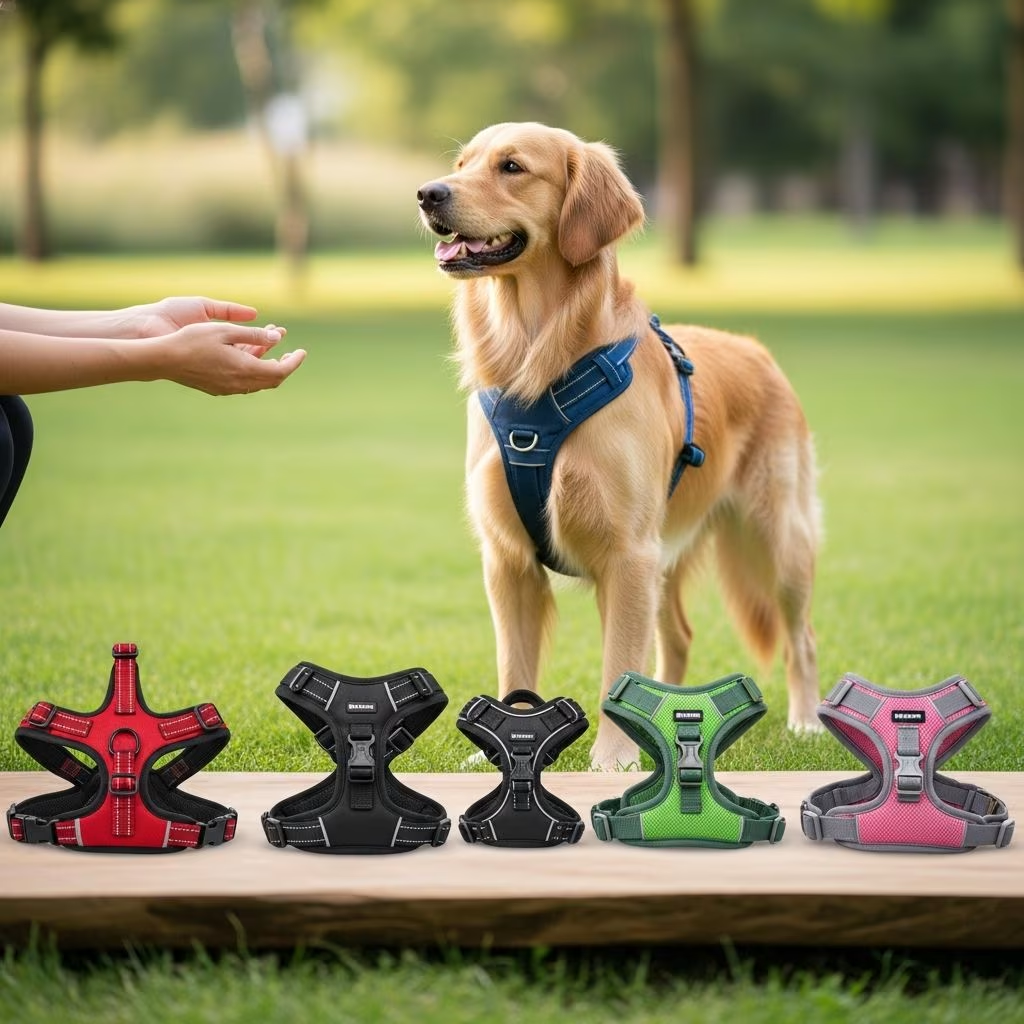
Choosing the Right Dog Harness for Your Pet
A dog harness is one of the most important pieces of equipment you’ll invest in as a pet owner. Unlike collars, which can put pressure on your dog’s neck and throat, harnesses distribute the force of pulling across a larger area of your dog’s body, providing better control and comfort during walks. Whether you have a small lapdog or a large breed that loves to pull, finding the right harness is essential for both your safety and your dog’s wellbeing. This comprehensive guide will help you navigate the many options available and choose a harness that works best for your dog’s unique needs.
Understanding Different Dog Harness Types
The market offers numerous harness styles, each designed for specific purposes and dog body types. Understanding the differences between these options will help you make an informed decision.
Back-Clip Harnesses
Back-clip harnesses feature a leash attachment point on the dog’s back, typically just behind the shoulders. This is one of the most basic and widely available harness types. Back-clip harnesses are ideal for dogs who already walk nicely on leash and don’t have significant pulling issues. They’re comfortable for casual walks and everyday use, making them a popular choice for pet owners seeking simplicity and ease of use. However, back-clip harnesses may not be the best option if your dog is an enthusiastic puller, as many dogs find pulling against back pressure rewarding, similar to how sled dogs pull loads.
Front-Clip Harnesses
Front-clip harnesses feature a leash attachment on the front of the chest, near the dog’s breastbone. This design is specifically engineered to help redirect a dog’s movement when they pull, giving you significantly more control during walks. Trainers often prefer front-clip harnesses for teaching dogs proper leash walking etiquette. The front-clip design gently redirects your dog’s movement toward you when they attempt to pull, discouraging the behavior without causing discomfort. One consideration with front-clip harnesses is that if you don’t carry the leash high enough, it can become tangled in your dog’s legs during walks, particularly in dogs with short legs like Corgis.
Dual-Clip Harnesses
Dual-clip harnesses offer both front and back attachment points, providing maximum versatility for different walking and training needs. This design allows you to use the front clip during training sessions when you need extra control, and switch to the back clip for casual everyday walks once your dog’s behavior improves. Dual-clip harnesses tend to be more expensive than single-clip options and may experience some excess rubbing due to the webbed design, but the flexibility they offer makes them an excellent investment for many dog owners.
Vest-Style Harnesses
Vest-style harnesses provide more extensive coverage, typically wrapping around your dog’s entire torso for added support and comfort. These harnesses are often padded with soft, gentle material, making them an excellent option for dogs with sensitive skin or those requiring extra support. Vest-style harnesses distribute pressure evenly across the chest and back rather than concentrating it in one area, which is particularly beneficial for older dogs or those with respiratory issues. The increased coverage and padding make them ideal for long walks and extended outdoor activities.
Specialty Harnesses
Beyond the basic types, specialty harnesses serve specific purposes. Head halters provide control similar to horse halters and are useful for dogs requiring significant behavioral intervention. Sled dog harnesses feature X-back designs ideal for pulling sports and are commonly used by Huskies, Alaskan Malamutes, and similar breeds. No-pull harnesses combine front-clip technology with additional features to discourage pulling behavior specifically. Utility harnesses include handles to help owners lift and carry their dogs and are designed to protect the back during transport.
Harness Styles: Strap vs. Vest vs. Mesh
Beyond the attachment point, harnesses come in different material styles that affect comfort, durability, and breathability.
Strap Harnesses
Strap-style harnesses use nylon webbing and are typically the lightest option available. They’re easy to pack for travel and work well in warm weather. Strap harnesses are ideal for dogs who don’t mind minimal material contact and provide excellent visibility of your dog’s chest and body.
Vest Harnesses
Vest harnesses offer more coverage and often feature padding for enhanced comfort. They distribute pressure more evenly and are particularly suitable for dogs with sensitive skin or those prone to chafing. The thicker material provides better protection during active play and rough terrain.
Mesh Harnesses
Mesh harnesses balance the lightweight feel of straps with increased breathability and some padding. They’re excellent for dogs who are active in warm weather, as the mesh allows air circulation while still providing comfort and support.
Fitting Your Dog’s Harness Properly
Choosing the right type of harness is only half the battle; proper fitting is equally important for safety and comfort. A poorly fitted harness can cause chafing, discomfort, and may not provide adequate control.
Taking Your Dog’s Measurements
Before purchasing a harness, measure your dog’s girth (chest circumference) and length (from the base of the neck to the base of the tail). Use a soft measuring tape and keep it snug but not tight. Most harness manufacturers provide sizing charts based on these measurements. When in doubt, opt for the larger size, as you can usually adjust most harnesses for a better fit.
The Proper Fit
Once you have a harness on your dog, check that you can fit two fingers comfortably between the harness and your dog’s body. The harness should be snug enough that your dog cannot wiggle out of it, but loose enough to allow natural movement and breathing. The attachment points should sit at the appropriate locations—the back clip should be between the shoulder blades, and the front clip should be on the chest. Adjust all straps for an even fit, ensuring no areas are digging into your dog’s skin or causing discomfort.
Checking for Proper Positioning
Walk your dog around the house or yard while wearing the harness to ensure it stays in place and doesn’t shift or rotate. Watch for any signs of chafing or discomfort, such as your dog trying to scratch at the harness or reluctance to move. Some dogs require a few adjustment periods to become accustomed to wearing a harness, so allow time for your dog to acclimate to the new equipment.
Selecting a Harness by Dog Size and Body Type
Different dog breeds and body types may benefit from specific harness designs.
| Dog Type | Recommended Harness Style | Key Considerations |
|---|---|---|
| Small Breeds (Under 15 lbs) | Strap or Mesh Harness | Lightweight materials, smaller attachment points, avoid front-clip if very short-legged |
| Medium Breeds (15-50 lbs) | Dual-Clip or Front-Clip Harness | Versatile options, good for training and pulling prevention |
| Large Breeds (50-100 lbs) | Vest-Style or Heavy-Duty Harness | Enhanced support, even pressure distribution, durable materials |
| Giant Breeds (Over 100 lbs) | Utility or Heavy-Duty Harness | Maximum support, handle for assistance, reinforced construction |
| Dogs with Narrow Chests | H-Harness or Y-Harness | Better fit for breeds like Greyhounds and Whippets |
| Senior or Arthritic Dogs | Vest-Style Harness with Support | Padded materials, even pressure distribution, ease of use |
Special Considerations for Your Dog
Every dog is unique, and several factors should influence your harness choice beyond size.
Age and Activity Level
Puppies may require adjustable harnesses that grow with them, while senior dogs benefit from vest-style harnesses that distribute pressure evenly and reduce strain on aging joints. Highly active dogs need durable harnesses made from quality materials that can withstand frequent use and outdoor conditions.
Health Conditions
Dogs with respiratory issues, heart conditions, or neck problems particularly benefit from harnesses that distribute pressure away from these sensitive areas. Consult your veterinarian if your dog has any health concerns to determine the best harness type for their specific condition.
Behavioral Issues
If your dog pulls excessively, a front-clip or no-pull harness is essential for safe walks. If your dog is anxious or reactive, certain harness types with handles can give you better control and stability in challenging situations.
Coat Type and Sensitivity
Dogs with thick coats may find mesh or breathable harnesses more comfortable during warm weather. Dogs with sensitive skin benefit from padded, soft materials that minimize chafing and irritation.
Harness Safety and Maintenance
Investing in the right harness is just the beginning. Proper maintenance and usage ensure longevity and continued safety.
Regular Inspection
Check your harness regularly for signs of wear, damage, or fraying. Replace any harness showing significant wear, as damaged harnesses may fail when you need them most. Inspect attachment points to ensure leashes are securely fastened.
Cleaning and Care
Most harnesses can be gently hand-washed with mild soap and water. Follow the manufacturer’s care instructions to prevent damage to materials and attachment points. Allow harnesses to air dry completely before using them again, and avoid high heat which can damage synthetic materials.
Proper Leash Selection
Match your leash to your harness type, particularly with dual-clip harnesses that may require specific leash designs. A properly fitted leash works in conjunction with your harness to provide optimal control and safety.
Frequently Asked Questions About Dog Harnesses
Q: At what age can I start using a harness on my puppy?
A: You can introduce a harness to your puppy as early as 8 weeks old. Start with a lightweight, adjustable harness and allow your puppy time to acclimate to wearing it indoors before venturing outside.
Q: Is a harness better than a collar?
A: For most dogs, harnesses are preferable to collars, particularly for dogs that pull or have sensitive necks. Harnesses distribute pressure across a larger area of the body and provide better control. Collars are suitable for well-trained dogs who don’t pull and who are primarily used for ID tag purposes.
Q: How do I know if my dog’s harness is too tight?
A: A harness that is too tight will restrict your dog’s movement, cause discomfort, and potentially harm circulation. If you cannot fit two fingers under the harness straps, or if your dog shows signs of discomfort like panting excessively or reluctance to move, the harness is too tight. Loosen the straps and retest.
Q: Can I leave a harness on my dog all day?
A: While harnesses are generally safe for extended wear, it’s best to remove them when your dog is resting at home. Leaving a harness on for extended periods can cause chafing and irritation, particularly in areas where straps repeatedly contact the skin.
Q: What’s the difference between a harness and a head halter?
A: Harnesses distribute pressure across the chest and body, while head halters work similarly to horse halters and provide control by directing the dog’s head and nose. Head halters give maximum control but may take longer for dogs to acclimate to wearing them.
Q: How often should I replace my dog’s harness?
A: Replace your dog’s harness when it shows significant wear, damage, or if your dog has outgrown it. For puppies, you may need to size up several times as they grow. For adult dogs with normal use, a quality harness can last 2-3 years or longer.
Making Your Final Selection
Choosing the right dog harness requires considering your dog’s size, age, activity level, behavior, and any special health considerations. Start by identifying which harness type best suits your dog’s needs, then measure carefully to ensure proper fit. Invest in quality materials from reputable manufacturers, and don’t hesitate to try different options if your first choice doesn’t work perfectly for your dog. Every dog is unique, and finding the ideal harness may take some experimentation. With the right harness, you’ll enjoy safer, more comfortable walks with your beloved companion.
References
- Types of Dog Harnesses and How to Pick the Perfect One — PAGERIE. Retrieved from https://www.pagerie.com/blogs/news/types-of-dog-harnesses
- How to Choose a Harness for Your Dog — Hurtta. Retrieved from https://hurtta.com/en/blogs/guides/how-to-choose-a-harness-for-your-dog
- The 8 Different Types Of Dog Harnesses For Every Activity — Neewa USA. Retrieved from https://www.neewadogs.com/blogs/blog/types-of-dog-harnesses
- Types of Dog Harnesses — EzyDog. Retrieved from https://store.ezydog.com/blogs/news/types-of-dog-harnesses
- Types of Dog Harnesses & How to Choose One — Zoetis Petcare. Retrieved from https://www.zoetispetcare.com/blog/article/types-dog-harnesses
- Choosing the Right Dog Harness for Your Dog — American Kennel Club. Retrieved from https://www.akc.org/expert-advice/lifestyle/choosing-the-right-dog-harness/



