

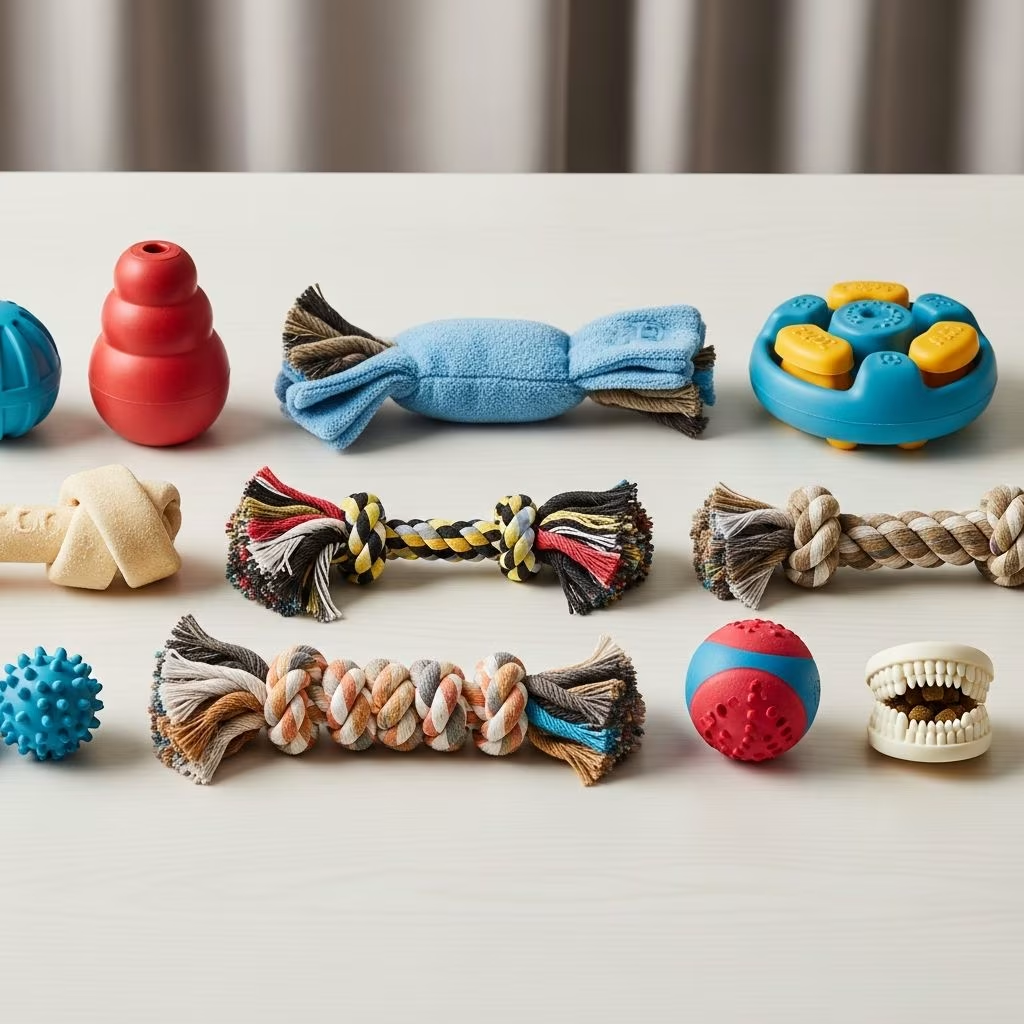
The Definitive Guide to Choosing Safe Dog Toys
Selecting the right toys for your dog goes far beyond picking colorful packages off store shelves. Many pet parents don’t realize that dog toys can pose serious health risks to their furry companions. The FDA doesn’t regulate dog toys, and the Consumer Product Safety Commission only intervenes when toys can be proven to pose a risk to humans rather than dogs. This means responsible pet ownership requires understanding the potential hazards and making informed choices about what your dog plays with.
Understanding Common Dog Toy Hazards
The most prevalent dangers associated with dog toys include choking and gastrointestinal obstruction. When dogs play, they use their mouths extensively, which means pieces and particles can easily be ingested. Beyond physical hazards, toxic materials and chemical coatings present invisible dangers that many pet parents overlook.
Toxic Chemicals and Heavy Metals
A concerning discovery by ConsumerAffairs.com revealed that many mainstream dog toys contained detectable levels of toxic heavy metals, including cadmium, lead, and chromium. These chemicals can be released from affected toys when dogs lick and chew them, potentially causing serious health complications. Research has shown that approximately 45% of tested pet products contained detectable levels of one or more hazardous toxins. While no confirmed cases of lead poisoning in dogs from pet toys have been documented, long-term exposure to excessive amounts of these metals could potentially cause health problems in dogs that frequently chew on contaminated toys.
Chemical Treatments and Dyes
Many dog toys are treated with chemical finishes that pose health risks. Fabric dyes used in toy manufacturing are not tested for consumption, meaning brightly dyed toys may leach harmful substances when wet. Additionally, fire retardants and stain guard treatments often contain formaldehyde and other dangerous chemicals that can be ingested during play. The presence of strong chemical smells on a toy indicates residual chemicals that should raise red flags for conscientious pet parents.
Consider Your Dog’s Toy Preferences
Understanding your individual dog’s behavior and play style is crucial when selecting safe toys. Dogs don’t simply chew toys; they tear and shear them using their premolars and molars, the teeth situated farther back in the mouth. This distinction is important because any toy that reaches these grinding teeth becomes a potential victim of destruction.
Matching Toys to Your Dog’s Size
Always select toys that are appropriately sized for your dog so they cannot work them to the back of their jaws where serious damage can occur. Small dogs require small toys, while large breeds need proportionally larger toys. A toy that’s too small poses an obvious choking hazard, while a toy that’s too large may frustrate your dog and go unused.
Adapting to Destructive Behavior
If your dog is a power chewer who destroys toys quickly, avoid soft, plush, or squeaker toys. Instead, look for extremely durable options designed for aggressive chewers. For senior dogs, puppies, or dogs with dental disease, soft rubber toys are often safer than hard toys, as extremely firm toys may cause dental trauma or fractures. Each dog has unique play preferences and behaviors that should guide your purchasing decisions.
Using Your Human Senses Before Buying
Before bringing any toy home, use your own sensory judgment to assess potential safety concerns. Your nose, eyes, and hands can reveal hidden dangers that manufacturers don’t always disclose.
What to Look For
- Strong chemical smells indicate residual chemicals that could harm your dog
- Brightly dyed fabrics may contain toxic ingredients and leach dye when wet
- Fire retardant treatments may contain formaldehyde and other harmful chemicals
- Stain guard coatings pose similar chemical risks as fire retardants
Researching Manufacturers
Take time to study toy labels and visit manufacturers’ websites for additional information about production processes and materials. Conscientious companies are transparent about their sourcing, manufacturing standards, and quality control measures. Look for brands that have been tested for chemical safety and can provide documentation of their safety protocols. Reading customer reviews and researching recalls can also help you make informed decisions.
Critical Safety Features to Avoid
Certain toy designs and materials should be avoided entirely due to their inherent dangers. Understanding what makes a toy unsafe is just as important as knowing what makes it safe.
High-Risk Toy Designs
- Balls with single air holes can create deadly suction traps that cause suffocation or tongue entrapment
- Sticks and stones present choking hazards and can cause dental damage
- Heavily dyed toys may leach toxic dyes during chewing or when wet
- Toys treated with fire retardants or stain guard expose dogs to harmful chemical treatments
- Soft plastics break apart easily and can be ingested, causing intestinal obstruction
The Fillable Toy Suction Danger
Fillable chew toys like KONGs are popular enrichment tools, but they require careful attention to safety features. These toys should have two holes—one for filling and one to prevent vacuum formation. If a toy lacks the second hole, a dangerous vacuum can form when your dog licks inside for treats, causing their tongue to get stuck. This can result in tongue lacerations, tissue damage, or the toy becoming stuck around your dog’s jaw. Always inspect fillable toys before purchase and ensure they have proper air holes. When filling these toys, use a chopstick or straw through the holes to maintain airflow and remove it before giving the toy to your dog.
Best Practices for Safe Dog Toy Play
Selecting the right toy is only half the battle. How you use and manage toys is equally important for your dog’s safety and wellbeing.
Supervision is Essential
Always supervise your dog during playtime, especially with new toys or toys your dog hasn’t played with before. Supervision allows you to intervene quickly if any problems develop and prevents accidents from escalating into emergencies. Never leave your dog unsupervised with fillable toys, as the risk of tongue entrapment or panic-induced injuries is too high without an adult present to help.
Toy Rotation Strategy
Keep a variety of toy types on hand and rotate them regularly. Rotation helps spark your dog’s interest and prevents boredom while also extending toy lifespan by distributing wear across multiple items. This strategy keeps playtime fresh and exciting for your dog without constantly purchasing new toys.
Toys Are Not Substitutes for Interaction
While toys provide valuable mental stimulation and enrichment, they should never replace human interaction and bonding. Use playtime as an opportunity to engage with your dog, reinforce training, and strengthen your relationship. Interactive play with your dog is more enriching and safe than solo toy play.
Alternatives to High-Risk Toys
If you’re concerned about traditional toys, numerous safer alternatives provide enrichment without the associated risks. Lick mats with ridges designed for smearing soft treats offer engagement without suction dangers. Puzzle toys that require problem-solving engage your dog’s mind while minimizing physical hazards. Tug toys made from natural materials and with secure stitching provide interactive play opportunities. Always ensure any alternative toy meets your safety standards and matches your dog’s size and play style.
Takeaway Tips For Safe Dog Toys
- Avoid balls with single air holes, which create deadly suction traps
- Skip sticks, stones, and heavily dyed toys
- Avoid toys treated with fire retardants or stain guard coatings
- Say no to soft plastics that break apart easily
- Always supervise play, especially with new or fillable toys
- Choose toys sized appropriately for your dog
- Select toys matching your dog’s individual play style and behavior
- Keep a variety of toy types and rotate regularly
- Use toys to supplement, never substitute, human interaction
- Research manufacturers and look for brands with transparent safety practices
Frequently Asked Questions
Q: Why doesn’t the FDA regulate dog toys?
A: The FDA and Consumer Product Safety Commission focus on products that pose risks to human consumers rather than pets. This regulatory gap means pet parents must take personal responsibility for evaluating toy safety.
Q: What should I do if my dog’s tongue gets stuck in a fillable toy?
A: Keep your dog calm with a soothing voice and try to identify where the toy is stuck. Gently slide a chopstick or smooth object along the side of the tongue or through the secondary hole to break the vacuum seal. Warming the toy with a warm towel may help the rubber expand. If your dog is too distressed or this doesn’t work, seek immediate veterinary care.
Q: Are all mainstream dog toys safe?
A: No. Tests have found that approximately 45% of pet toys contain detectable levels of hazardous toxins. While some mainstream brands produce chemical-free toys like the Air Kong Squeaker and certain Nylabone products, you should research each toy individually rather than assuming all commercial toys are safe.
Q: How often should I replace my dog’s toys?
A: Replace toys when they show signs of damage, including cracks, tears, or pieces breaking off. For power chewers, this may be monthly; for gentle players, toys may last longer. Regular inspection ensures your dog always has safe toys available.
Q: What toys are safest for puppies?
A: Puppies benefit from soft rubber toys and durable chew toys appropriate for their developing teeth. Avoid toys with small parts that can be swallowed and anything with toxic dyes or chemical treatments. Always supervise puppy playtime closely.
Q: Can I wash dog toys to remove chemical residue?
A: Regular washing can help reduce surface bacteria and dirt, but it won’t remove embedded chemicals or heavy metals from toys. Focus on selecting toys with minimal chemical treatment from the outset rather than trying to clean away toxins after purchase.
References
- The Definitive Guide to Choosing Safe Dog Toys — Kinship. 2025. https://www.kinship.com/dog-health/choosing-safe-dog-toys
- I’m a Vet and I Would Never Leave My Dog Unsupervised With This Toy — Kinship, Dr. Josephine Corrick, BVMSci, BSc, MRCVS. 2025. https://www.kinship.com/uk/dog-health/fillable-dog-toy-dangers
- Hidden Hazards: A Guide To The Potential Dangers Of Pet Toys — Texas A&M College of Veterinary Medicine. 2025. https://vetmed.tamu.edu/news/pet-talk/pet-toy-dangers/
- Dangerous Dog Toys: Beware of Lead and Toxic Dog Toys — Kinship. 2025. https://www.kinship.com/dog-health/beware-lead-and-toxic-dog-toys



