

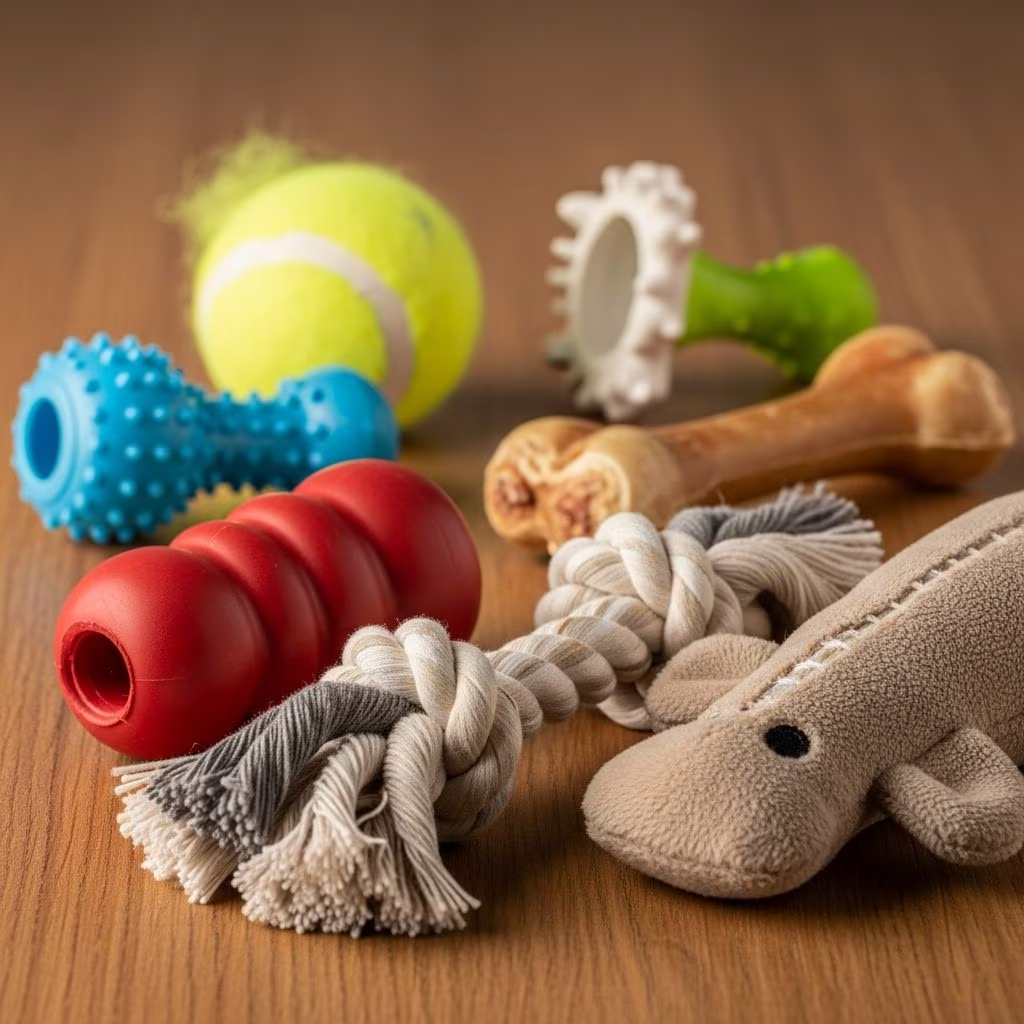
Selecting the right dog toys is crucial for your pet’s health and happiness, as unsafe toys can lead to choking, intestinal obstructions, toxic ingestions, or severe injuries. Without FDA regulation for pet toys and limited oversight from the Consumer Product Safety Commission—which only addresses human risks—pet parents must be vigilant in evaluating materials, durability, and design flaws.
Common Hazards of Unsafe Dog Toys
Dog toys pose significant risks including choking on small pieces, stomach blockages from ingested fragments, and poisoning from toxic materials or coatings since dogs explore with their mouths. Physical hazards from poor construction, such as breakable parts or fraying ropes, can necessitate emergency surgery, while chemical toxins like lead or flame retardants add long-term health threats.
- Choking and Obstruction: Small detachable parts like squeakers, bells, or plastic eyes can be swallowed, leading to life-threatening blockages.
- Toxic Materials: Bright dyes, fire retardants, stain guards, and heavy metals like lead have been detected in up to 45% of tested toys, potentially causing poisoning upon ingestion or licking.
- Suction Traps in Fillable Toys: Off-brand stuffable chews without ventilation holes can create vacuums, trapping tongues and causing lacerations or panic-induced injuries.
- Dental and Jaw Trauma: Hard toys may fracture teeth, especially in puppies, seniors, or dogs with dental issues, while soft toys shred too quickly for aggressive chewers.
Consider Toy Preferences and Your Dog’s Play Style
Dogs don’t simply chew toys; they tear and shear them using back molars like prey, so choose toys sized to prevent them from reaching these grinder teeth. Observe your dog’s habits: aggressive chewers need durable rubber, while light chewers enjoy plush. Powerful chewers destroy squeaky or fabric toys rapidly, increasing ingestion risks.
| Dog Type | Recommended Toys | Avoid |
|---|---|---|
| Light Chewer (e.g., small breeds) | Soft rubber, plush with supervision | Hard nylon bones, small parts |
| Aggressive Chewer (e.g., large breeds) | Thick natural rubber like KONG, rope for tug | Plush, squeakers, thin plastics |
| Seniors/Puppies | Soft rubber, textured for gentle gnawing | Extremely firm toys risking fractures |
Match toys to size: too small risks swallowing; too large frustrates play. Rotate toys to maintain interest and prevent boredom-driven destruction.
Evaluate Materials and Manufacturing Quality
Opt for food-grade natural rubber or clearly labeled non-toxic materials from reputable brands, avoiding unknown imports. Sniff for chemical odors indicating residual toxins; brightly colored fabrics may leach untested dyes when wet. Skip toys with fire retardants or stain guards containing formaldehyde.
Research shows many toys lack safety standards, with detectable lead, chromium, antimony, or bromine in tested products, though acute poisoning cases are rare. Long-term exposure from chewing could harm, underscoring the need for transparency from manufacturers. Trusted brands like KONG incorporate safety features like dual holes in fillable toys.
Safety Checks Before Buying and During Play
Inspect toys with human senses: reject strong smells, flaking coatings, or loose parts. Check manufacturer sites for material disclosures. For fillable toys, ensure a secondary small hole opposite the filling opening to prevent vacuum seals—absent in dangerous off-brands.
- Pre-Play Inspection: Verify no small, ingestible pieces; test durability by squeezing.
- Supervise Always: Never leave dogs unattended, especially with ropes that fray or fillables that might trap tongues.
- Filling Fillables Safely: Insert a straw or chopstick through both holes while filling/freezing to maintain airflow, then remove before giving to your dog.
How to Handle Toy Emergencies
If a tongue gets stuck in a fillable toy, stay calm, soothe your dog, and break the vacuum: slide a smooth chopstick along the tongue or through the secondary hole for air. Warm the toy with a towel to expand rubber. If unsuccessful or distress persists, seek vet care immediately for sedation and removal—preventing self-inflicted lacerations.
For suspected blockages (vomiting, lethargy, no appetite), contact a vet urgently; surgery may be needed for obstructions.
Takeaway Tips for Safe Dog Toys
Follow these expert guidelines to minimize risks:
- Avoid balls with single air holes, sticks, stones, heavily dyed toys, fire retardant/stain guard treatments, and soft plastics.
- Supervise all play sessions without exception.
- Select size-appropriate toys your dog can’t maneuver to back molars.
- Match to play style: durable for destroyers, gentle for soft mouths.
- Rotate a variety of toy types to sustain engagement.
- Don’t replace interaction—combine toys with playtime.
- Clean regularly: wash plush weekly, ropes monthly, disinfect hard toys to prevent bacteria.
Dog Toy Cleaning Guide
Dirty toys harbor bacteria risking illness, so clean based on type:
- Plush Toys: Machine wash weekly in hot water with pet-safe detergent; air dry.
- Rope Toys: Soak in soapy water, scrub, rinse; discard if frayed.
- Kongs/Fillables: Dishwasher safe or hot soapy soak; ensure fully dry.
- Hard Rubber: Dishwasher top rack or vinegar soak bi-weekly.
Frequency: high-use toys weekly; low-use monthly. Inspect for wear during cleaning and retire damaged ones.
Frequently Asked Questions (FAQs)
Are fillable dog toys like KONGs safe?
Yes, if they have a secondary ventilation hole and you supervise. Off-brands without it risk tongue entrapment via vacuum.
What materials are safest for dog toys?
Food-grade natural rubber, nylon from trusted brands. Avoid plastics, dyes, and chemical treatments.
How do I know if a toy is too hard for my dog?
If it’s unyielding to your nail or causes drooling/red gums, it’s too hard—opt for softer rubber for puppies/seniors.
Can rope toys be safe?
Yes, for supervised tug-of-war, but cut ends if frayed to prevent ingestion. Discard heavily worn ropes.
Is there lead in dog toys?
Some tested positive, but no confirmed poisoning cases. Choose chemical-free verified brands.
Why Supervision is Non-Negotiable
Vets like Dr. Josephine Corrick never leave dogs unsupervised with fillables due to hidden flaws causing injuries. Proactive choices and monitoring ensure play remains fun and safe.
References
- I’m a Vet and I Would Never Leave My Dog Unsupervised With This Toy — Kinship (Dr. Josephine Corrick, BVMSci, BSc, MRCVS). 2023. https://www.kinship.com/uk/dog-health/fillable-dog-toy-dangers
- The Definitive Guide to Choosing Safe Dog Toys — Kinship. 2023. https://www.kinship.com/dog-health/choosing-safe-dog-toys
- Is Your Dog’s Chew Toy Safe? A Guide for Tempe Pet Owners — Tempe Pet Hospital. 2023. https://tempepethospital.com/is-your-dogs-chew-toy-safe-a-guide-for-tempe-pet-owners/
- Hidden Hazards: A Guide To The Potential Dangers Of Pet Toys — Texas A&M University College of Veterinary Medicine & Biomedical Sciences. 2023. https://vetmed.tamu.edu/news/pet-talk/pet-toy-dangers/
- Dangerous Dog Toys: Beware of Lead and Toxic Dog Toys — Kinship. 2023. https://www.kinship.com/dog-health/beware-lead-and-toxic-dog-toys
- How Often to Wash Dog Toys – And What to Use — Kinship. 2023. https://www.kinship.com/uk/dog-health/dog-toy-cleaning-guide



