Choosing The Right Gerbil As A Pet: Complete Guide & Tips
Essential guide to selecting a healthy gerbil and understanding what you need to know before bringing one home.
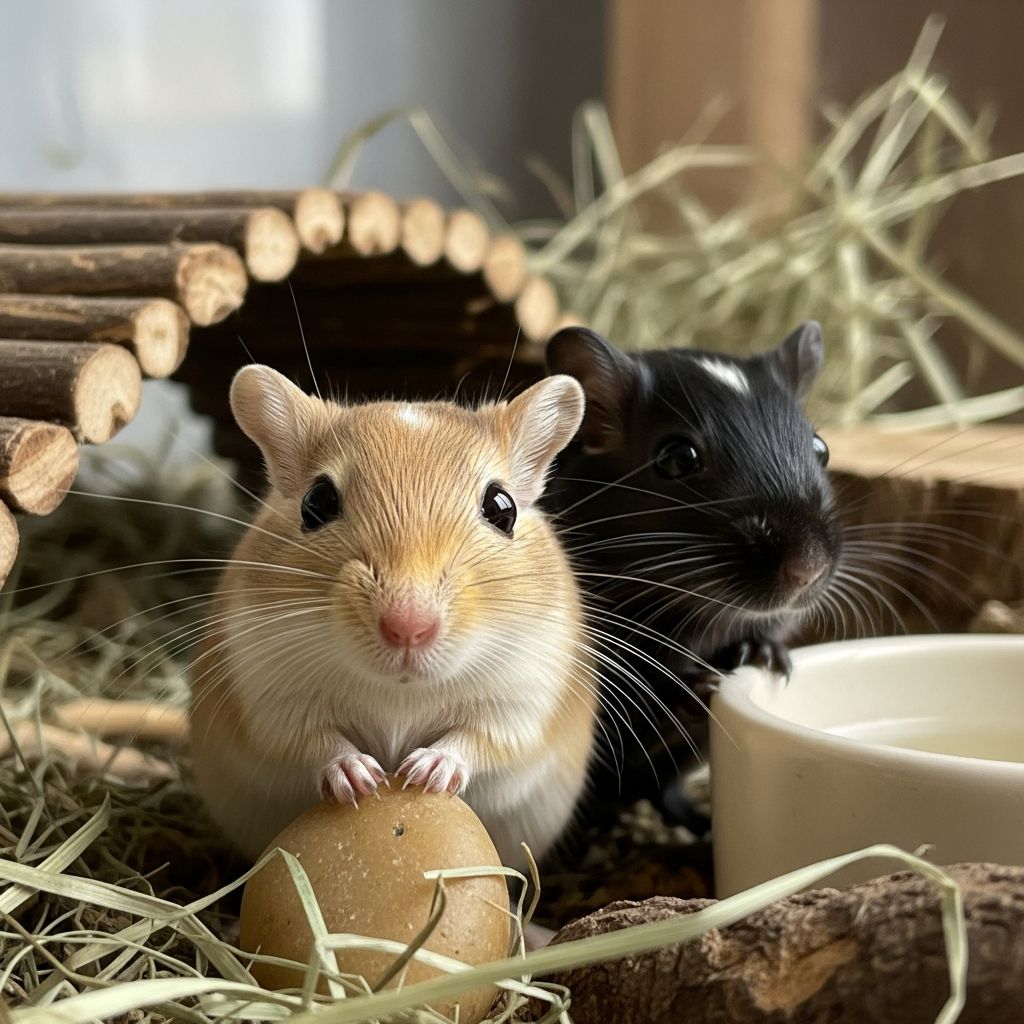
Gerbils have become increasingly popular as household pets due to their small size, entertaining behaviors, and relatively manageable care requirements. However, selecting the right gerbil involves more than simply picking one from a pet store. Prospective gerbil owners must understand what to look for in a healthy animal, how to assess the conditions where they are being kept, and what preparations are necessary before bringing a gerbil home. This comprehensive guide covers the essential considerations for anyone thinking about adding a gerbil to their family.
Understanding Gerbil Basics Before Selection
Before committing to gerbil ownership, it’s important to understand what these animals are and what they require. Gerbils are small rodents that naturally live in burrows and are active, curious creatures with specific environmental and social needs. Unlike some other small pets, gerbils are diurnal, meaning they are active during the day and sleep at night, making them potentially more interactive with daytime-active owners. They require consistent care, appropriate housing, proper nutrition, and regular veterinary attention. Understanding these fundamental requirements will help you determine whether a gerbil is the right pet for your household and lifestyle.
Identifying a Healthy Gerbil
When selecting a gerbil, evaluating the animal’s health status is paramount. There are several observable characteristics that indicate a gerbil is in good physical condition. A healthy gerbil should display specific features that can be assessed during your initial meeting with the animal.
Key Health Indicators
- Coat Appearance: The fur should be smooth, shiny, and well-groomed without any visible patches of hair loss, matting, or signs of poor condition. Dull or rough-looking fur can indicate malnutrition or underlying health problems.
- Eye and Nasal Clarity: The eyes should be bright, clear, and alert without discharge, crusting, or cloudiness. The nose should be clean with no signs of respiratory discharge or inflammation.
- Anal Area: This region should be clean and dry. Wet or soiled fur around the anus can indicate digestive issues or diarrhea.
- Dental Structure: The teeth should be straight, properly aligned, and not overgrown. The lower incisors should not protrude excessively, and the upper teeth should overlap the lower ones appropriately.
- Stool Quality: Observe whether any fecal material visible in the enclosure appears formed and firm rather than soft or watery.
- Activity Level: A healthy gerbil should be alert, active, and responsive to movement and sounds. Lethargy or excessive sleepiness during daytime hours may indicate illness.
- Body Condition: The gerbil should feel neither too thin nor overweight when gently held. You should be able to feel the spine without it being overly prominent.
Assessing the Source and Environment
Where you obtain your gerbil significantly impacts the likelihood of getting a healthy animal. The conditions in which gerbils are kept before purchase reveal much about their care and potential health status. Whether you choose a breeder, pet store, or rescue organization, evaluating the facility is crucial.
What to Look For at the Source
- Staff members should be knowledgeable about gerbil care and capable of handling the animals confidently and gently.
- Enclosures should be spacious and clean, with appropriate bedding, not cramped or filthy.
- Animals should have visible access to food and fresh water at all times.
- Enclosures should contain enrichment items and space for natural behaviors like burrowing.
- The facility should not smell strongly of ammonia, indicating poor sanitation and potential respiratory issues.
- Multiple animals should appear to coexist peacefully without obvious signs of fighting or stress.
- The staff should be willing to discuss the gerbil’s age, background, and any known health issues.
Understanding Gerbil Social Structures
One of the most important considerations when selecting a gerbil is understanding their social needs. Gerbils are highly social animals that live in family groups in nature. This social requirement has significant implications for ownership decisions.
Single Versus Paired Gerbils
Gerbils should ideally be housed in pairs or small groups rather than alone. A solitary gerbil may experience stress and loneliness, potentially leading to behavioral problems and reduced quality of life. When gerbils are raised together from a young age, they form strong social bonds and provide companionship and enrichment for one another. If you are considering gerbil ownership, selecting two animals that are already bonded or are young enough to bond is preferable to selecting a single gerbil.
If you are introducing gerbils that are unfamiliar with each other, this process requires careful management and patience. The introduction should be gradual, with the animals placed in separate enclosures initially so they can become accustomed to each other’s presence and scent before direct contact. This process can take several days to weeks depending on the animals’ temperaments.
Age Considerations
When selecting gerbils, choosing young animals that can grow up together is ideal. Young gerbils typically bond more easily and have longer lifespans ahead of them, allowing for more years of companionship. However, adopting adult gerbils from rescues is also a rewarding option if the animals are already socialized and compatible with each other.
Evaluating Different Gerbil Types
Several gerbil species exist, though the Mongolian gerbil is by far the most common pet variety. Understanding the differences among available types can help you select the most appropriate species for your situation.
Mongolian Gerbils
Mongolian gerbils are the standard pet gerbil and are well-suited to captive environments. They are hardy, interactive, and available from most reputable breeders and some pet stores. Their care requirements are well-documented, and veterinary information is readily available.
Fat-Tailed Dwarfs
Fat-tailed dwarfs are smaller than Mongolian gerbils and have distinctive thick tails that store fat reserves. These animals can be more challenging to handle and may be less suitable for novice owners. They also have more specialized care requirements that may be less well-known among general veterinarians.
Coloration Variations
Within Mongolian gerbils, various color morphs exist, including standard agouti, black, white, and spotted patterns. While these variations are primarily aesthetic, extremely pale or pure white gerbils may have increased likelihood of hearing or vision problems. Selecting a gerbil with standard coloration can reduce the likelihood of inherited sensory issues.
Gender Selection and Considerations
Choosing whether to select male or female gerbils depends on several factors. Both males and females can make excellent pets, though some differences exist in their behaviors and care requirements.
Males Versus Females
Male gerbils are often slightly larger and may be somewhat more aggressive toward unfamiliar males, though animals raised together typically coexist peacefully. Female gerbils may experience hormonal cycles that can affect behavior. Both sexes should be neutered or spayed if they are not part of a breeding program, as this improves temperament and reduces behavioral issues. Mixed-sex pairs should always be spayed and neutered to prevent unwanted breeding.
Preparing for Gerbil Ownership
Before bringing your selected gerbil home, proper preparation of your household and purchasing of necessary supplies is essential. This preparation ensures a smooth transition and demonstrates your commitment to providing appropriate care.
Essential Supplies and Setup
- Appropriate Housing: Gerbils require spacious enclosures with multiple levels and ample depth for burrowing. Aquariums with secure mesh tops or large glass tanks work well, as they allow for appropriate bedding depth.
- Bedding Material: Paper-based bedding or shredded paper provides safe, absorbent substrate. Avoid cedar and pine, which are toxic to gerbils. Plan for 6-7 inches of bedding depth to allow burrowing.
- Enrichment Items: Tunnels, wooden chews, hideouts, nesting boxes, and toys keep gerbils mentally stimulated and support natural behaviors. These items are essential for long-term welfare and behavioral health.
- Water and Food Containers: Provide glass or metal water bottles and earthenware or stainless steel food dishes. Avoid plastic, which gerbils may chew and damage.
- Sand Bath Supplies: Gerbils use sand baths for grooming and enrichment. A shallow container filled with appropriate bathing sand should be available regularly.
- Hay: Timothy hay or orchard grass should be available for playing, nibbling, and roughage consumption.
- Veterinary Access: Before bringing home your gerbil, identify a veterinarian experienced with small rodents and schedule an initial wellness exam.
Health Screening and Veterinary Considerations
Bringing your newly selected gerbil to a veterinarian for an initial examination is highly recommended. A veterinary professional can confirm the animal’s age, evaluate overall health status, screen for any underlying conditions, and provide guidance on appropriate care. This initial visit establishes a relationship with your veterinarian and documents your gerbil’s baseline health, making future comparisons easier if health concerns arise.
Gerbils should receive annual veterinary examinations throughout their lives to monitor health, address any emerging issues, and ensure optimal care. Common health problems in gerbils include dental disease, respiratory infections, tumors, and abscesses. Regular veterinary care can catch these problems early when treatment is most effective.
Frequently Asked Questions About Gerbil Selection
What is the typical lifespan of a pet gerbil?
Healthy gerbils typically live between 3-4 years in captivity, with some individuals living into their fifth year. Proper care, appropriate diet, regular exercise, and veterinary attention support longevity and quality of life.
Can a single gerbil survive alone?
While a single gerbil can technically survive alone, this is not ideal. Gerbils are social animals that benefit significantly from companionship. A solitary gerbil may experience stress, develop behavioral problems, and have a reduced quality of life compared to a gerbil with social companions.
How much does a gerbil typically cost?
The purchase price of a gerbil varies depending on the source. Gerbils from pet stores typically cost $20-$50, while those from breeders may cost $20-$100. Adoption from rescues may cost $5-$25. Additional costs for housing, supplies, food, and veterinary care should be budgeted for throughout the animal’s lifetime.
Are gerbils good pets for children?
Gerbils can be good pets for older children who can handle them gently and responsibly. Young children may struggle with the gerbil’s fragility and quick movements. Adult supervision is always recommended when children interact with gerbils.
What should I do if I’m allergic to gerbils?
Gerbil allergies can develop in some individuals. If you suspect an allergy, consult with an allergist before committing to gerbil ownership. Maintaining excellent enclosure cleanliness and ensuring adequate ventilation can reduce allergen levels in the home.
Making Your Final Decision
Selecting a gerbil is a decision that should be made thoughtfully and deliberately. Take time to observe the animals available to you, ask questions of the staff or breeder, and ensure that gerbil ownership fits your lifestyle and capabilities. Remember that gerbils are living creatures that depend entirely on their owners for appropriate care, nutrition, housing, and veterinary attention. By carefully selecting healthy, well-socialized animals and preparing your home appropriately, you set the foundation for many years of rewarding companionship with these fascinating small rodents.
References
- Gerbil Care Guide: Habitat, Diet, and Daily Care — PetMD. 2024. https://www.petmd.com/exotic/gerbil-care-sheet
- Caring for Your Pet Gerbil — Blue Cross UK. https://www.bluecross.org.uk/advice/gerbil/caring-for-your-gerbil
- Keeping Gerbils as Pets — RSPCA. https://www.rspca.org.uk/adviceandwelfare/pets/rodents/gerbils
- Gerbil Care Sheet & Supplies — PetSmart Learning Center. https://www.petsmart.com/learning-center/small-pet-care/gerbil-care-guide/A0333.html
- Gerbil Care — Animal Humane Society. https://www.animalhumanesociety.org/resource/gerbil-care
Similar Articles








Read full bio of medha deb